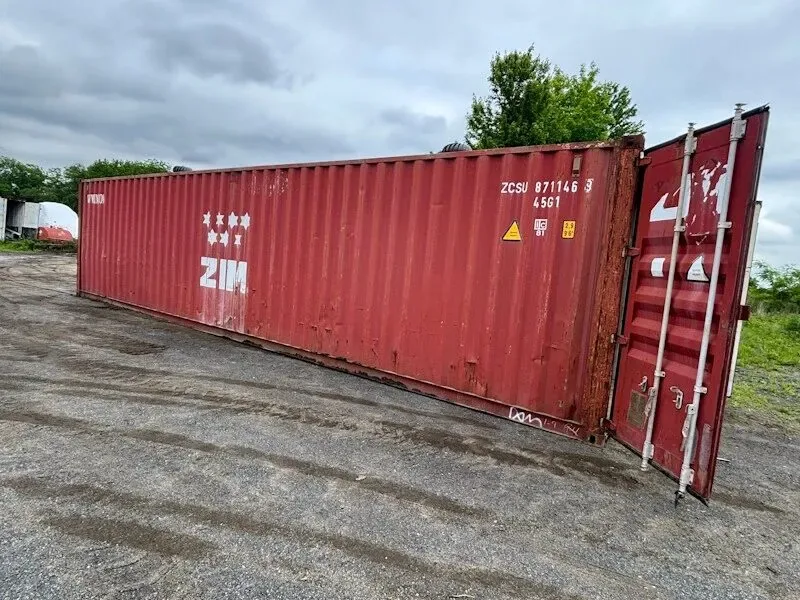
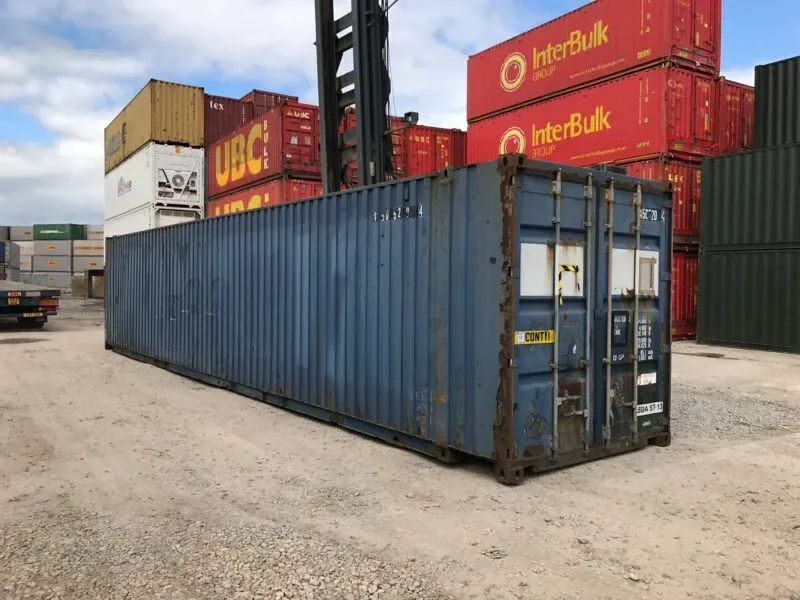
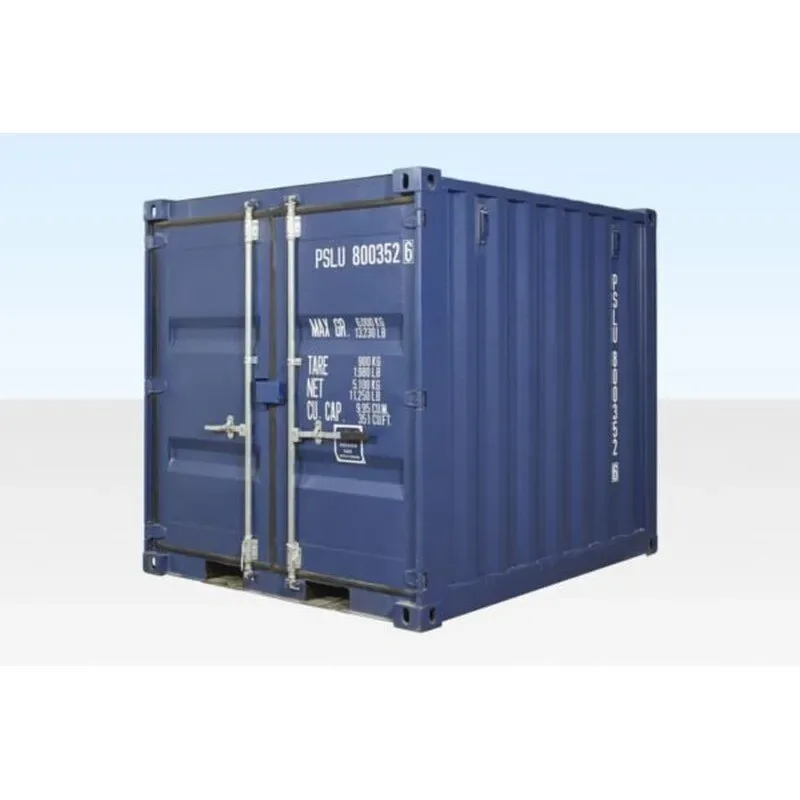
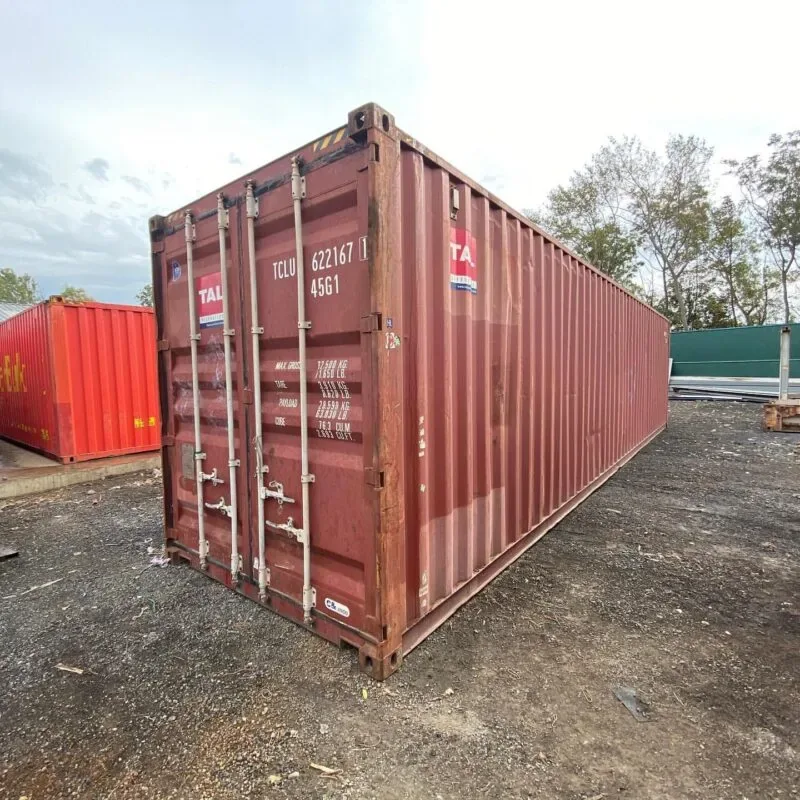
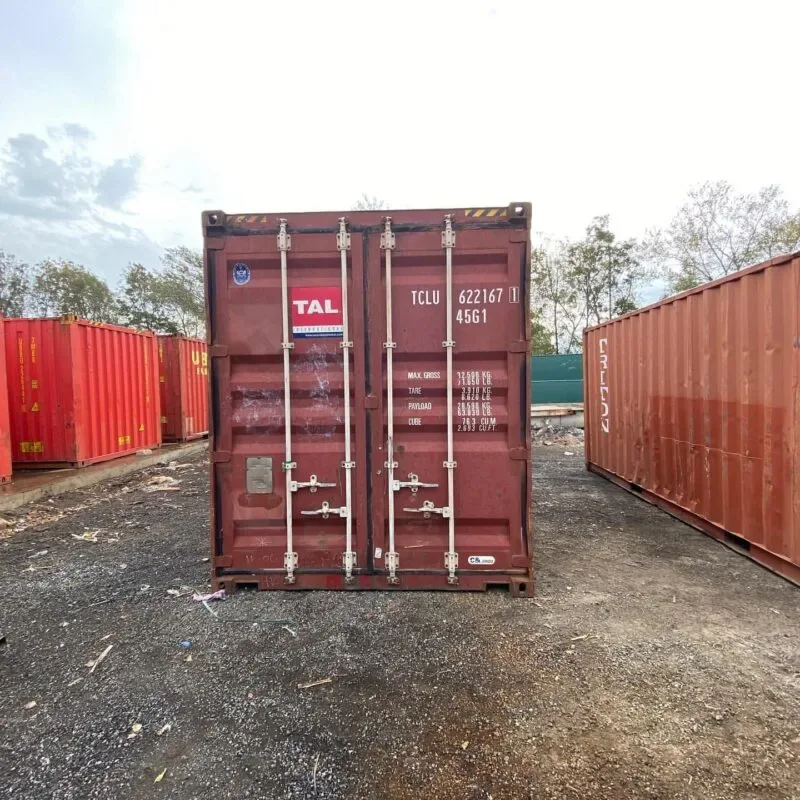
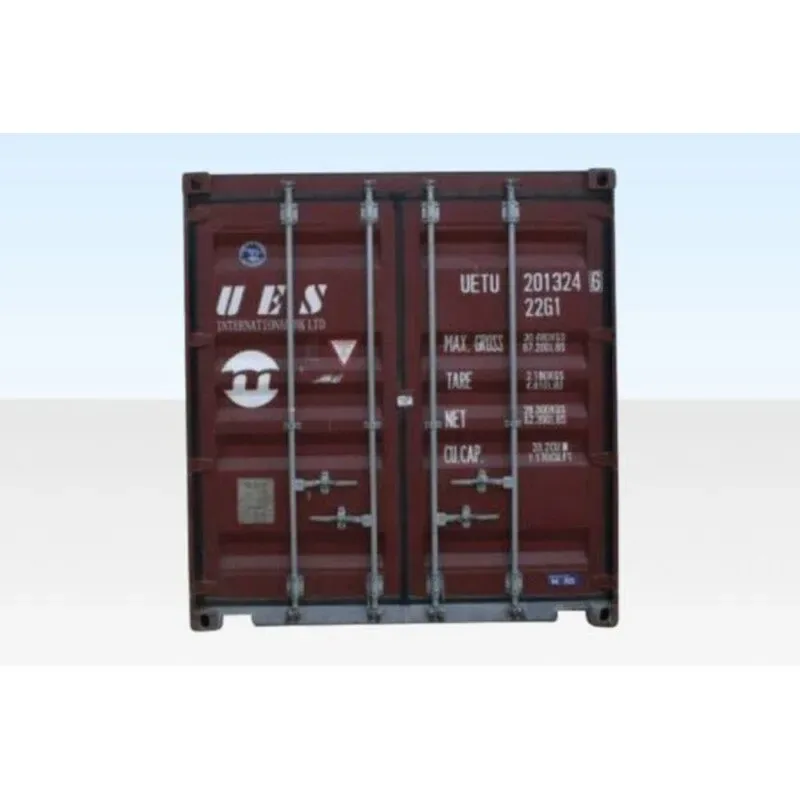
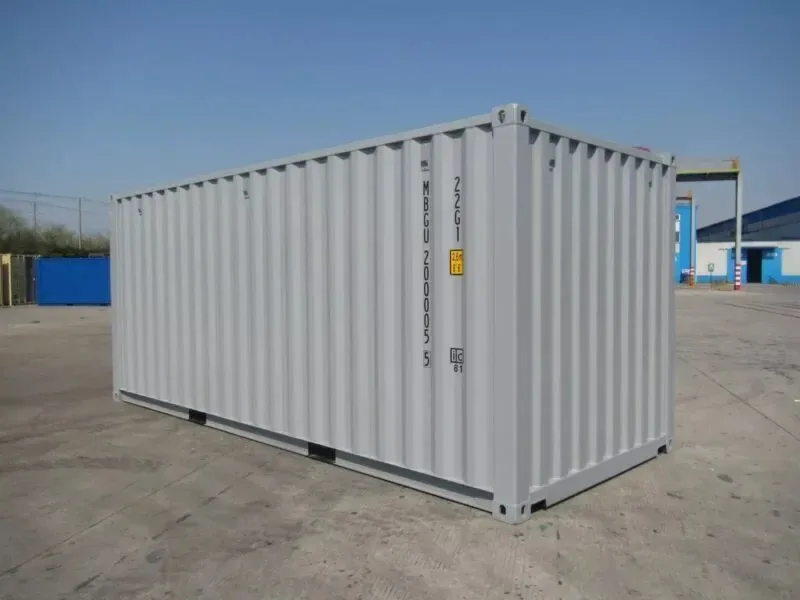
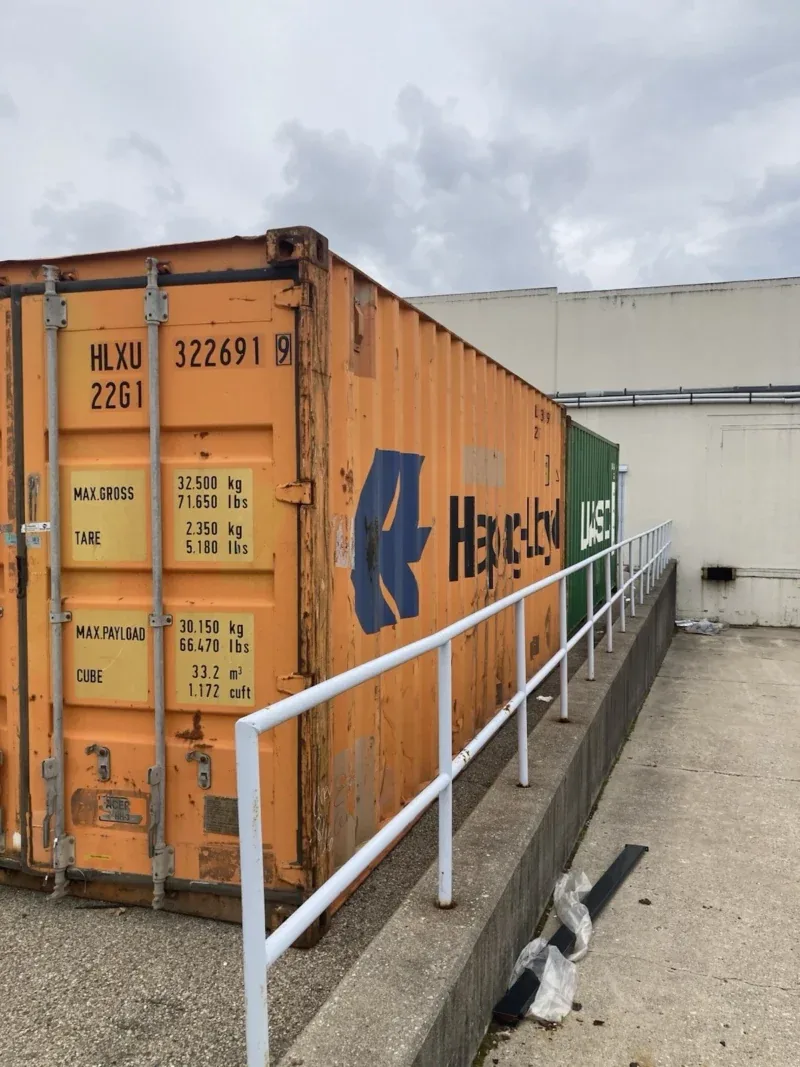
Side by side
| Spec | 20 ft | 40 ft |
|---|---|---|
| Outside length | 20 ft | 40 ft |
| Width | 8 ft | 8 ft |
| Height, standard | 8 ft 6 in | 8 ft 6 in |
| Height, high cube | 9 ft 6 in | 9 ft 6 in |
| Floor area, inside | about 150 sq ft | about 300 sq ft |
| Doors | one set of full-width doors at one end | one set of full-width doors at one end |
| Straight clear run for tilt-bed delivery | about 75 ft | about 110 ft |
| Overhead clearance needed | 14 ft | 14 ft |
| Suits | tools, one crew's materials, a tight lot | a house move, stock, a farm season, an open lot |
What each one actually holds
A 20 ft takes a garage's worth of tools and stock, one crew's materials for a job, or a small farm's feed and seed — with an aisle down the middle so you can reach the back. It is the size most buyers start with, and the one that fits a driveway you can actually clear.
A 40 ft takes a whole house move, a shop's inventory, or a season of hay without stacking to the roof. It is roughly double the floor of a 20 ft and it will fill up faster than people expect. If you are honest with yourself that the load is a truck-and-a-half, not a pickup, this is the box.
Delivery is where the two really part
A tilt-bed sets a container down by tipping its bed and letting the unit slide off the back. That needs a straight, clear run on firm, dry ground: about 75 ft for a 20 ft and about 110 ft for a 40 ft, with 14 ft of overhead clearance on both.
That run is what people underestimate. Low wires, tree limbs, a fence post at the corner of the drive, a car parked where the truck needs to be — any of them can stop a 40 ft that looked easy on paper. Measure the run before you choose the length, not after. A 40 ft that has to be left at the street is a worse buy than a 20 ft that lands where you want it.
Delivery is priced to your ZIP and shown in writing on the invoice before anything is paid. Nothing is charged on the site — you get an invoice first, then pay by ACH or wire, Zelle or a card payment link. Dispatch runs 2-5 business days after payment clears. See delivery for the transit window for your state.
Two 20s or one 40?
Worth pricing both ways. Two 20 ft units give you two doors and two padlocks, so you can split stock, tools and anything you do not want mixed. They can sit at different ends of a property, one can be sold or moved later without emptying the other, and each is a shorter, easier drop.
One 40 ft is a single move, a single placement and a single unit to keep level and sealed, and it uses less ground than two 20s standing apart. If everything lives in one place and the access is good, one 40 is the simpler buy. If access is tight or the load splits naturally, two 20s win.
Lot size, ground and setbacks
The footprint is 160 sq ft for a 20 ft and 320 sq ft for a 40 ft, plus room to walk and swing doors. Look at where it will sit against fence lines, wells, septic fields and overhead service lines before you commit — local planning sets the setbacks, and the footprint is often what triggers a conversation with them, so check before you buy the longer box. Our FAQ covers the ordering side, and the buyer's guide goes through sizes and grades.
On grade: one-trip, cargo-worthy and wind and watertight are available in both lengths, so the size question is separate from the condition question. A used 40 ft wind and watertight box is a different purchase from a one-trip 20 ft, and both are on the lot.
Choose a 20 ft if…
- your straight run is under about 110 ft, or the driveway has a bend, a gate or low wires in it
- the load is tools, one crew's materials or stock for a single site
- you may want to move it later with a smaller trailer
- you want two separate lockable spaces rather than one long one
Choose a 40 ft if…
- you have a clear run of about 110 ft and 14 ft of overhead clearance
- you are storing a house move, a season of crop, or inventory that arrives by the pallet
- you want one drop, one door and one unit to maintain
- you need the height — a 40 ft high cube gives 9 ft 6 in and takes racking or a mezzanine
Still torn? Ask for a delivered figure on both to your ZIP. Seeing the two lines next to each other, with the truck cost included, usually settles it in a minute.