Side by side
The tank itself is the small part of the decision. What you are really choosing is who controls the fuel supply for the next ten or twenty years.
| Lease from a dealer | Buy your own | |
|---|---|---|
| Who owns the tank | The propane dealer | You |
| Who can fill it | The owning dealer, or another company it authorises in writing | Any supplier that fills customer-owned tanks |
| What switching suppliers involves | The old dealer removes its tank and the new one sets its own, usually on the same day if it is planned | The new supplier checks the system and makes the first delivery |
| Up front | Tank supplied with the account; the cost sits in the fuel price, an annual rent, or both | Tank, delivery, setting, piping and regulator, permit, and the first fill |
| Minimum use and rent | Common: a minimum annual gallonage, with rent or a minimum-use charge if you fall under it | None from any supplier; use as little as you like |
| Repairs to the tank | The dealer's, on the tank itself | Yours: paint, valves, fittings, regulator |
| When you sell the house | The supplier has to approve the buyer or transfer the lease, or the tank comes out | The tank can convey with the property if the sale documents say so |
| If you want it gone | The dealer takes its tank back, on its schedule | You sell it, keep it, or move it to the next place |
The lease is a fuel contract wearing a tank
Dealers supply tanks because a tank on your property is a customer for a decade. That is not a trick — it is the deal. The tank arrives sized, set, connected and maintained, often at little or nothing up front, and in return you buy your gas from that company.
What people miss is how much of the deal is in the paperwork rather than the tank. Before you sign, get these in writing:
- The minimum annual gallons, and what the charge is if you do not burn them.
- Any annual tank rent, and whether it is waived above a certain usage.
- Whether delivery is automatic or will-call, and how much notice a will-call fill needs in January.
- What happens to the propane already in the tank if you leave — credited, bought back, at what price, or pumped out.
- The removal fee, and who pays it.
- Whether the lease transfers if you sell the house, and whether the buyer has to be approved.
None of those terms is unusual, but they are the terms that decide whether the lease was cheap. A tank with no rent and a hard minimum in a mild climate is a different deal from the same tank in a cold one.
What owning actually puts on you
Buying the tank buys the tank. It does not buy the rest of the system, and the rest of the system is where the work is.
A tank on a pad is only the storage. Between it and the appliances you need the regulator, the pigtail, the shutoffs, the line into the house, and a leak test on the whole run before anything is filled. Setting, connecting and filling are the work of a licensed propane provider — that is not a job to take on yourself, and most suppliers will not sell gas into a system an unlicensed hand put together.
On top of that, as the owner you are the one who:
- Gets the pad right and keeps the truck's approach clear on fill day. A 500 gallon tank needs a firm, level base and room for the hose.
- Handles the permit and inspection. Requirements are local, and the provider usually knows what your county or town wants — confirm who is filing before the tank arrives.
- Maintains the tank: rust and paint, the relief valve, the fittings, the regulator when it fails.
- Arranges the fill, or arranges automatic delivery with a supplier who offers it.
- Tells the insurer. A tank you own is an improvement on the property and belongs on the policy.
There is one more thing to check before you hand over money for a tank, and it catches people out: not every dealer fills customer-owned tanks. Some will not; others set a minimum fill or price customer-owned gas differently from their own tanks. Call two or three providers within delivery range, give them the tank size and what it will feed, and ask whether they fill customer-owned tanks and on what terms. Do that before you buy, not after it lands on the pad.
Above ground or buried changes the arithmetic
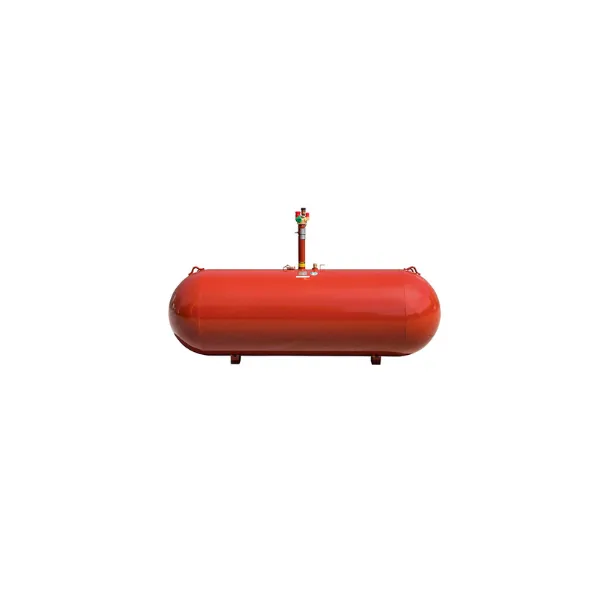
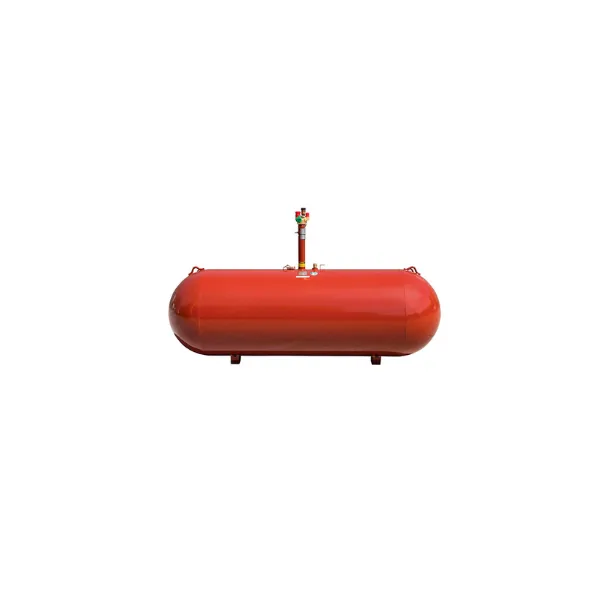
An above-ground tank is set on a pad, inspected, and can be lifted off again in an afternoon. A buried tank is a different commitment: excavation, an anode bag or impressed-current protection to fight corrosion, and a backfill that has to be done right. If there is any chance you will switch suppliers or move the tank, above ground keeps that option open. Both above-ground and underground ASME tanks are listed separately on the propane tank page.
Leases exist for buried tanks too, and the exit is the sore point: pulling a buried tank out is a dig, and whoever owns it decides when.
Sizing does not change, only who does it
Whether you lease or buy, the tank has to vaporize enough propane on the coldest morning to feed everything running at once, and hold enough gallons to make it between fills. On a lease the dealer sizes it — that is part of what you are paying for. Buying, you size it with the provider who will set it, using your appliance list and your winter usage.
Two numbers decide nearly every residential job: peak BTU/hr from the appliances, and gallons burned in a season. Most houses land between 250 and 1,000 gallons, and the tank is filled to about 80% of water capacity — a 500 gallon tank holds roughly 400 gallons. The propane section of the buyer's guide goes through the sizing in more detail, and it is worth reading before you commit to a tank you will own for twenty years.
Cylinders are a separate question
If what you need is a 100 lb cylinder for a grill, a heater or a food truck, none of the above applies in the same way. DOT cylinders up to 420 lb are portable: you take them to a station to be refilled, they carry a requalification date stamped on the collar, and they have to be requalified on the schedule the regulations set. An ASME tank stays where it is put and is filled on site. Buying cylinders outright is routine — the lease question only really bites on the stationary tanks.
If you are leasing now and want out
Do it in this order and the house does not go cold.
- Confirm who owns the tank. A company name or label on the tank, or the closing documents from when you bought the house, will say.
- Read the agreement for the minimum use, the notice period, the removal fee, and what happens to the gas in the tank.
- Ask the current dealer, in writing, what it will charge to remove the tank and when it can do it.
- Line up the new supplier first, and get a date for the new tank to be set before the old one is collected.
- Have the new provider inspect and test the system before the first fill, whether the tank is new or used.
Buying the tank you are already leasing is sometimes possible. Ask the dealer for a written price and a bill of sale, and get the data plate details on the paperwork — tank size, working pressure, and the year it was built.
Buying a tank from the lot
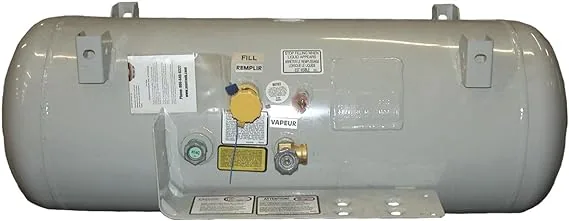
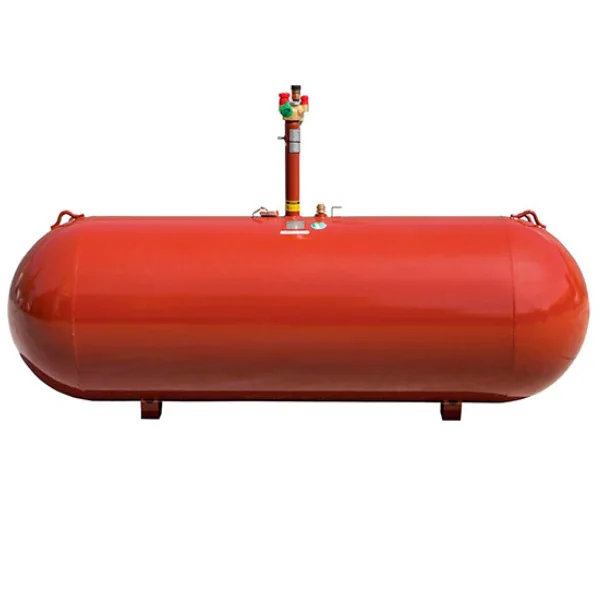
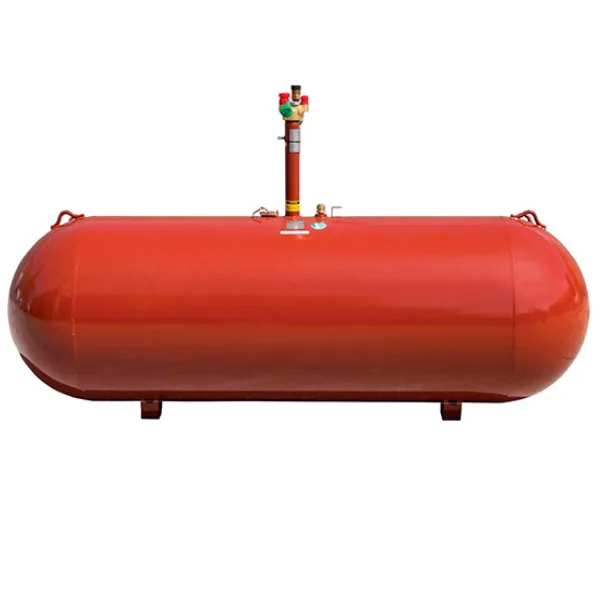
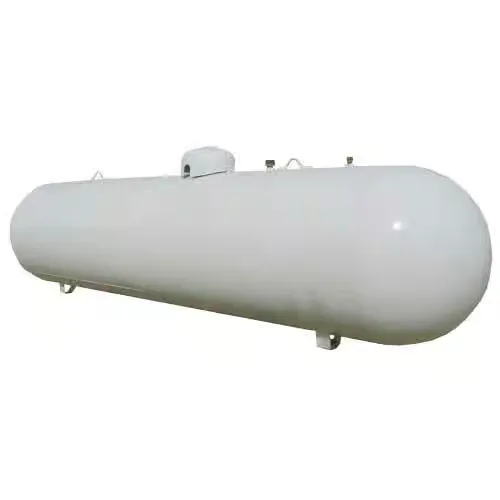
We stock new ASME tanks from 57 up to 2,000 gallons, above ground and buried, listed with photographs and a price in dollars on the propane tank page. Tanks ship empty, and nothing goes in one until a licensed propane provider sets it, connects it and fills it on site.
Delivery runs across the contiguous US from the lot in Concord, NC, quoted to your ZIP and written on the invoice before anything is paid. Nothing is charged on the website: you get an invoice first, then pay by ACH or wire, Zelle or a card link. Dispatch is 2 to 5 business days after payment clears, orders can be cancelled at no cost before dispatch, and pick-up at the lot is free if you are close enough to collect it. The delivery page explains the access a tank delivery needs, and payment methods covers the rest.
Have the provider lined up before the tank arrives. The tank is the easy part; the set, the connection and the first fill are the appointments that set the date.
Choose the lease if…
- You want one company to own the tank, size it, set it, maintain it and fill it.
- Your usage is steady and high enough that a minimum gallonage never bites.
- You are not planning to shop around for fuel, or you are not going to be in the house long.
- You would rather not carry the tank on your insurance or deal with the pad, the permit and the regulator.
Choose to buy if…
- You intend to compare fuel prices and switch suppliers when one gets expensive.
- You burn a lot — a big house, a shop, a standby generator — and the freedom to shop is worth real money each year.
- You want the tank to stay with the property, or to move with you.
- You would rather handle the upkeep yourself and know exactly what is on your land.