What each one actually is
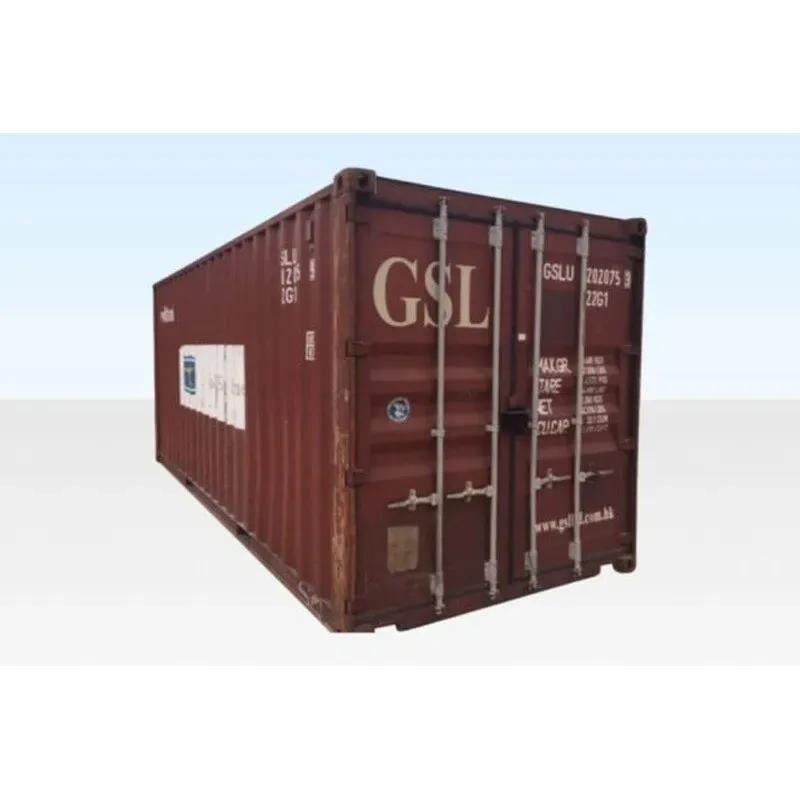
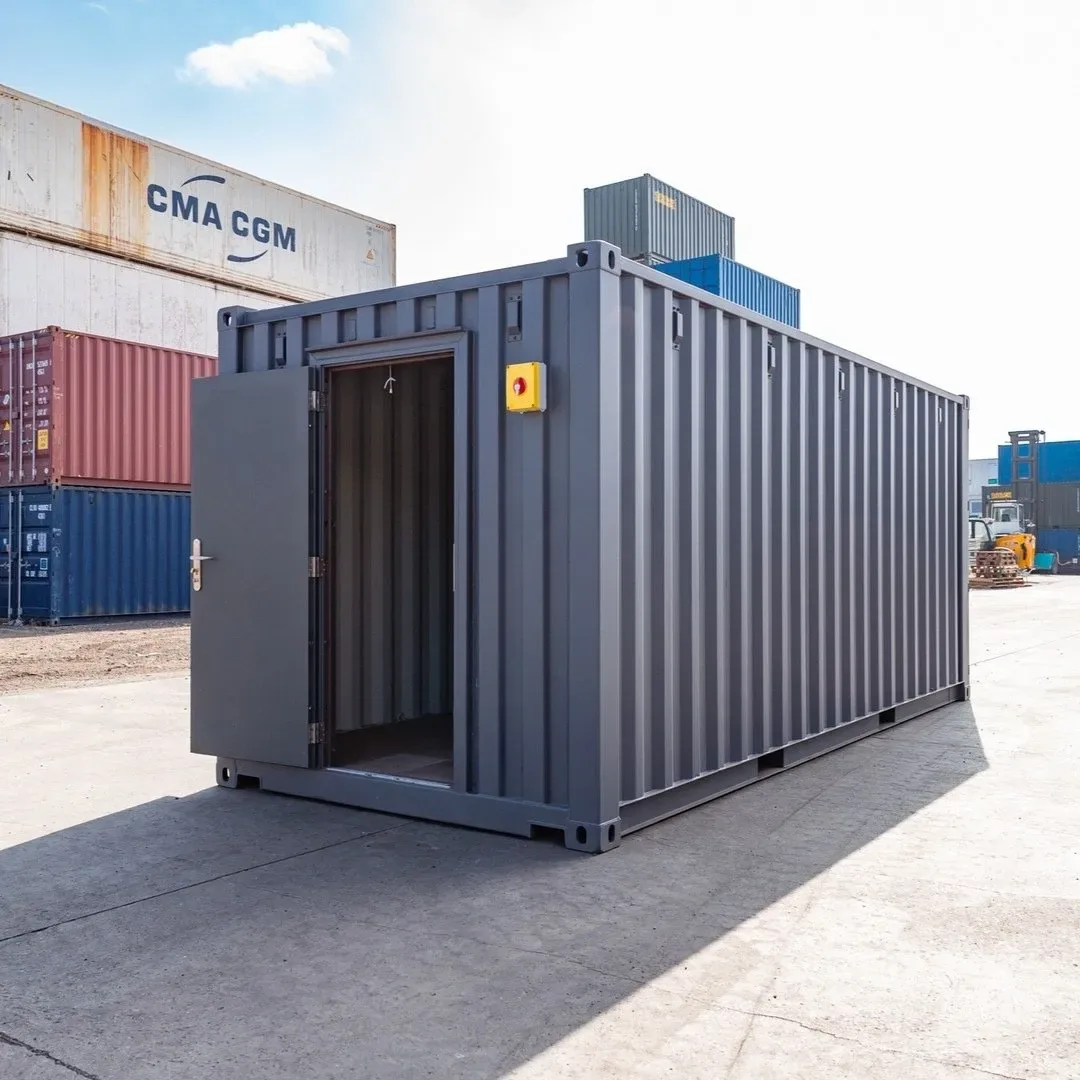
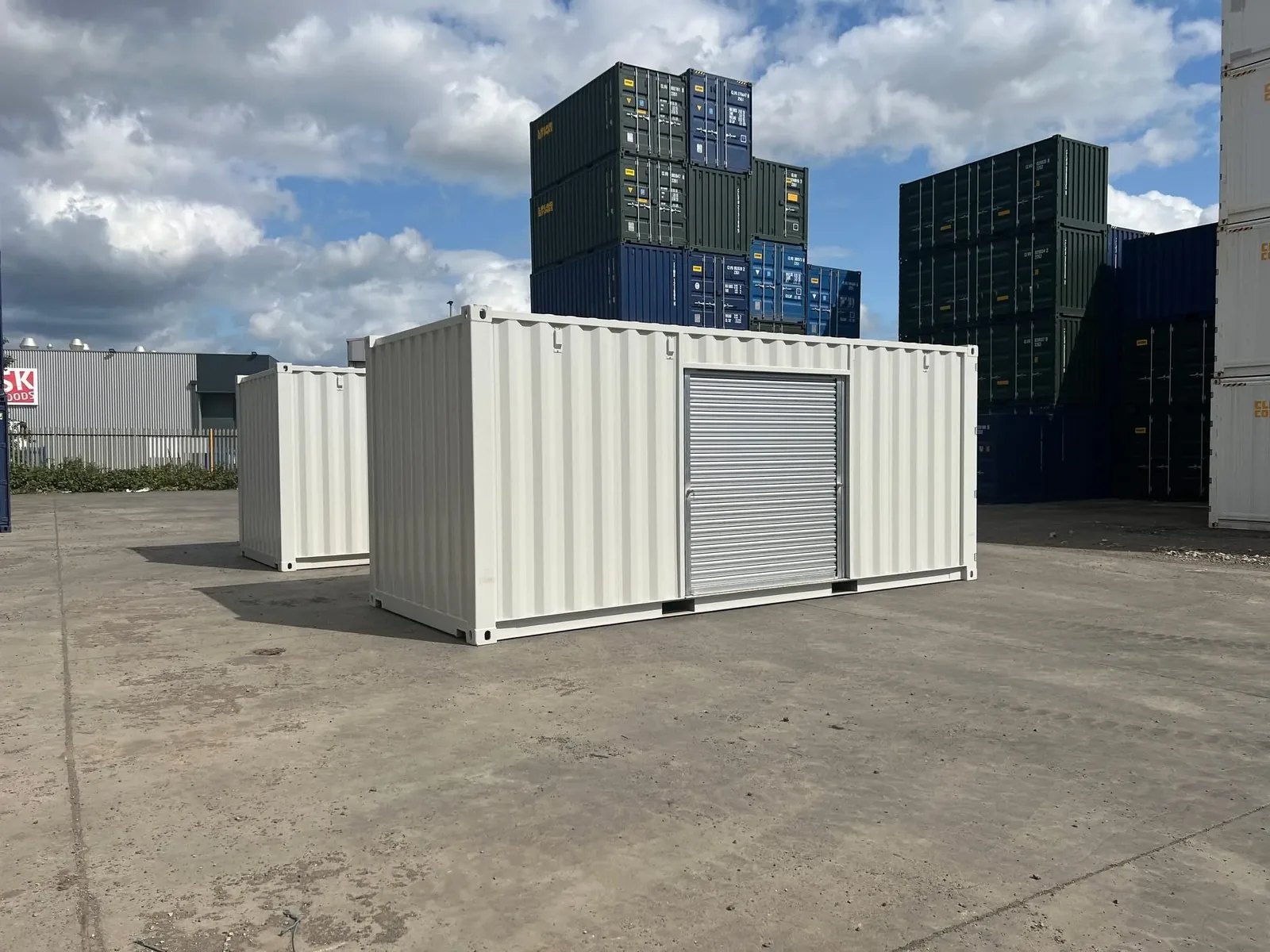
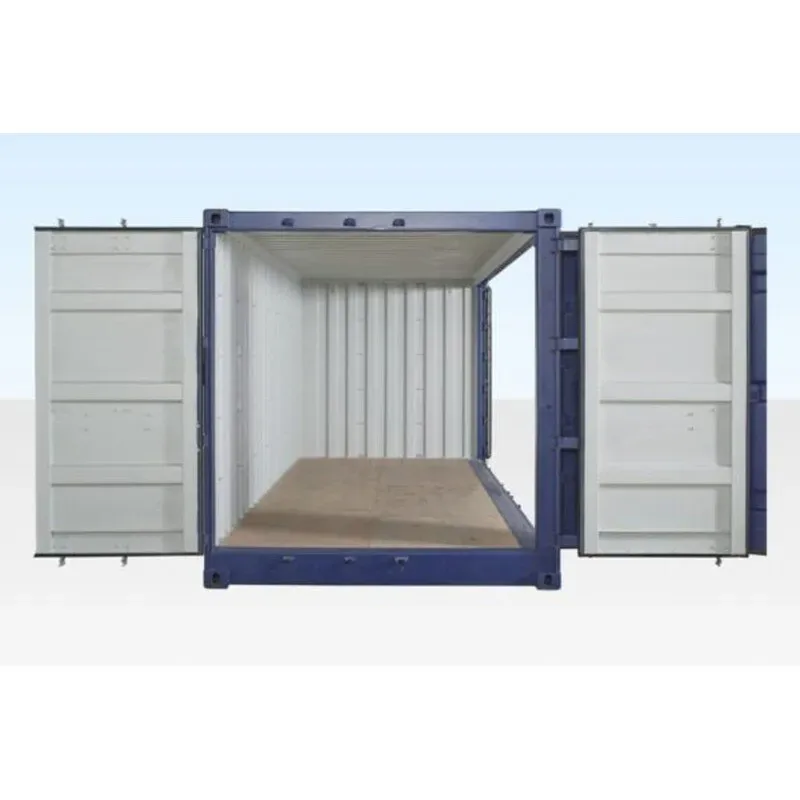
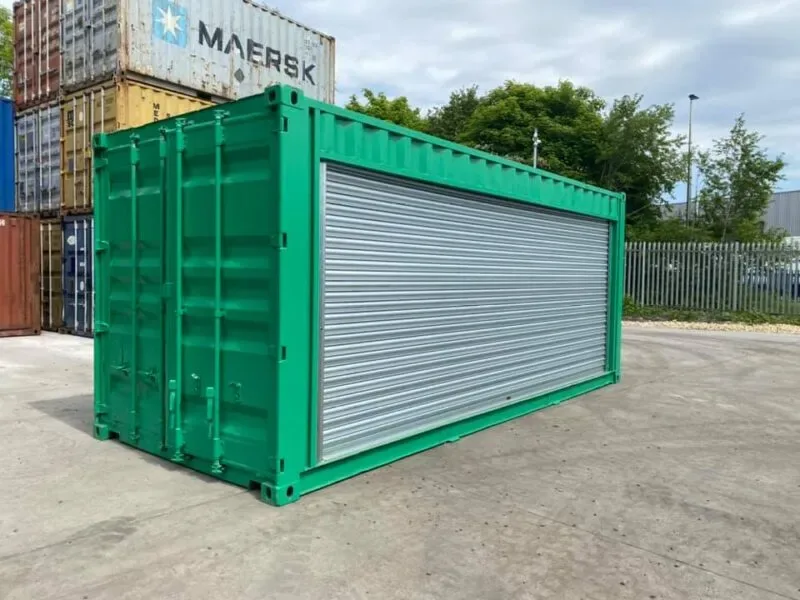
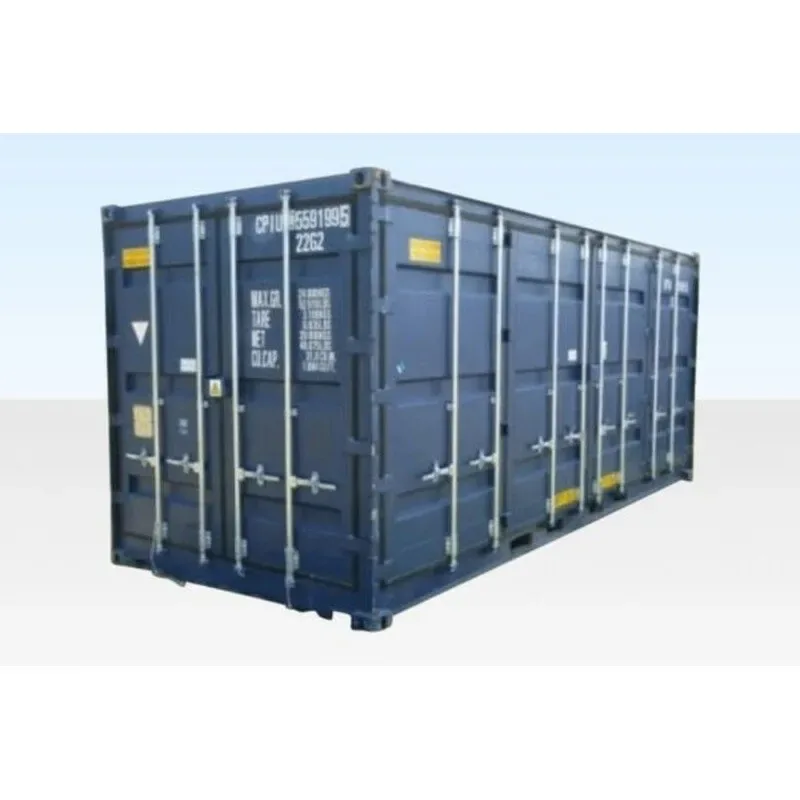
A container office starts life as a shipping container and is converted: personnel door cut into the side, windows with security shutters, insulation and lining, power, phone and data, air conditioning. Standard containers are 8 ft wide and 8 ft 6 in tall, high cubes 9 ft 6 in tall, and offices are built mostly from 10, 20 and 40 ft units. It travels as freight on a tilt-bed, not on its own wheels.
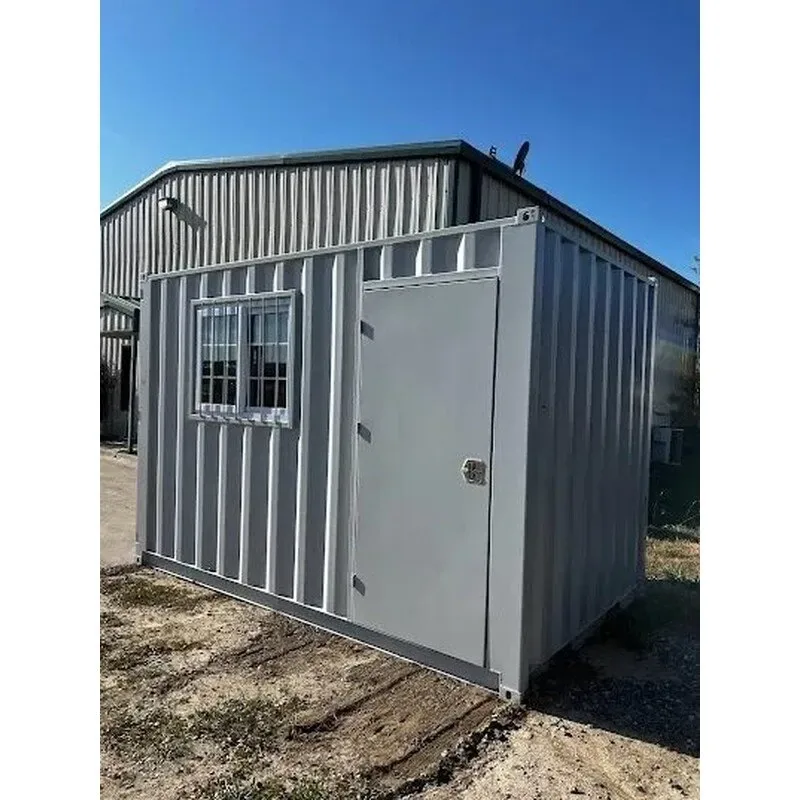
An office trailer is a towable building with a steel chassis, axles, brakes and a hitch, built to be pulled down the highway. The floor sits above the frame, so the door needs steps. A jackleg cabin is the near relation on our lot: same boxy insulated room, but no axles — it arrives on a truck, gets lifted onto adjustable legs and levelled where it stands.
Plainly: nothing on our lot has axles and a hitch. We sell container offices and jackleg site cabins, both of which arrive by truck and get set down. The comparison below covers all three, so you can see which trade-off you are taking.
Side by side
| What you compare | Container office | Office trailer or site cabin |
|---|---|---|
| How it sits | At ground level on a prepared base — timber bearers, blocks or a pad, weight on the corner castings | Up on a chassis and axles, or up on adjustable jacklegs |
| The door | At grade. A ramp handles wheeled access and trolleys | Steps up, because the floor is above the ground |
| Getting it there | Tilt-bed for a 20 ft, crane with the truck for a 40 ft | Towed on its own wheels, or delivered and set on legs |
| Security | Corrugated steel sides, welded steel frame, reinforced steel doors with a secure lock, shutters over the windows | Lighter steel-skinned panels, fixed glazing, plasterboard lining |
| Weather | Watertight steel shell, but bare steel sweats — insulation, linings and ventilation or HVAC are the fix | Insulated as built, with a timed panel heater and double glazing on our cabins |
| Footprint | 8 ft wide, 10 to 45 ft long, and stackable | Often 10 ft wide, so more floor area per foot of length |
| Ground prep | Firm, level ground and a straight clear run for the truck | Jacklegs take up fall on uneven ground; a trailer needs firm, dry ground under the wheels |
| Best at | Staying put, staying secure, adding units later | Moving when the job moves, or a wider finished room on day one |
Security is the biggest difference
Both are lockable. Only one of them shrugs off a determined attempt with hand tools. A container office is a welded steel box with corrugated sides and reinforced steel doors; a thief needs power tools, time and noise. Window openings get heavy-duty shutters, and the steel shell keeps vermin out. A trailer or cabin is built for light weight and a low axle load, so the walls are thinner panels over a frame, with fixed glazing and a plasterboard-lined interior. That is a fine building on a fenced site with people on it. It is the wrong building on an unfenced site, overnight, with plant and tools inside.
Weather and comfort
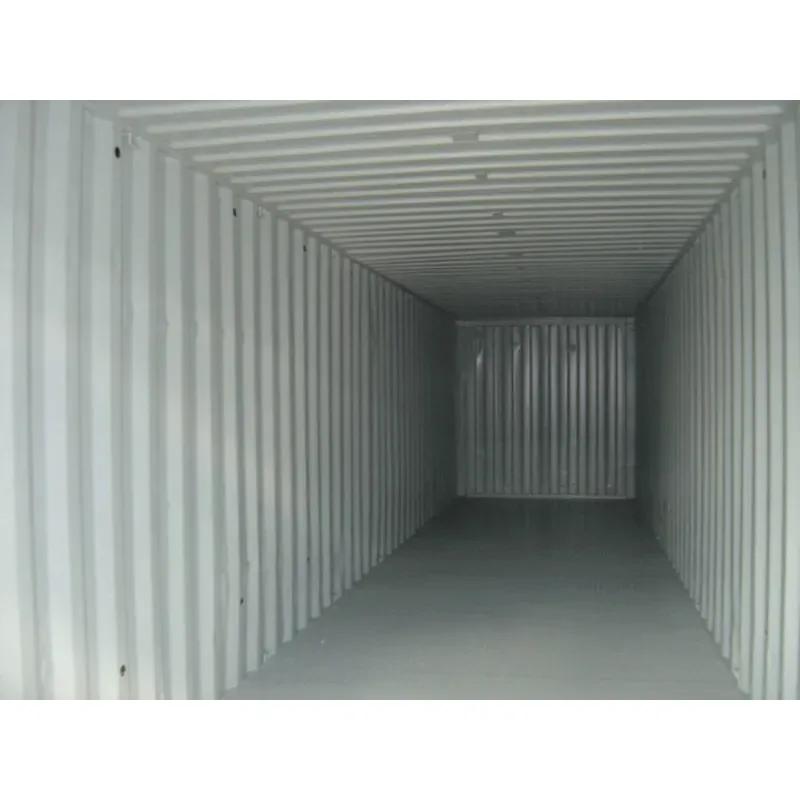
Steel is watertight, not comfortable. An unlined container office condenses on the underside of the roof when the outside temperature drops, and that moisture lands on whatever is underneath. Insulation, a lined ceiling and either ventilation or air conditioning deal with it — decide that before you order rather than after the first cold week. A cabin comes insulated with a heater and double-glazed windows as standard, so it is warm from the day it lands. In full summer sun, a steel roof wants shade or air conditioning; both types get hot without it.
Moving it between sites
This is where the trailer earns its keep. An office trailer hooks up behind a rated truck and goes — no crane booking, no wait for a tilt-bed. The catch is that the running gear becomes yours to maintain: tyres, bearings, brakes, lights, and the towing rules that come with them on public roads.
A container office moves on a truck every time. A 20 ft needs about 75 ft of straight clear run and a 40 ft about 110 ft, with 14 ft of overhead clearance and firm, dry ground. Each move is a booking and a freight cost. On the other hand, a container takes being lifted and set down again and again — that is what it was built for — and it goes onto the same truck as your other containers if you are moving a whole site.
A jackleg cabin sits between the two. It travels by truck like a container, but because it stands on adjustable legs it does not need a level pad poured for it, and repositioning it across a site is quick. Its panels and glazing are the fragile part on a move, not the frame.
Delivery day, either way
Delivery is priced to your ZIP and shown in writing on the invoice before anything is paid. Dispatch runs 2 to 5 business days after payment clears. Pick-up at the lot in Concord, NC is free, and you can book a time to inspect the unit before it ships. Whichever unit you pick, the driver needs a straight approach, a gate wide enough to take the load, overhead clearance and firm, dry ground to set down on. Send a photo of the ground and the approach and we will tell you what the truck needs.
Choose the container office if…
- the unit will stay in one place for a season or years
- the site is unattended overnight and tools, plant or paperwork are inside
- you want ground-level entry, or a ramp instead of steps
- you may stack it, or add a second unit alongside later
- you want the unit to double as secure storage when the office moves on
Choose the office trailer or site cabin if…
- it has to move every few weeks and you want to tow it yourself
- the ground is uneven and you would rather not build a level base
- you want the wider 10 ft room instead of an 8 ft container
- you want heating, double glazing and a finished interior on arrival, not after a fit-out
Browse the built offices on the lot at modified and office containers and the jackleg cabins at cabins and site offices, or start from Offices & Cabins. The buyer's guide covers sizes, grades and site prep, delivery sets out the truck and access requirements, and contact gets you a delivered quote.