Three grade names come up on every container lot, and buyers mix them up. They are not the same question. One-trip and cargo-worthy are about a container's condition as equipment. Wind and watertight is about whether it keeps the weather out when it sits still.
The three grades we list
We sell containers in these grades. There is no fourth rung, and we do not use grades from other trades as if they meant the same thing.
| Grade | What it means | Typical state |
|---|---|---|
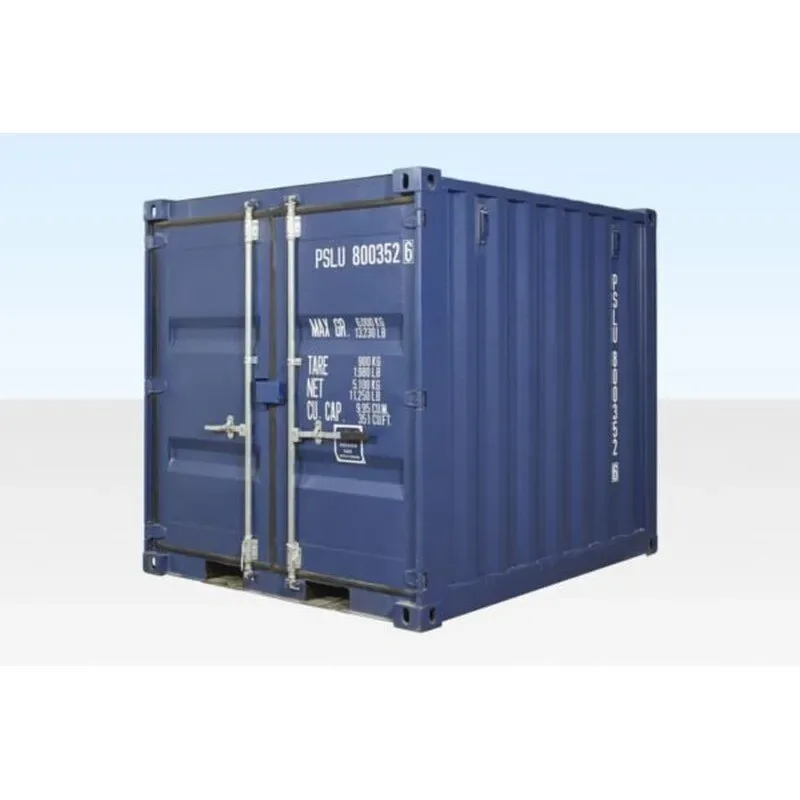
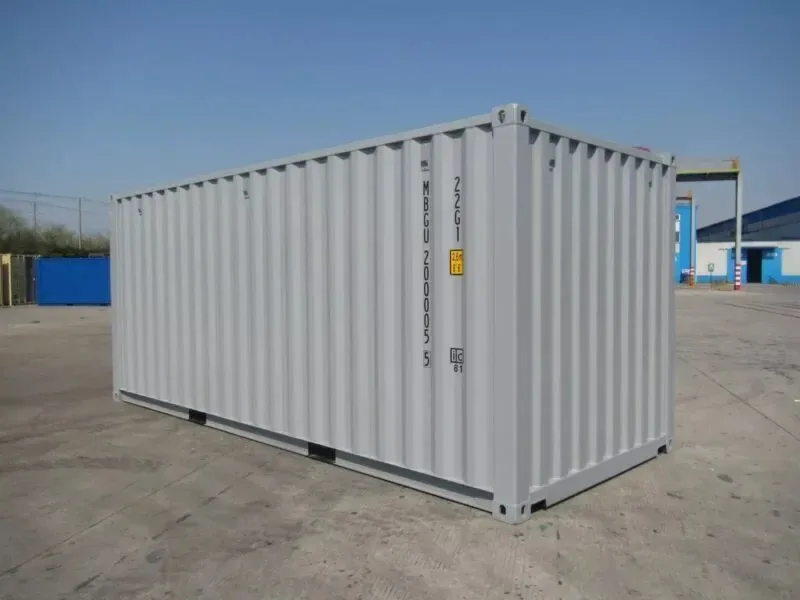
| One-trip | Built, filled once at the factory and shipped in. A single voyage. | Near-new: original paint, tight doors, clean floor, little to no rust. |
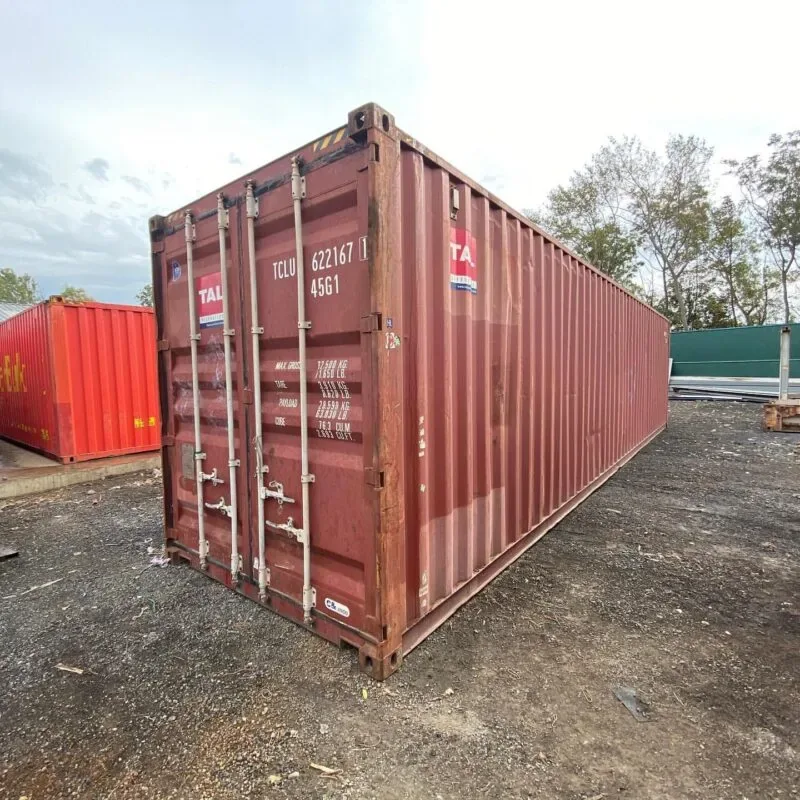
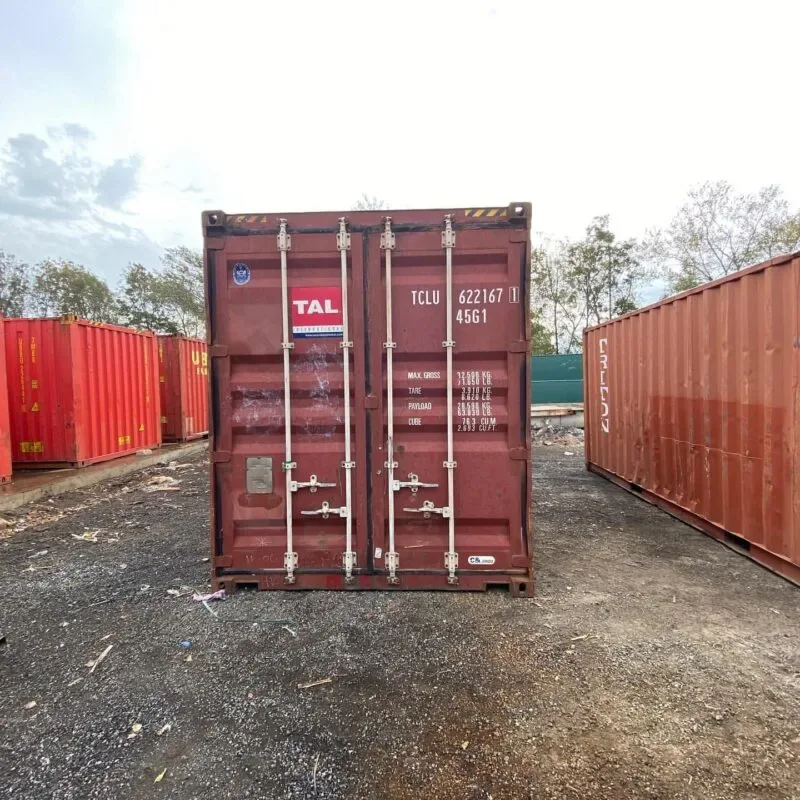
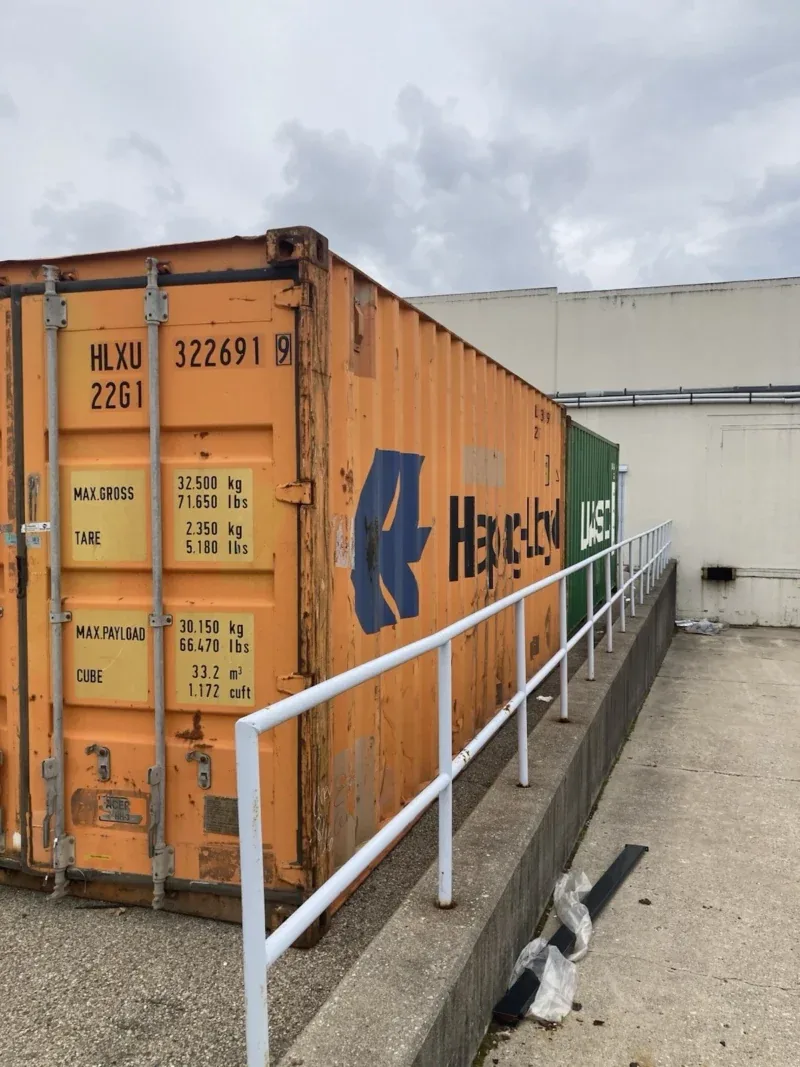
| Cargo-worthy | Used, but still fit to carry cargo as freight: structure, doors and floor are sound. | Scuffs and surface rust, faded paint, maybe a patch. Square, sealing, usable. |
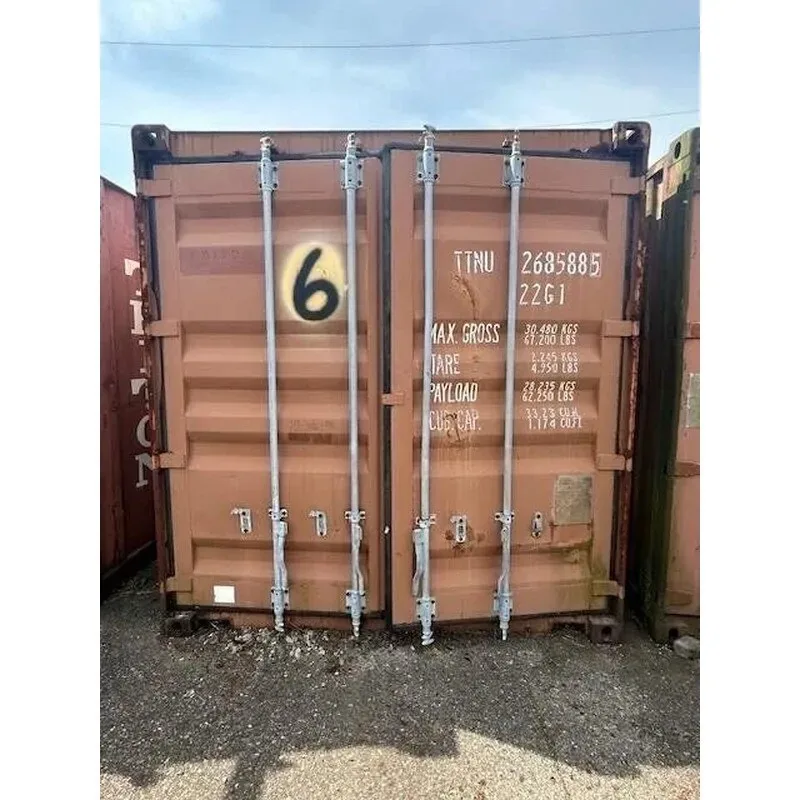
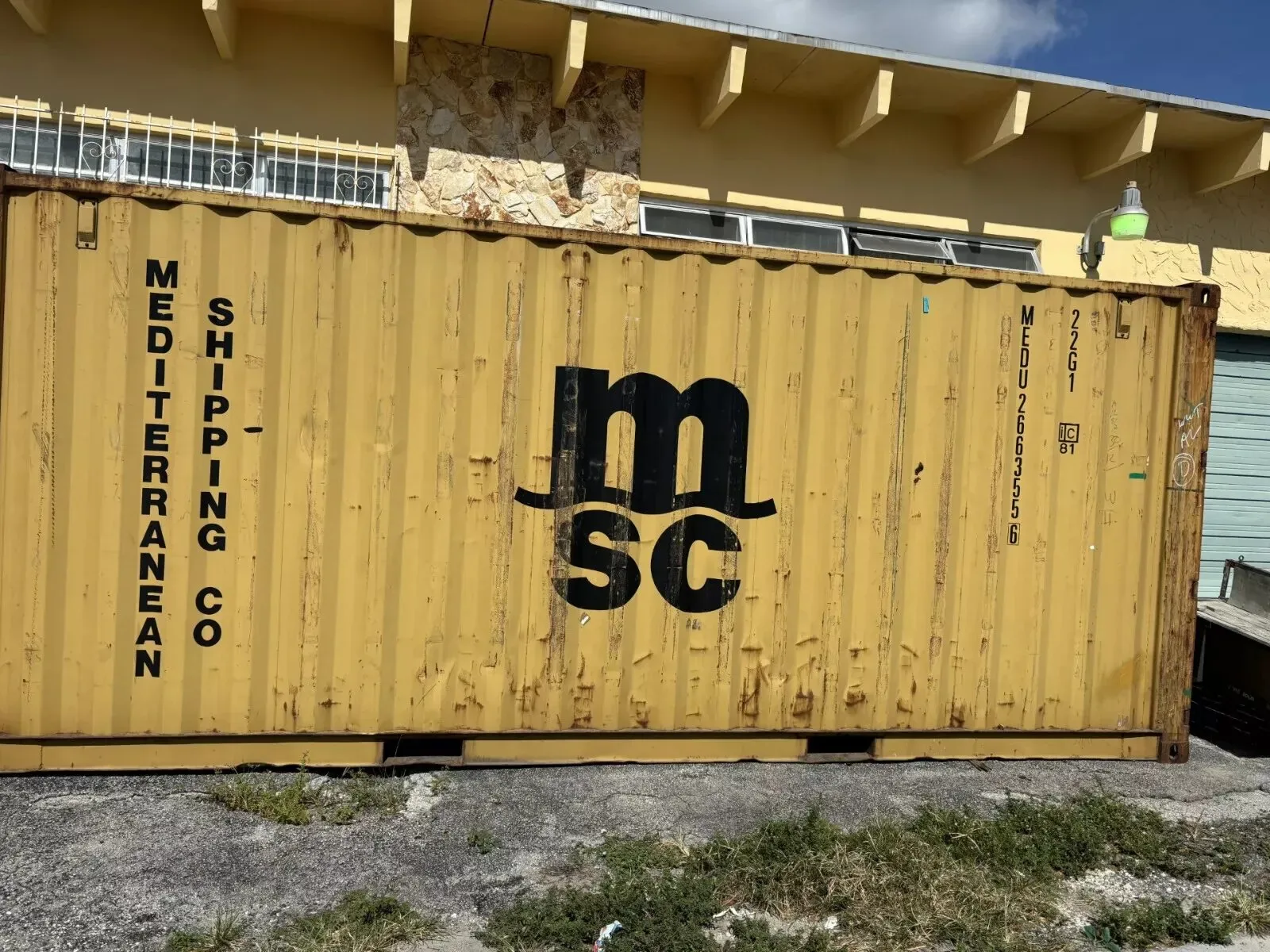
| Wind and watertight (WWT) | Holds rain and wind out. Says nothing about being accepted for shipment. | Working age. Dents, rust, worn paint. Fine parked, not necessarily loadable. |
Why the middle grade matters
Cargo-worthy is the grade a carrier, port or surveyor cares about. If the box is going onto a vessel, a rail car or a truck as freight, someone may ask whether it is cargo-worthy, and the answer is checked against the container's safety approval plate and the state of the structure.
WWT does not answer that question. A container can be perfectly dry inside and still be refused for shipment because a corner post is bent, a door gasket is shot, or the approval plate has expired. That is why the two terms get used side by side on a lot: one is about keeping goods dry, the other about being allowed to carry them.
What to check on a used unit
Whether you are shipping or just storing, these are the things that decide the grade. Take a torch and look, or ask us to walk you through the unit at the lot in Concord by appointment.
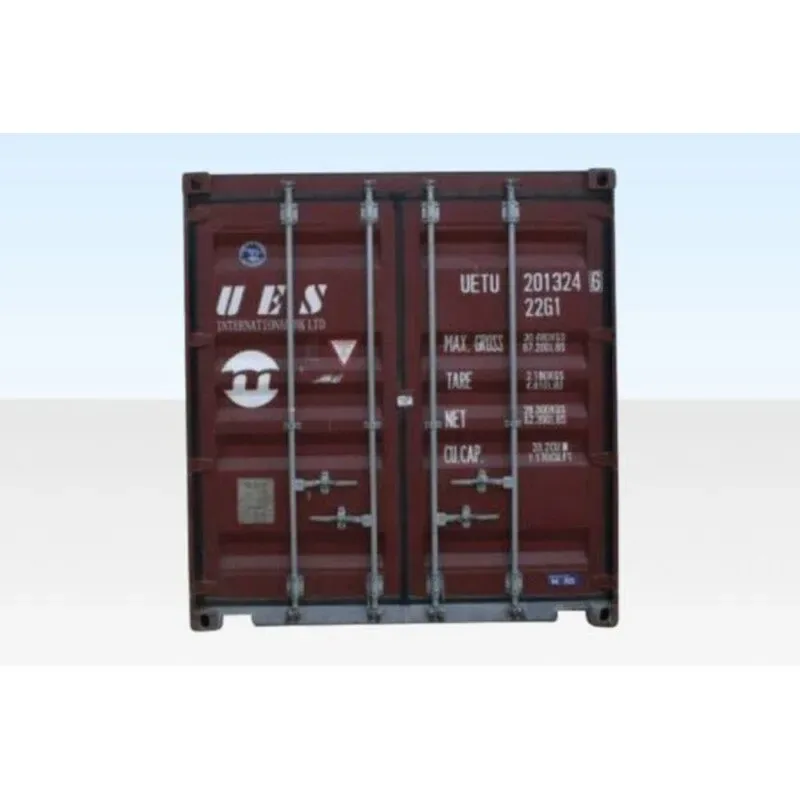
- Doors. Open and close both leaves. Gaskets should be soft and continuous, not cracked or flattened. Lock rods should turn, handles should seat, and the doors should shut square without a lift.
- Floor. Walk the whole floor. Soft spots, lifting plywood or rust bleeding through the boards mean water has been sitting.
- Roof. Look for pinholes and heavy rust along the seams. A roof leak shows up as staining on the ceiling, not on the floor.
- Side panels and corner posts. Dents are normal. Holes, patches and bent posts are not, and a bent post is the usual reason a box fails as cargo-worthy.
- Understructure. Cross members and the bottom rails carry the load. Scale and flaking rust there matter more than paint on the side.
- The plate and markings. The safety approval plate tells you when the box was last examined. Old cargo residue and strong smells matter too if the unit is going to hold food or feed.
When the grade matters, and when it does not
It matters if the container is going to move again, loaded: export, domestic line haul, rail, or anything where a customer or carrier sets a condition. Pay for cargo-worthy and expect to show the plate.
It does not matter much if the box is going to sit on your yard, farm or site and hold equipment. Then wind and watertight is the honest spec, and a WWT unit does that job for less than a cargo-worthy one. Rubber-tired and skid-mounted moves around your own property do not change that.
Either way the delivery is the same: the unit comes off a tilt-bed, flatbed or step-deck with a crane if needed, and the freight is quoted to your ZIP before you pay. Standard containers are 8 ft wide and 8 ft 6 in tall; high cubes are 9 ft 6 in.
See the shipping containers in stock, or read the size and grade section of the buyer's guide. If you are buying for a specific job, tell us what it has to do and we will point you at the right grade rather than the most expensive one.