What is actually inside the valve
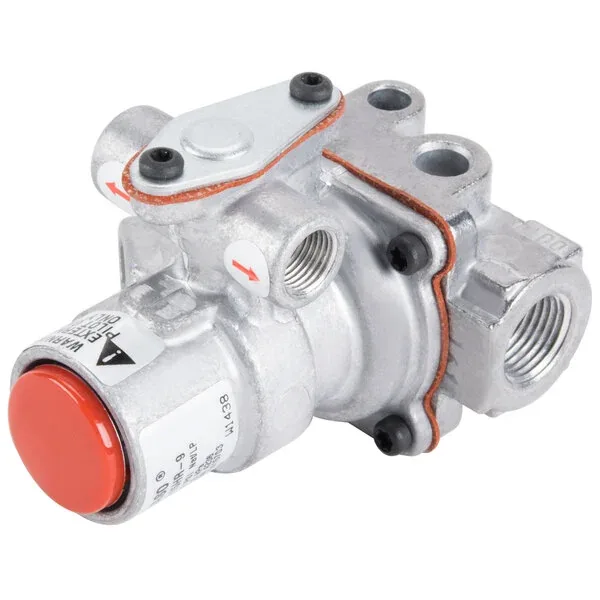
Inside the body of the valve there is a small float on a lever. While you are filling, propane liquid rises in the cylinder and lifts the float. At roughly 80% of the water capacity the float closes a port and flow stops, even though the pump is still running. Let the float drop back and the valve works normally again. Nothing is reset by hand and nothing is adjusted.
Most OPD valves also carry a discharge check valve on the outlet. Propane will not leave the cylinder until a hose fitting or regulator is actually threaded onto the valve and pushes that check open. That is why a cylinder with an OPD does not leak when the cap is off, and why a hose that is only half-tightened delivers nothing.
Which cylinders must have one
The federal hazardous materials rules do not spell out valve design themselves; they point at NFPA 58, the Liquefied Petroleum Gas Code. The 1998 edition of NFPA 58 requires an overfill prevention device on propane cylinders with a capacity between 4 and 40 lb, and states have adopted that edition or later. In practice that covers the 20 lb grill cylinder, the 30 and 40 lb cylinders on a camper, and forklift and heater cylinders in that range.
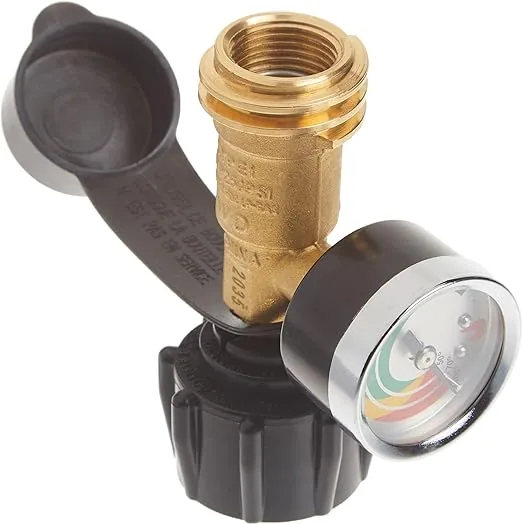
You can spot one without taking anything apart. An OPD valve has the big scalloped handwheel or nut on the outside, the QCC Type 1 (CGA 791) ACME outlet, and on many of them a left-hand POL thread on the inside of that outlet for older hoses. A pre-1998 valve is usually just a plain POL outlet with no float, no check valve and a much smaller collar.
Why the filling station checks it
A refill station that follows NFPA 58 will not fill a 4 to 40 lb cylinder that has no OPD, and will not fill one whose requalification date on the collar has run out. That is the station protecting its licence, not being difficult. Expect them to turn the cylinder over, look at the collar stamp and look at the valve before they hook up.
The OPD is a backstop, not a licence to overfill. It is designed to work alongside correct filling, and a cylinder that is filled by weight on a scale should never rely on the float to stop it. A float that has been bent, or a valve fitted by someone without the right tools, can fail open and give no warning at all.
How it relates to the 80% fill rule
Propane expands as it warms, and a cylinder has to leave room for that liquid to grow. The fill limit is about 80% of water capacity, which is why a 500 gallon tank holds roughly 400 gallons of propane and a 100 lb cylinder holds about 80 lb of product. The OPD is the automatic version of that rule on small cylinders.
On larger cylinders, and on ASME tanks, the same 80% limit is checked a different way: by weight on a scale, or off the fixed liquid level gauge, the small bleed valve that spits liquid propane once the level reaches the 80% mark. Different hardware, same limit.
Cylinders at the lot
Ironyard's cylinders start above the OPD threshold, at 100 lb (24 gallon water capacity) and up, so they are filled by weight or off the fixed liquid level gauge rather than by a float. The DOT and ASME cylinder listings run from the 100 lb Manchester units through the 200 lb and 420 lb cylinders in both DOT and ASME builds. The DOT units can be carried and refilled at a station; the ASME units are built to stay put and be filled on site.
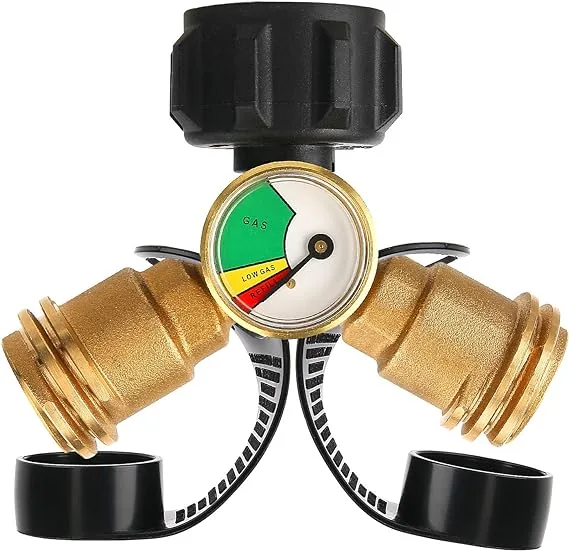
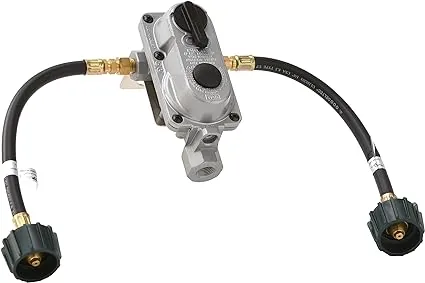
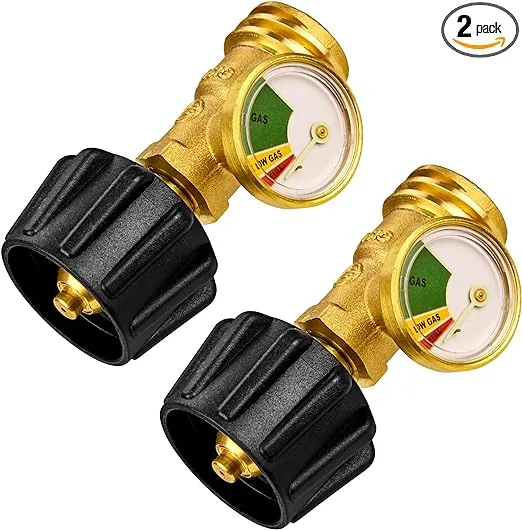
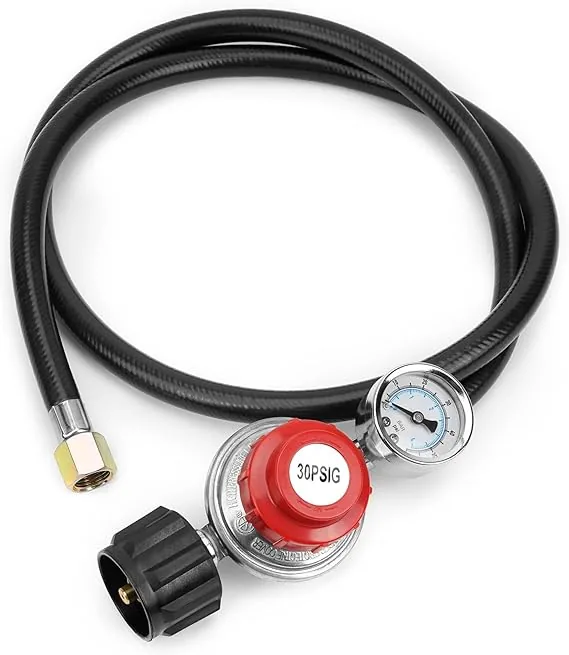
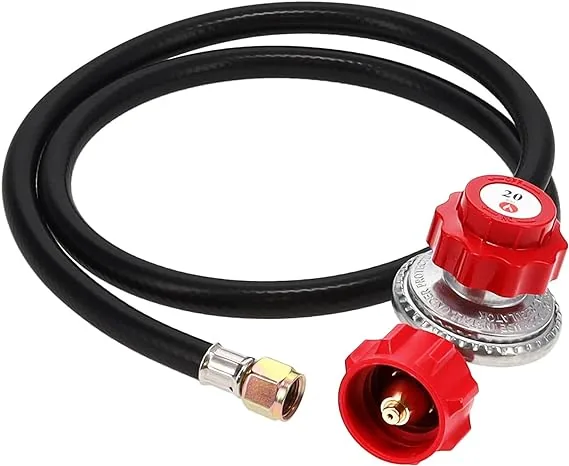
Every cylinder leaves the lot empty, by freight or flatbed. Setting, connecting and filling a tank is done by a licensed propane provider, not by the buyer and not by us. If you need the fittings afterwards, the gauges, regulators and valves category has the QCC Type 1 hoses and regulators that fit an OPD outlet. For the wider picture on sizing and installation, see the propane section of the buyer's guide.