Middle Tennessee ground is not flat ground
Nashville sits in the Nashville Basin, which is limestone country: shallow soil over rock, clay that holds water for days after a rain, and enough roll in the land that a lot that looks level from the cab is usually cut on the high side and filled on the low side. A container office has no frame to flex. It is a steel box that sits where you put it, and if you put it on four corners of soft fill, the doors will tell you about it inside a season.
What works: strip the topsoil, bring in compacted crushed stone, and set the unit on blocking, ties or a gravel pad that reaches undisturbed ground. On a slope, bench the pad into the hill or build it up — but build it up in lifts that are actually compacted, not one dumped load. Ask us for the footprint before you call the excavator. A 20 ft office needs roughly 20 × 8 ft of pad plus room to work around it, and the blocking goes under the corner castings, not the middle of the floor.
Limestone is good news once you reach it. It is the clay over the top that moves, and it is the reason a cheap pad on a Nashville hillside turns into a shimmed door by the second summer.
Getting the tilt-bed to the spot
The truck that drops a container is a tilt-bed. It backs up, tips, and the unit slides off. That needs a straight, clear run in front of the pad — about 75 ft for a 20 ft unit and about 110 ft for a 40 ft — with 14 ft of overhead clearance and firm, dry ground under the wheels.
In Davidson County the run is usually the part that fails. Older neighbourhoods have alley access, low tree canopy, parked cars and overhead service lines, and a 20 ft on a tight lot is often the honest answer where a 40 ft never gets in. Further out in Wilson, Rutherford, Sumner and Williamson counties you have acreage, but a soft pasture after three days of rain will not hold a loaded tilt-bed either. Walk the last 200 ft before delivery day and tell us what it looks like.
Storage or occupied: the permit question
Metro Nashville handles this through the Department of Codes and Building Safety. A container used purely for storage on a commercial or industrial parcel is usually a minor item. A container fitted out as an office that people work in — power, heat, a desk, a door they close — is a structure, and Metro reviews those as an accessory structure: use, setbacks, footprint and height, measured against the zoning on that parcel.
Two things we cannot answer for you: what your zoning district allows and how long the review takes. Call Metro Codes with the street address and the parcel before you order, and if the site is inside a historic overlay or a specific plan district, ask about that in the same call. What we can do is send the dimensions, the weight and the footprint you need, which is most of what the application asks for. None of this is legal advice — the permit is between you and Metro.
What we send to Nashville
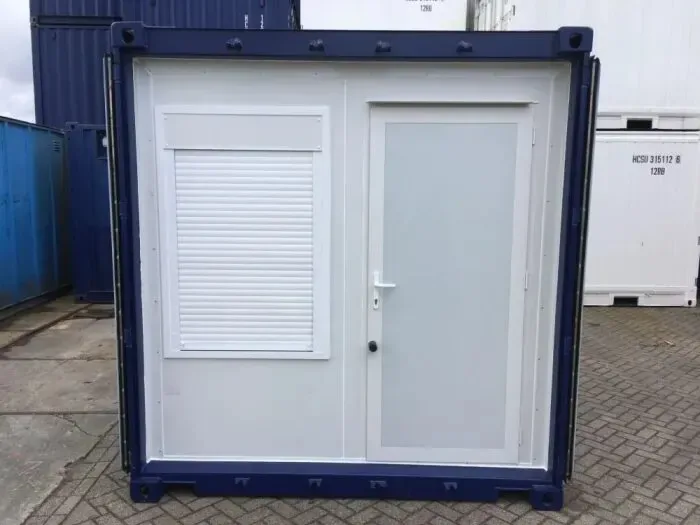
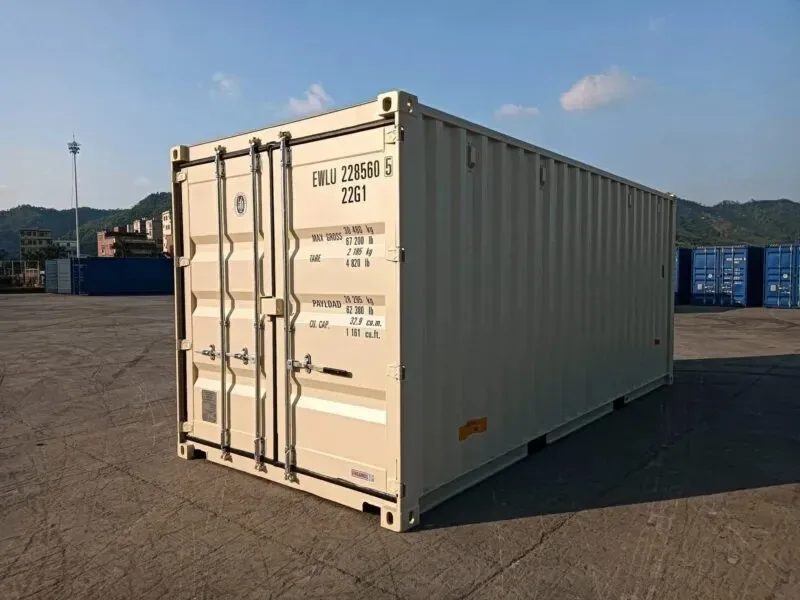
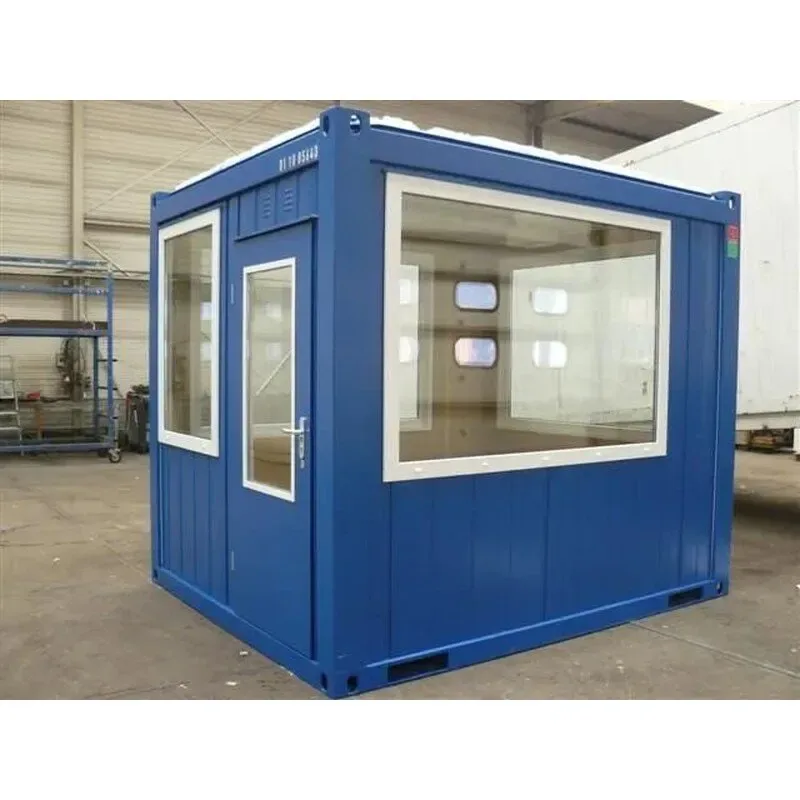
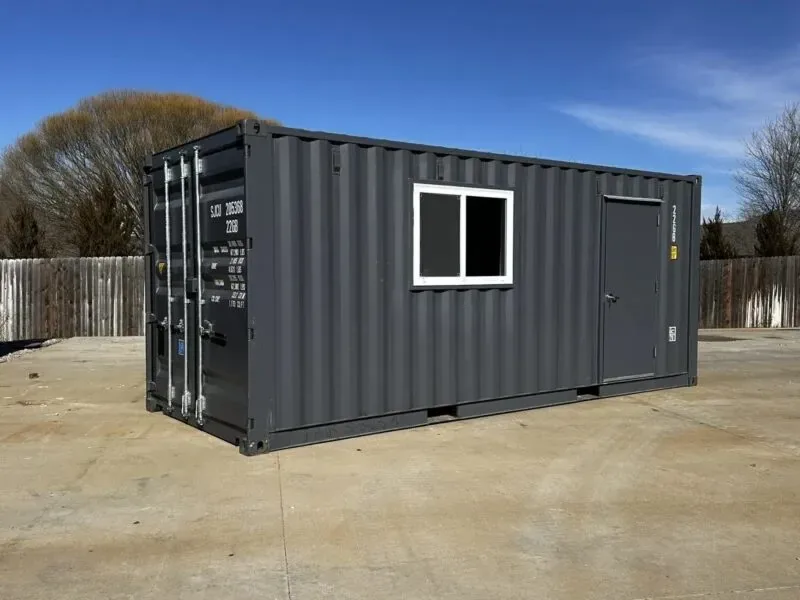
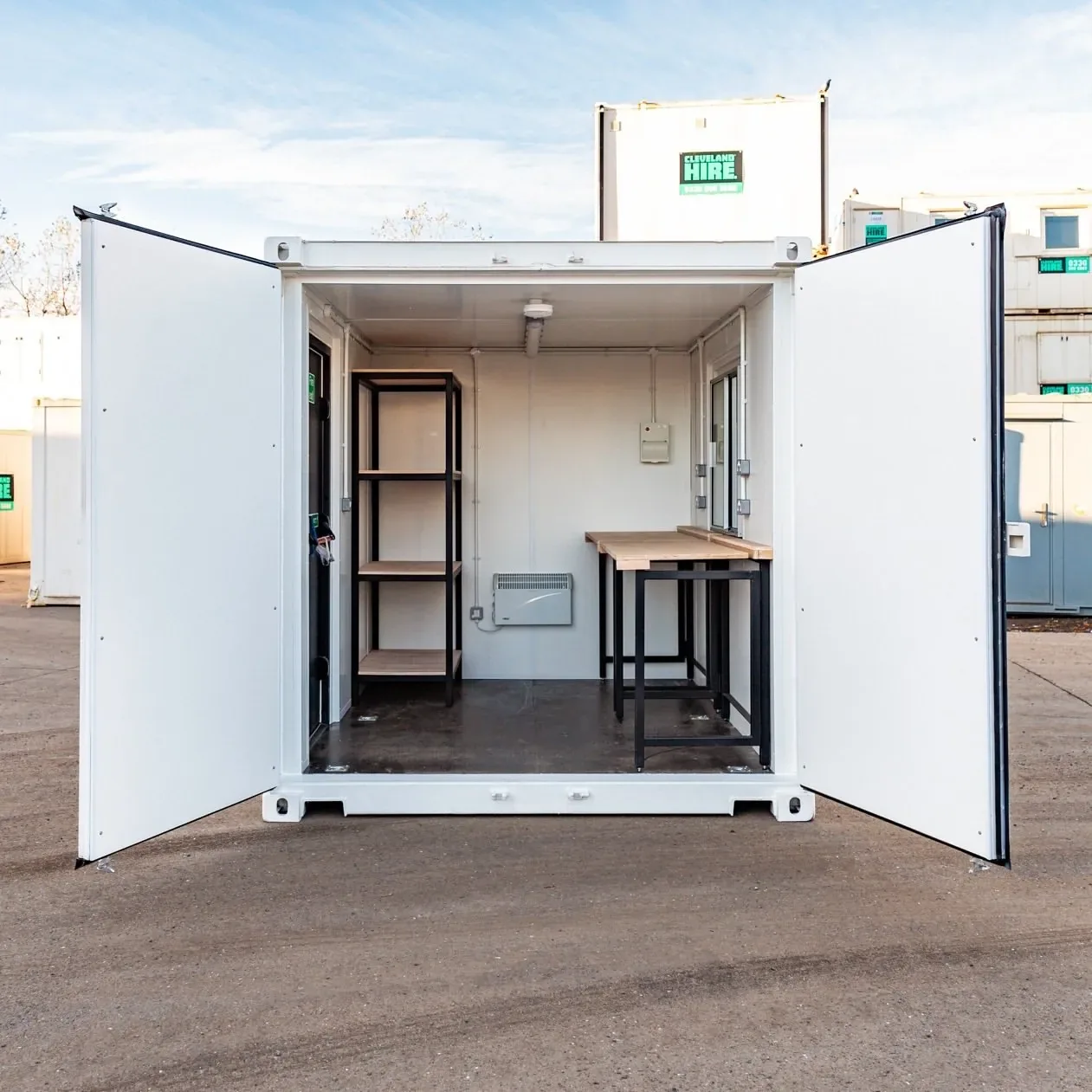
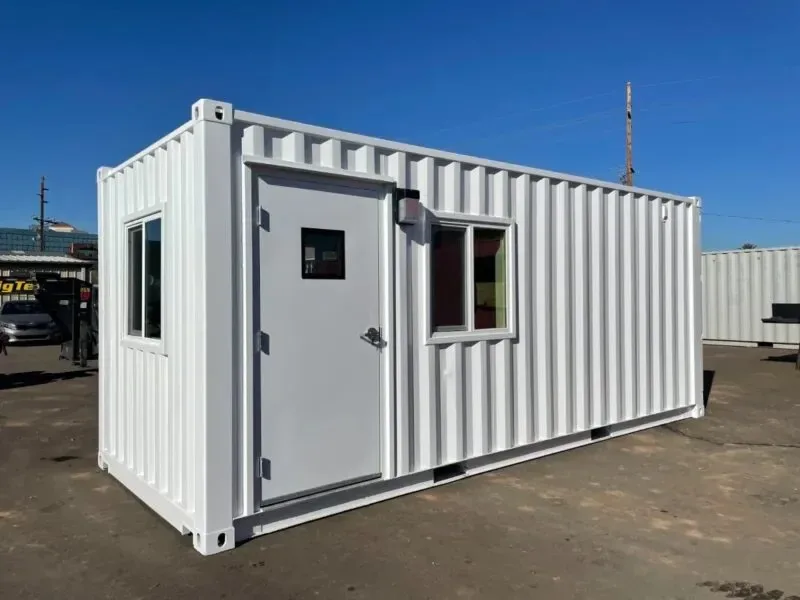
The units that go to Middle Tennessee most often are the 20 ft new open-plan office and the 10 ft ModiBox office for a gatehouse or a single-desk site trailer. For a shop that has to stay cool in July, the 20 ft shiplap office with a mini-split does the job. Bigger operations take the 40 ft office with an ADA restroom, or a clean used 20 ft office container when the fit-out matters less than the desk space. If the office is going next to a crew, there is a lunchroom container for that.
Every unit is photographed and priced in the open, so you can see the finish and the spec before you call. The current stock sits in modified and office containers, and the wider range is under offices and cabins. If you are weighing a container office against a cabin or a mobile unit, the buyer's guide lays the trade-offs out.
From Concord, NC to Nashville: about 430 miles on I-40
The lot is at 1122 Matchstick Pl SW in Concord, NC. The run to Nashville goes out of Concord to I-77, north to Statesville, then west on I-40 through Hickory, Asheville and the Pigeon River Gorge into Knoxville, and on over the Cumberland Plateau. Call it about 430 miles and seven to eight hours of road for a truck. The gorge is the mountain stretch — long grades and curves, which is ground a loaded tilt-bed takes slowly.
Our published transit window for Tennessee is 4 to 10 business days after payment clears. Dispatch happens 2 to 5 business days after the payment clears, by tilt-bed, flatbed or step-deck depending on the unit. Delivery is quoted to your ZIP and shown in writing on the invoice before anything is paid — we do not quote freight off a table on a web page, because the last mile is what moves the number. The shipping policy has the detail.
Payment is ACH or wire, Zelle, or a secure card link. Nothing is charged on the website: you get an invoice first. You can cancel at no cost any time before dispatch, and damage reported within 48 hours of delivery is repaired, replaced or refunded with return freight on us. Payment methods and returns spell out the rest.