What you get in the unit
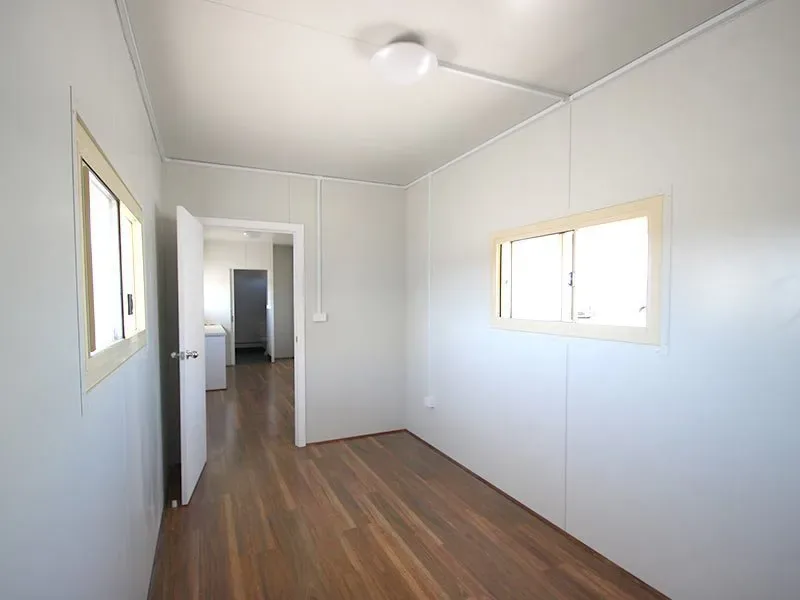
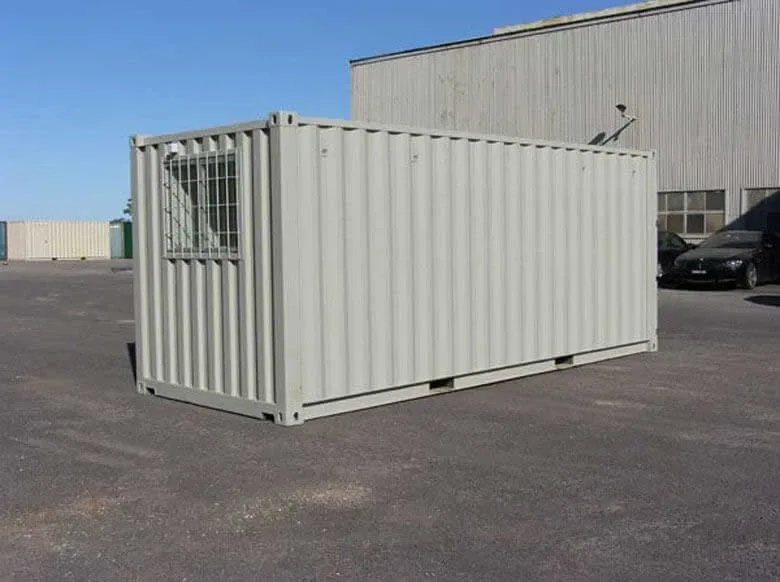
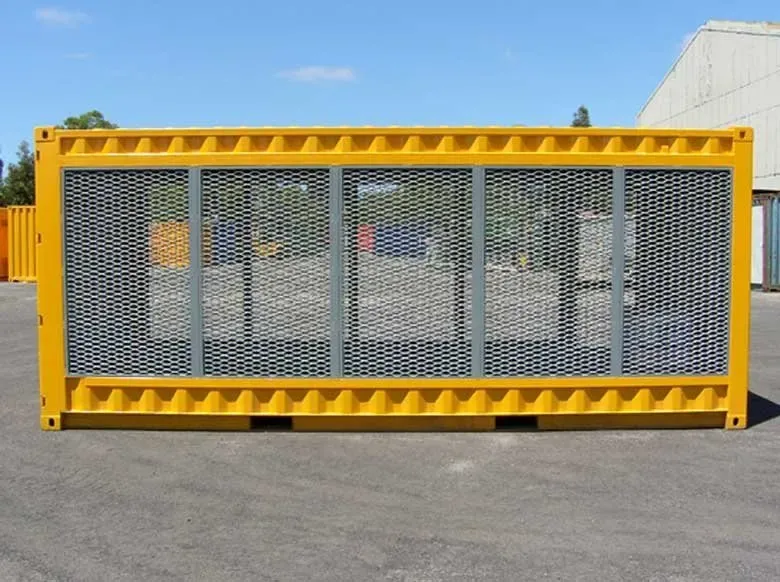
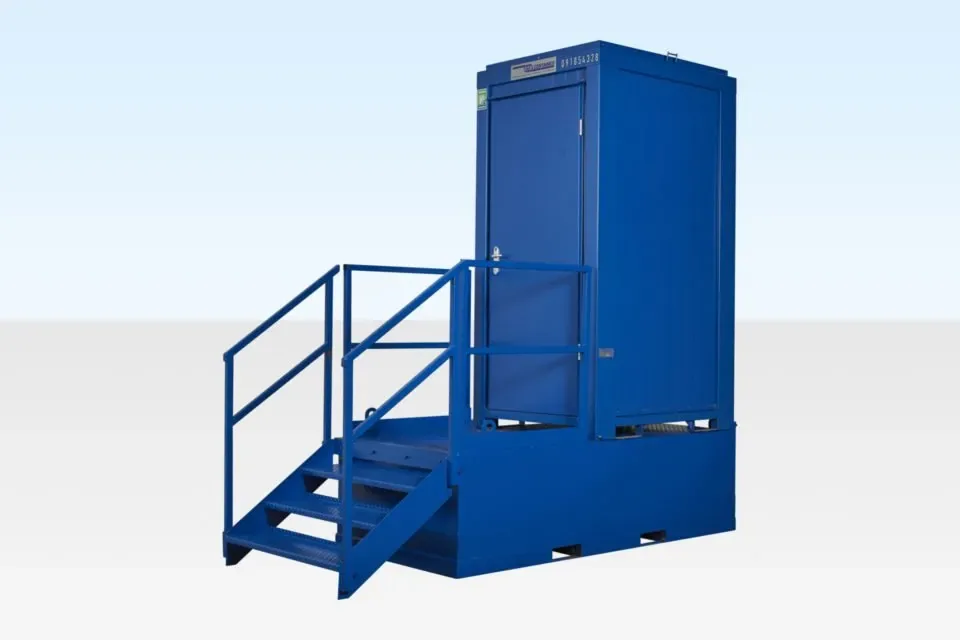
These are new-build container conversions, not a used box with a bench dropped in. Each one has a personnel door, a window with a security grill, an electrical fit-out, and lockers in a range of sizes. The steel shell does the security work; the fit-out does the shift-change work. The whole thing moves as a container, so it goes back on a tilt-bed and onto the next site when the job is done.
They are built on general purpose boxes, so the footprint is the standard 8 ft wide, 8 ft 6 in tall, in 20 ft and 40 ft lengths. The full range of site and welfare units sits in specialized containers.
20 ft or 40 ft
Size it on headcount at shift change, not on headcount on the payroll. A 20 ft unit takes a single gang comfortably; a 40 ft gives you the longer locker bank and the floor space to have half a crew changing while the other half is at the gate. If you are running two shifts that overlap, go bigger than the maths suggests — the extra lockers get used before the extra changing space does.
Work out how much secure storage each worker actually brings. A change room that fits a hard hat and a lunch box is a different unit from one that takes tool bags and boots.
The haul from Concord to Orlando
The truck runs I-77 south out of Concord, picks up I-26 east toward Columbia, then I-95 south through Georgia and into Florida at Jacksonville, and finally I-4 west into Orlando. Call it about 540 miles and eight to nine hours of road time before driver breaks.
At 8 ft wide these units go as a legal-width load on a tilt-bed with no overwidth permit and no escort, which keeps the freight simple on that corridor. Where it stops being simple is the last quarter mile, not the interstate.
When it lands
Dispatch is 2-5 business days after payment clears. Florida sits in the site's 5-14 business day transit window after dispatch, so plan a fortnight from cleared funds to a landed unit and you will not be disappointed. That window is what the site publishes; it is not a promise pinned to your particular week.
If a named storm is tracking toward Central Florida, settle the delivery date with us before you book your crew's start. A tilt-bed needs firm dry ground under it, and that is the one thing a storm takes away.
The delivery number itself is quoted to the buyer's ZIP — Orlando addresses vary enough in access that one flat figure would be wrong for somebody. Read the delivery policy for how that is worked out.
Ground and drainage matter more here than most places
Central Florida is sand over a high water table, and the summer storms drop a lot of water fast. Two things follow.
- Build the base up rather than digging in. A level pad that sits a few inches proud of the surrounding grade sheds water away from the unit instead of through the floor.
- Set the container on 6x6 timbers or concrete blocks so the steel floor is clear of the ground. Water sitting under a container wicks up through the deck and rusts the underside while the inside still looks fine.
Give the pad a slight fall away from the door and keep the door end the high end. If the site already ponds after a downpour, that is where the unit will sit in water, and moving it 20 ft to the crown of the lot is cheaper than replacing a floor.
What the truck needs to get in
The tilt-bed tips the bed to the ground and slides the unit off, so it needs a straight clear run in front of the placement spot: about 75 ft for a 20 ft unit and about 110 ft for a 40 ft. Add 14 ft of overhead clearance — watch event canopies, hotel porte-cocheres, low service wires and tree limbs. Firm, dry ground under the truck, because a loaded tilt-bed that sinks is a unit that comes off crooked.
On an active site, tell us where the gate is, whether a flagger will be there, and whether anything is parked in the drop zone that morning. On an event ground, tell us the load-in window and the route the truck is allowed to take across the property. Both of those save a wasted trip.
Permits and the occupied question
A change room used as storage is one conversation; a change room with people working in it, power connected and water on is another. Permitting is handled by the city or county building department that covers the site, and the answer differs between an industrial lot, a fenced construction site and a residential address. Ask that department before you sign anything, and tell us what they say — we do not pull permits, and we would rather you knew the answer before the truck rolls.
Build out the rest of the welfare setup
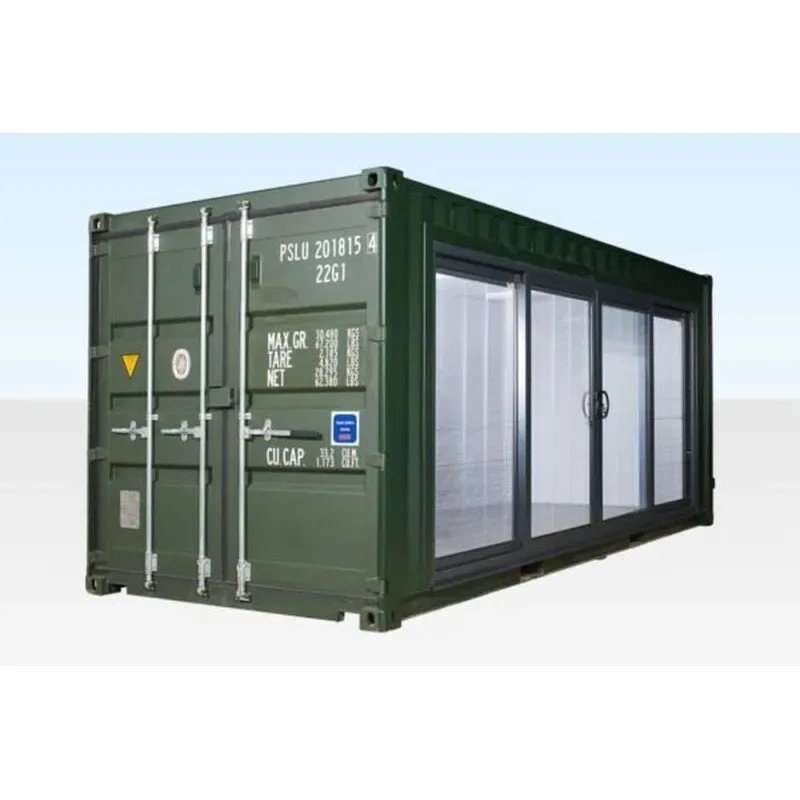
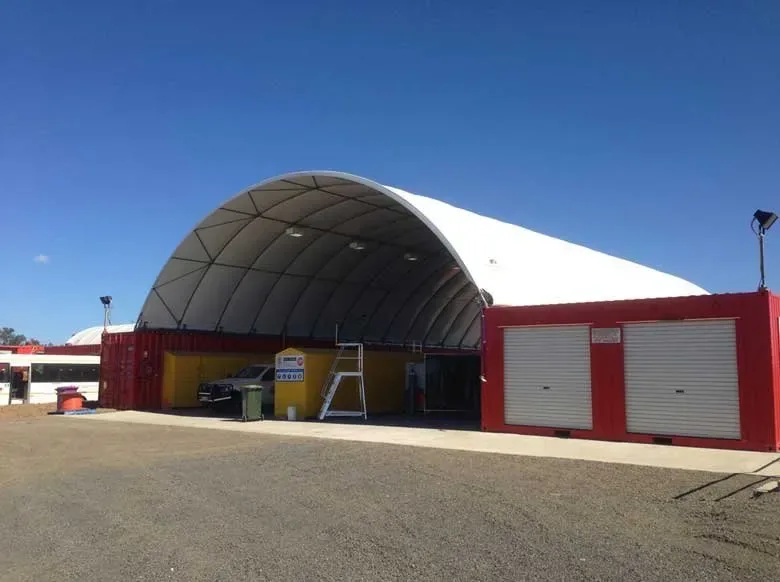
One change room is a starting point, not a compound. Most crews end up pairing it with a lunch room, an ablution unit and a first aid room, and because they are all container builds they line up side by side and move together. Browse modified and office containers or the wider offices and cabins range.
How the order works
Nothing is charged on the website. You get an invoice first, with the unit, the delivered figure to your ZIP and the dispatch date on it, and then you pay by ACH or wire, Zelle, or a secure card payment link. Orders can be cancelled at no cost before dispatch. Report damage or a fault within 48 hours of delivery and it is handled at Ironyard's cost, with return freight paid by us. The rest is on payment methods and returns.
If you are close enough to drive it, you can collect free at the lot at 1122 Matchstick Pl SW in Concord and inspect the unit first, by appointment.