What comes off the truck in Detroit
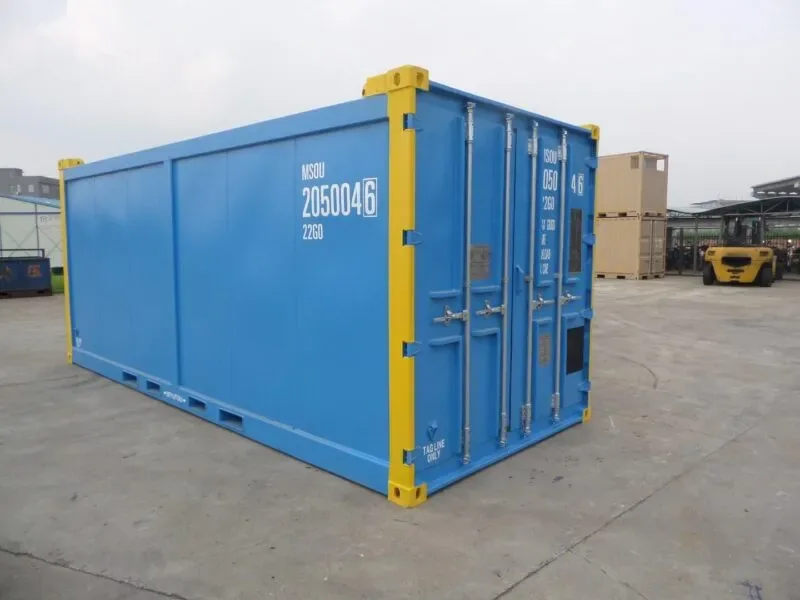
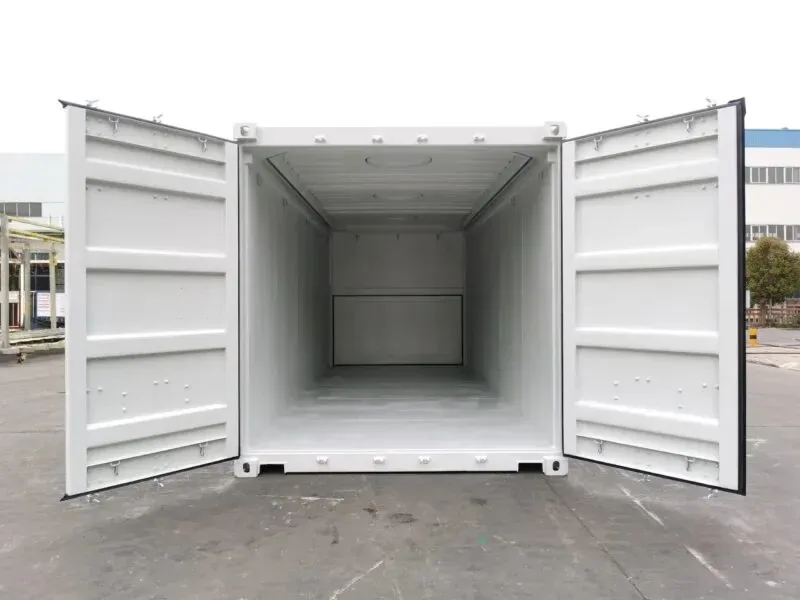
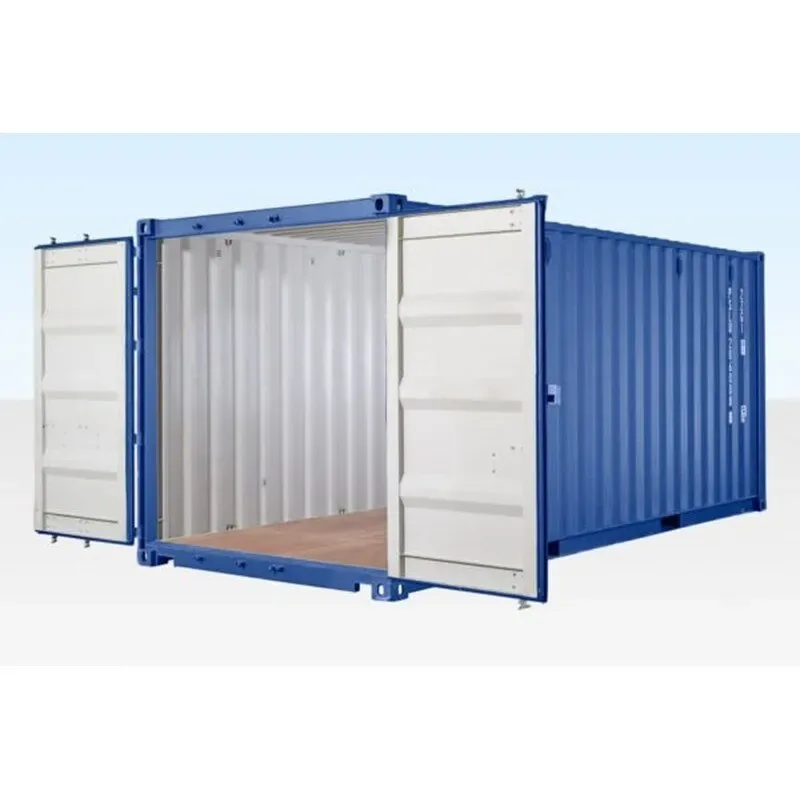
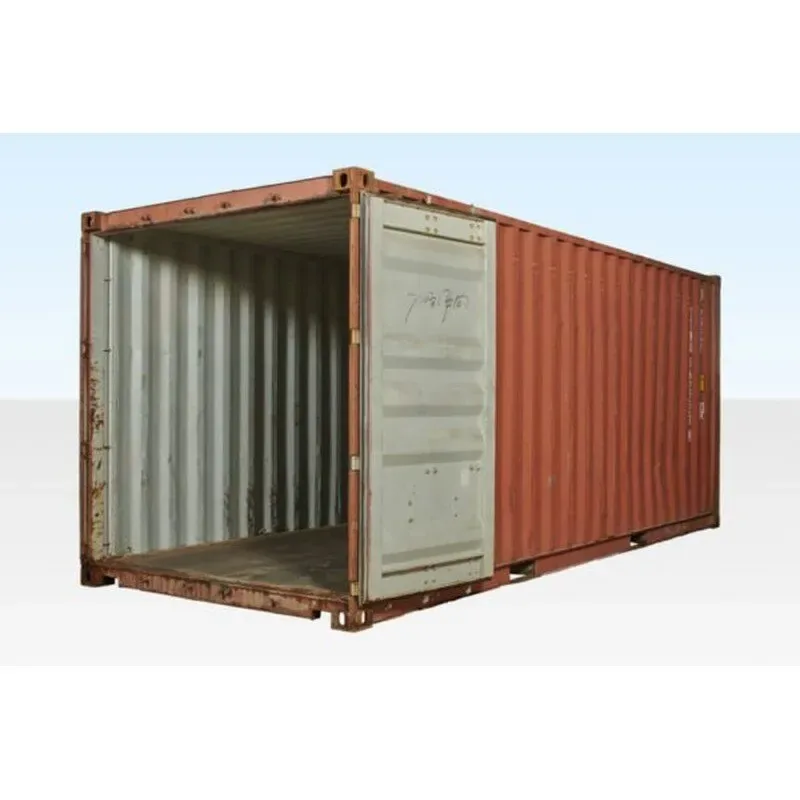
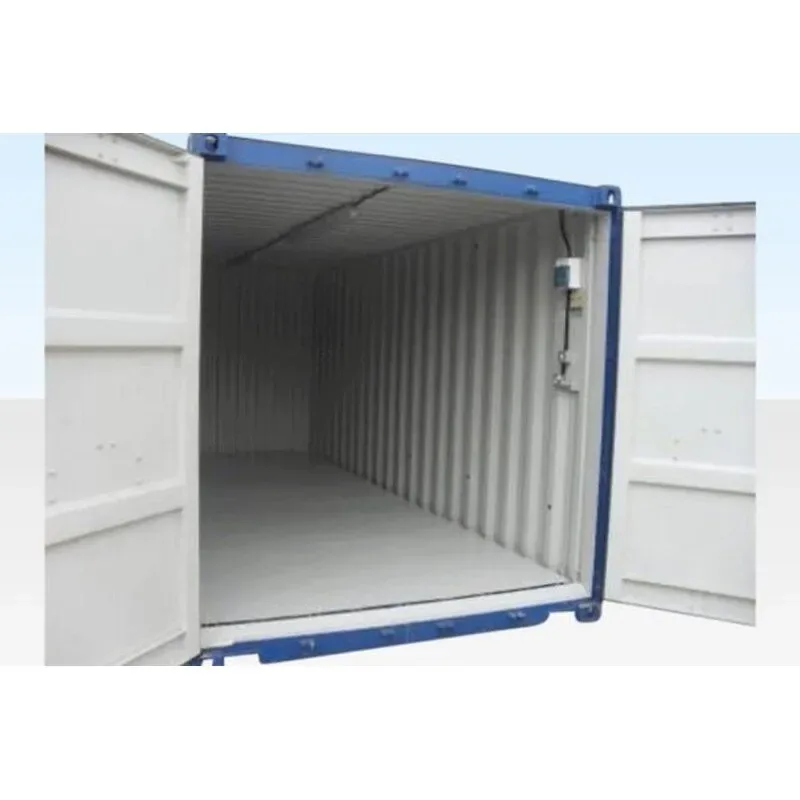
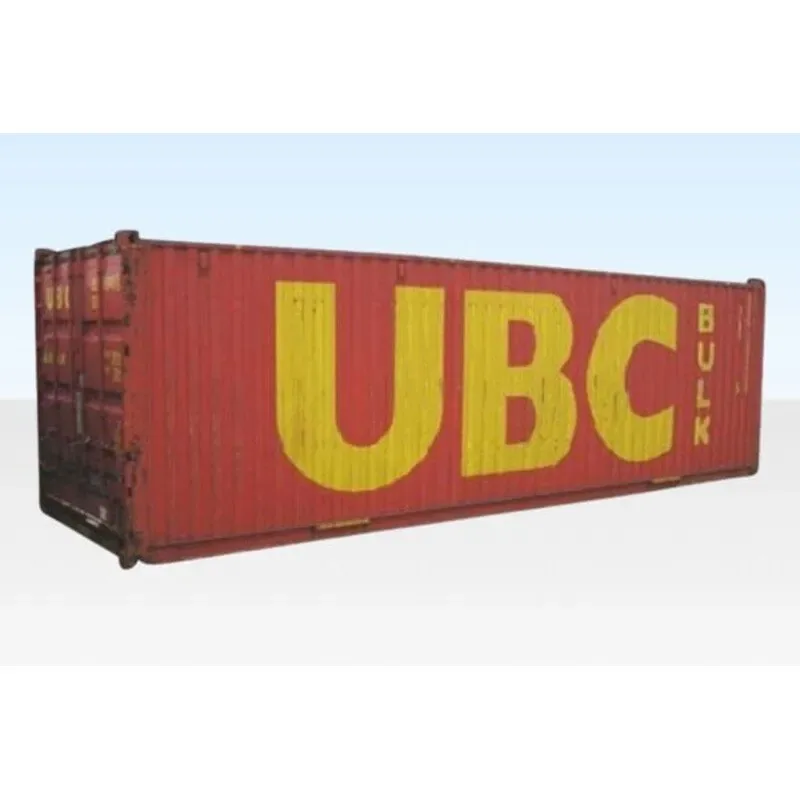
Storage containers in 10 ft, 16 ft, 20 ft and 30 ft, in one-trip, cargo-worthy and wind and watertight grades. Standard boxes are 8 ft wide and 8 ft 6 in tall. The storage line carries roll-up doors, which is what you want if the unit will be opened and shut daily by a crew. Every unit is photographed and priced in dollars on the site before you call.
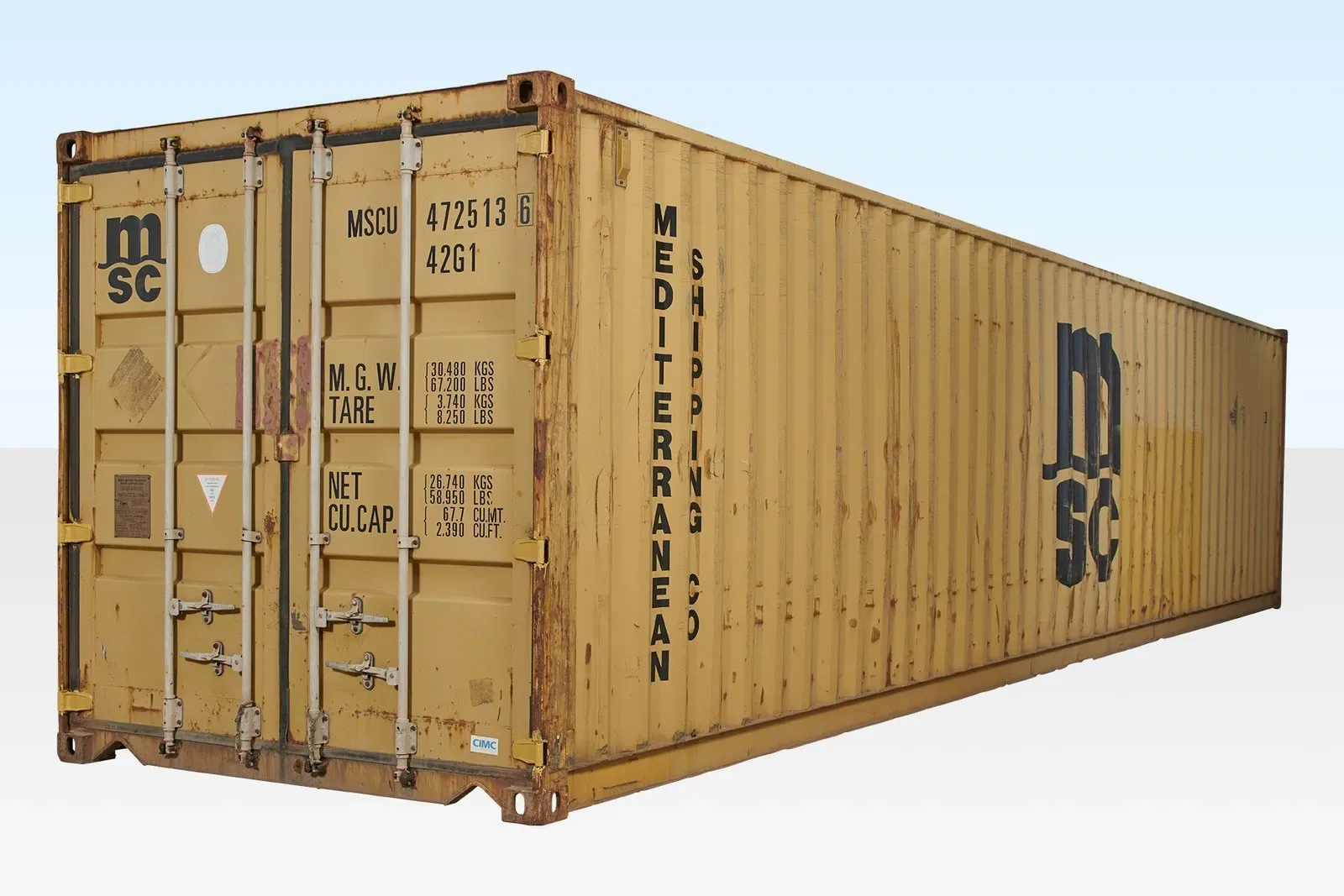
The full line is in storage containers, and the standard 20 ft and 40 ft cargo boxes are under shipping containers. If you are weighing one-trip against a used box, the buyer's guide lays out what the grades actually mean.
The route, and how long it takes
The run north is about 650 miles and ten to eleven hours of driving: I-77 out of Charlotte up through the Carolinas and West Virginia, across into Ohio, then I-75 north into the city. That is a one-day haul for the truck, but it is dispatched on its own schedule, not yours.
Michigan sits in the 2-7 business day window published for Ohio and the states around it. That clock starts when payment clears, not when you order — dispatch is 2-5 business days after the money lands. Then the truck runs. The delivery figure is quoted to your ZIP and printed on the invoice, so you see the number in writing before you pay anything. The full terms are on the delivery page.
Where the container goes in Detroit
Most Detroit drops go into one of three places: a back lot behind a shop, a side lot next to a house, or an open parcel. The open parcel is more common here than in most cities, and it brings a question of its own — before the truck rolls, know where your line is. A box set three feet over onto the neighbour's parcel is a problem you have to move later, at your cost.
Older blocks here are laid out around alleys, and an alley is usually tighter than it looks from the street. Three things stop a drop:
- The mouth of the alley. The turn off the street is tighter than the block itself. Measure the corner, not the middle.
- Overhead. Wires, low branches and garage overhangs cross the alley. A tilt-bed needs about 14 ft of clear air over the whole run.
- Pull-out room. The truck does not reverse out of a tilt-bed drop. It drives forward with the bed coming down behind it.
If the alley or the side lot will not take the truck, there are two honest options: a street drop where the city allows it, or we set the unit on a nearby commercial lot and you move it the last stretch with a rollback. Tell us before dispatch and it gets priced that way, instead of being discovered on the day.
The base, and why Detroit winters punish a bad one
Michigan code puts the frost line at 42 in statewide, and southeast Michigan typically sees the ground freeze 30 to 36 in down. A container set on bare dirt in October will be sitting on ground that has heaved by February, and the frame twists with it. A twisted box leaks at the door seals, and that leak gets blamed on the container.
Set it on a level, compacted gravel pad, or on concrete blocks under the four corners — and under the middle of a 40 ft as well, or the floor sags. Not on asphalt you care about. Not on soft ground during a thaw, and not on ground that is already frozen: a pad graded on frozen soil settles out of level the first time it thaws. If the ground is hard when the truck is coming, either clear and build the pad properly before the freeze or hold the delivery until spring.
Snow, salt and the door end
Two habits keep a Detroit container usable through March. First, face the doors away from where the plow throws snow, and keep an apron clear in front of them — a door with a two-foot snowbank against it is a door you stop opening. Second, get the snow off the roof rather than letting it sit and melt into the seams.
Salt is the other one. Contractors here store salt, plow parts and de-icer, and steel plus salt is a slow fight. Keep bulk salt in a separate unit or a lined bay rather than against the container wall, and wash the lower rails down in spring. The roof and lower rails are where a used box starts going first.
The run the tilt-bed needs
| Unit | Straight clear run | Overhead |
|---|---|---|
| 20 ft container | about 75 ft | 14 ft |
| 40 ft container | about 110 ft | 14 ft |
| 10 ft or 16 ft | less than a 20 ft, same ground rules | 14 ft |
The truck also needs firm, dry ground to stand on while the bed comes down. Send us the run length, the width at the tightest point and a photo of the approach, and we will tell you yes or no instead of guessing.
Ordering it
Nothing is charged on the website. Checkout sends an invoice: the unit, the delivery figure to your ZIP, and the terms, all in writing. Payment is by ACH or wire, Zelle, or a secure card payment link. Orders can be cancelled at no cost before dispatch, and damage reported within 48 hours of delivery is repaired, replaced or refunded with return freight on us. Any question the site does not answer, call the lot at +1 (645) 529-6321, Mon-Fri 8am-6pm and Sat 9am-2pm, or use the contact form.