What comes to a Minneapolis ZIP
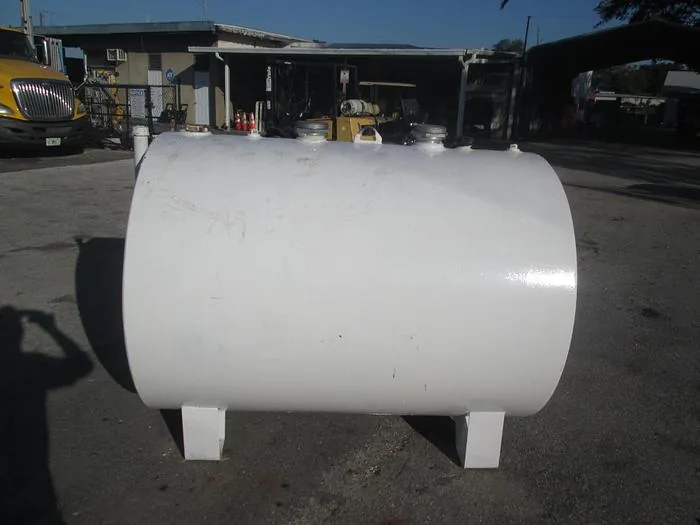
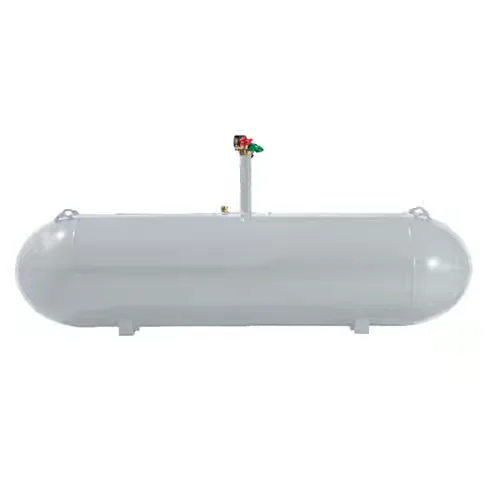
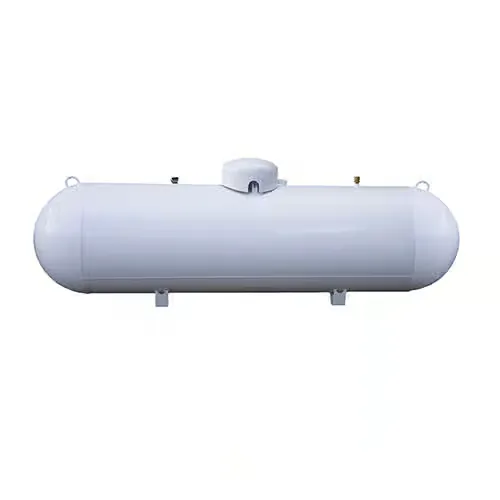
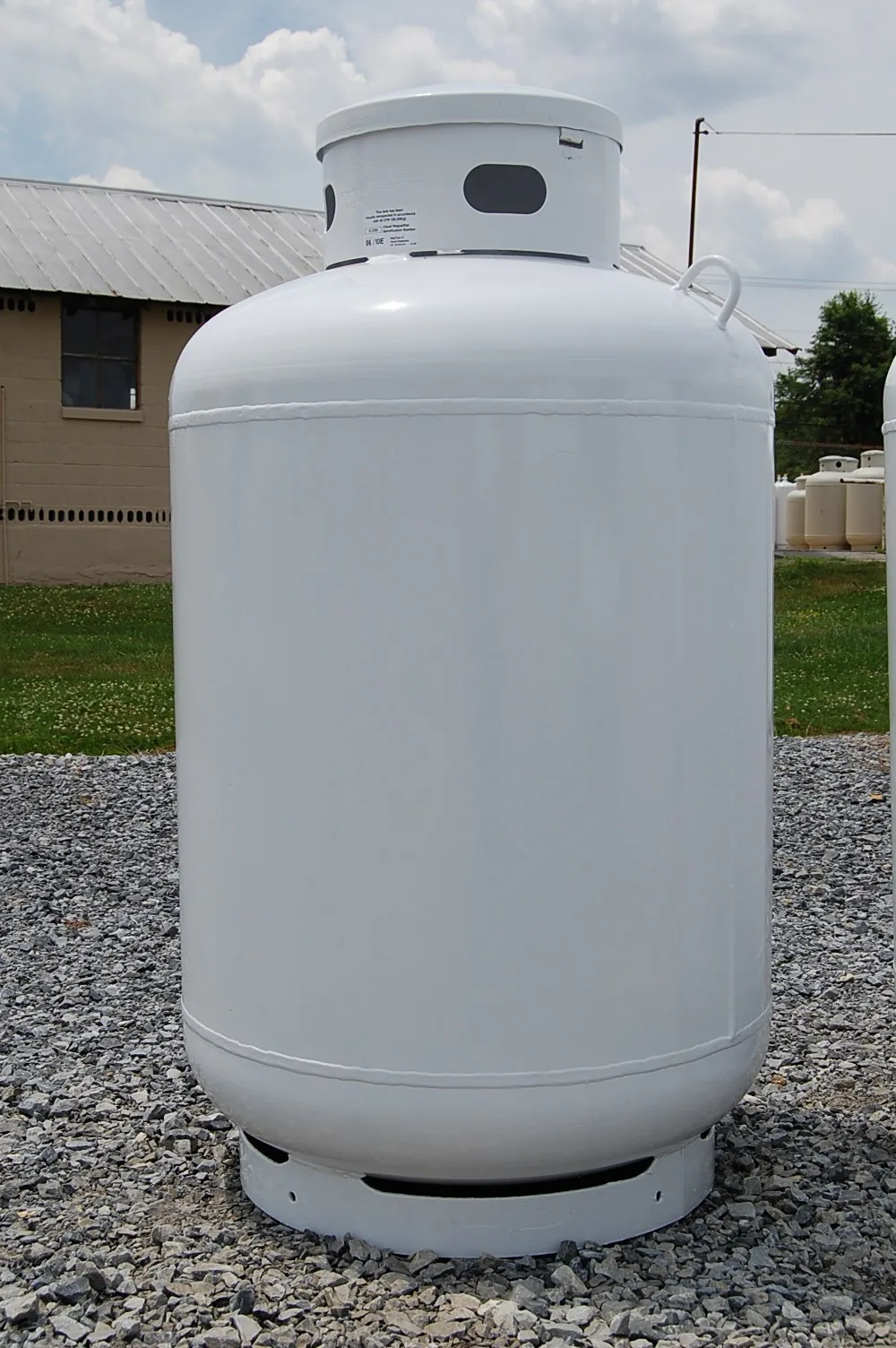
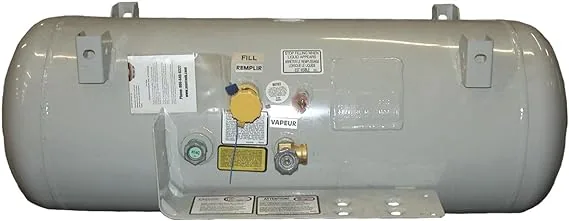
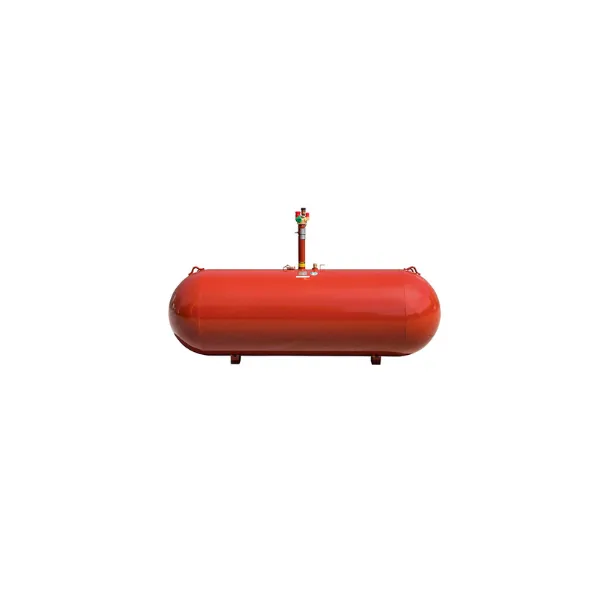
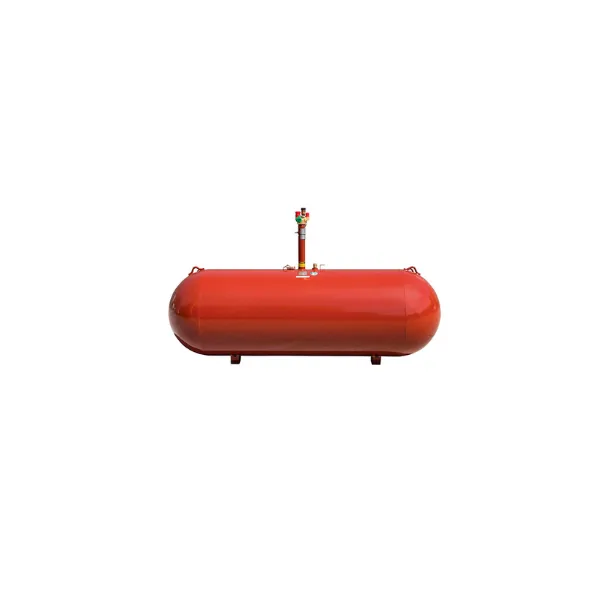
Everything on the new propane tanks page is available to a Twin Cities address: 120, 250, 320, 325, 500, 1,000 and 2,000 gallon ASME tanks, above ground and underground. Sizes and weights sit on each listing, so you can see what the truck is actually carrying before you order. The 120 gallon above-ground ASME tank, for one, is 257 lb empty.
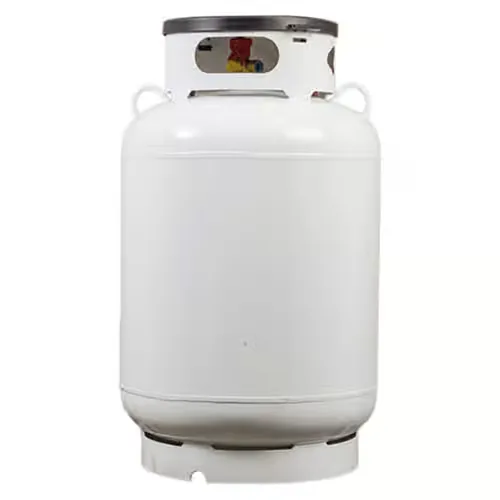
They are ASME Section VIII, Division 1 tanks built to NFPA 58. If you need a cylinder rather than a tank — a grill, a forklift, an RV — those are DOT and ASME cylinders and live on their own cylinder page.
Picking a size for a Minnesota heating season
A tank is sized on how much propane you burn between fills, not on how big the yard is. Around the Twin Cities that load is usually heat, hot water, a range, and sometimes a garage, a pool or a standby generator.
- 500 gallon above ground — the default for a house that heats with propane. It holds about 400 gallons, because a tank is only filled to roughly 80% of water capacity.
- 1,000 gallon, above ground or underground — a bigger house, a pool heater, a generator, or a house where you want to buy a whole season in one fill. The listing puts it at about 850 gallons of propane.
- 250 and 325 gallon — a smaller house, a heated shop or a cabin. A 250 holds about 200 gallons.
- 120 gallon — a food truck, an RV pad or a heater for a detached garage. RV and food truck tanks are listed separately.
- 2,000 gallon — farms and commercial buildings with a real load on them.
If you do not know your annual gallons, your propane provider can pull the figure from your account history. The propane section of the buyer's guide walks through the arithmetic as well.
Get the set planned before the ground freezes
This is the part that catches Minneapolis buyers in November. An underground tank has to be excavated in, and the installer sets it below the frost line. Once frost is in the ground and staying there, that hole is a different and more expensive job — and some installers will not open ground in January at all.
An above-ground tank is easier, but it runs on the same clock. It wants a level, compacted base — gravel or a concrete pad — on ground that will not heave, sited clear of the roof edge where snow slides off and clear of where the plow pushes the bank. Set a 500 or a 1,000 on bare dirt in October and you will be re-setting it in April.
The order of work that holds up: choose the size, order it, let it land, have the provider set and connect it, then fill it. Work backwards from the first hard freeze rather than forwards from today.
The run up from Concord
Minneapolis is about 1,163 miles from the lot at 1122 Matchstick Pl SW — roughly 18 hours of highway — north out of Concord on I-85 and I-77, up through the Midwest, and west into the Twin Cities on I-94. That is a multi-day freight run, not a next-day delivery.
What the site publishes for Minnesota is 5 to 14 business days in transit, counted from dispatch. Dispatch is 2 to 5 business days after your payment clears. The freight figure is quoted to your ZIP and shown in writing on the invoice, so you see the delivered number before anything is paid.
What the truck needs at your end
Tanks ride on a flatbed or a freight truck and come off at the set point. The driver needs a clear approach and room to turn around; a long single-lane driveway with a soft shoulder after a wet fall is the usual problem.
The set point has to be reachable, not just visible. A 1,000 or a 2,000 gallon tank is a heavier offload than a 120, and the provider will later want a hose truck to get to whatever you place. Tell us on the order what the lane is like and where the tank should sit — easier to plan than to fix.
Free pick-up at the lot in Concord is also an option. The tank is empty either way, so you would still need a trailer and a way to set it once it is home.
Who sets it and who fills it
Ironyard does not install propane. Setting, connecting and filling a tank is done by a licensed propane provider. The tanks ship empty — nothing in them when they leave Concord, and nothing added when they land.
The provider also covers the parts a buyer should not guess at: the setbacks NFPA 58 and Minnesota's amendments require, the regulator and the line, and whether your city or county wants a permit or an inspection before the tank goes in. Ask those questions before you order, so the tank that arrives is a tank that can be set.
Ordering, paying and returns
Every unit is photographed and priced in USD on the site. Nothing is charged on the website: check out and an invoice comes by email, paid by ACH or wire, Zelle, or a secure card payment link — see payment methods. You can cancel at no cost before dispatch, and damage reported within 48 hours of delivery is repaired, replaced or refunded with the return freight on us. The delivery page and refund policy carry the detail. Filled or installed tanks are excluded from returns, so settle the size before the provider puts gas in it.