Why cold storage sells in the Valley
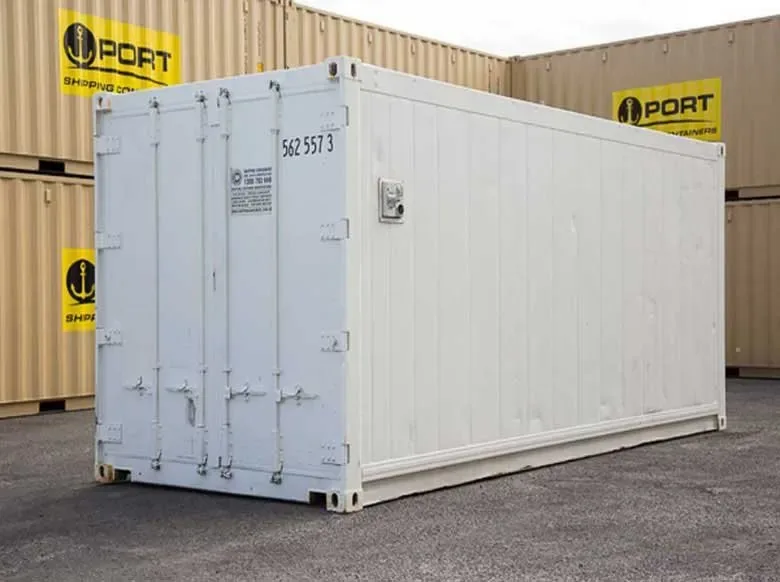
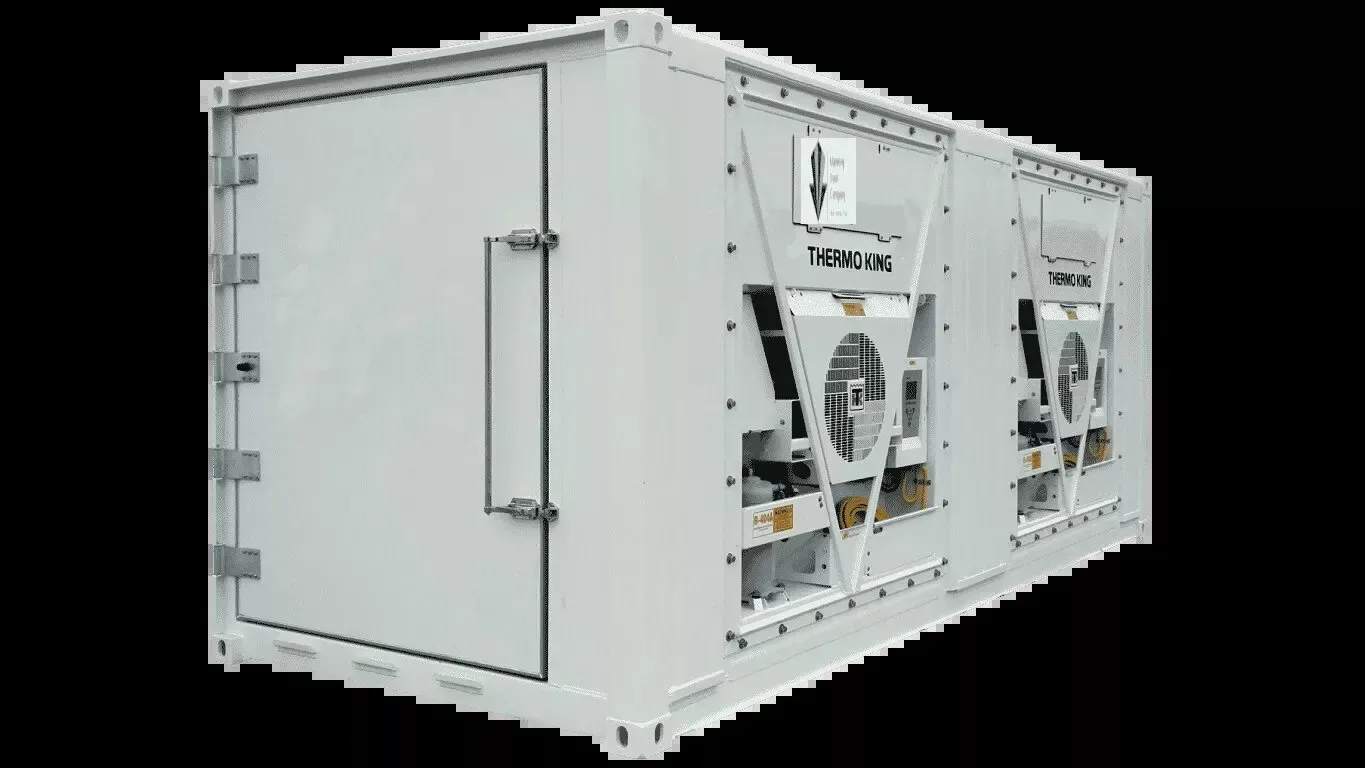
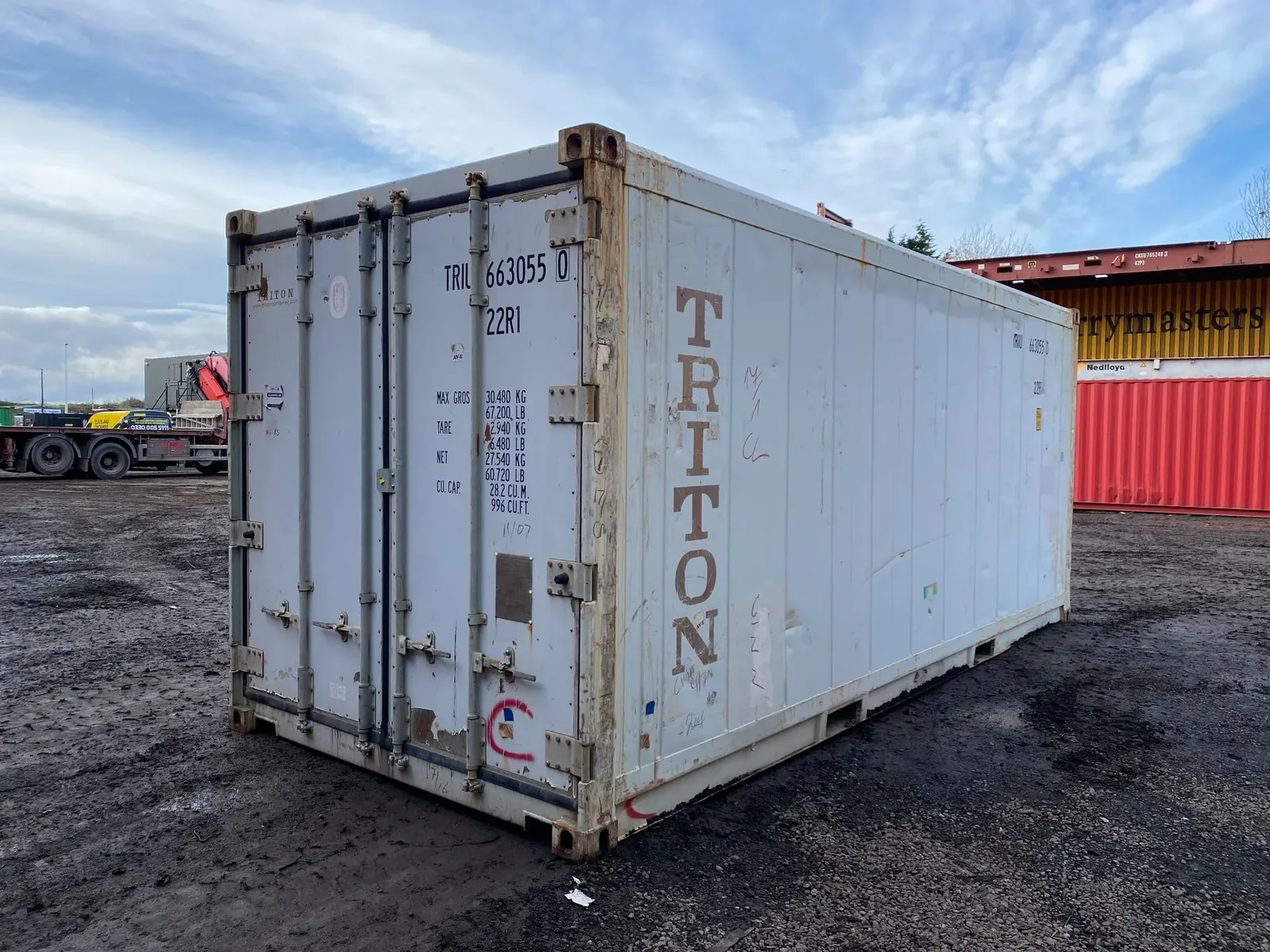
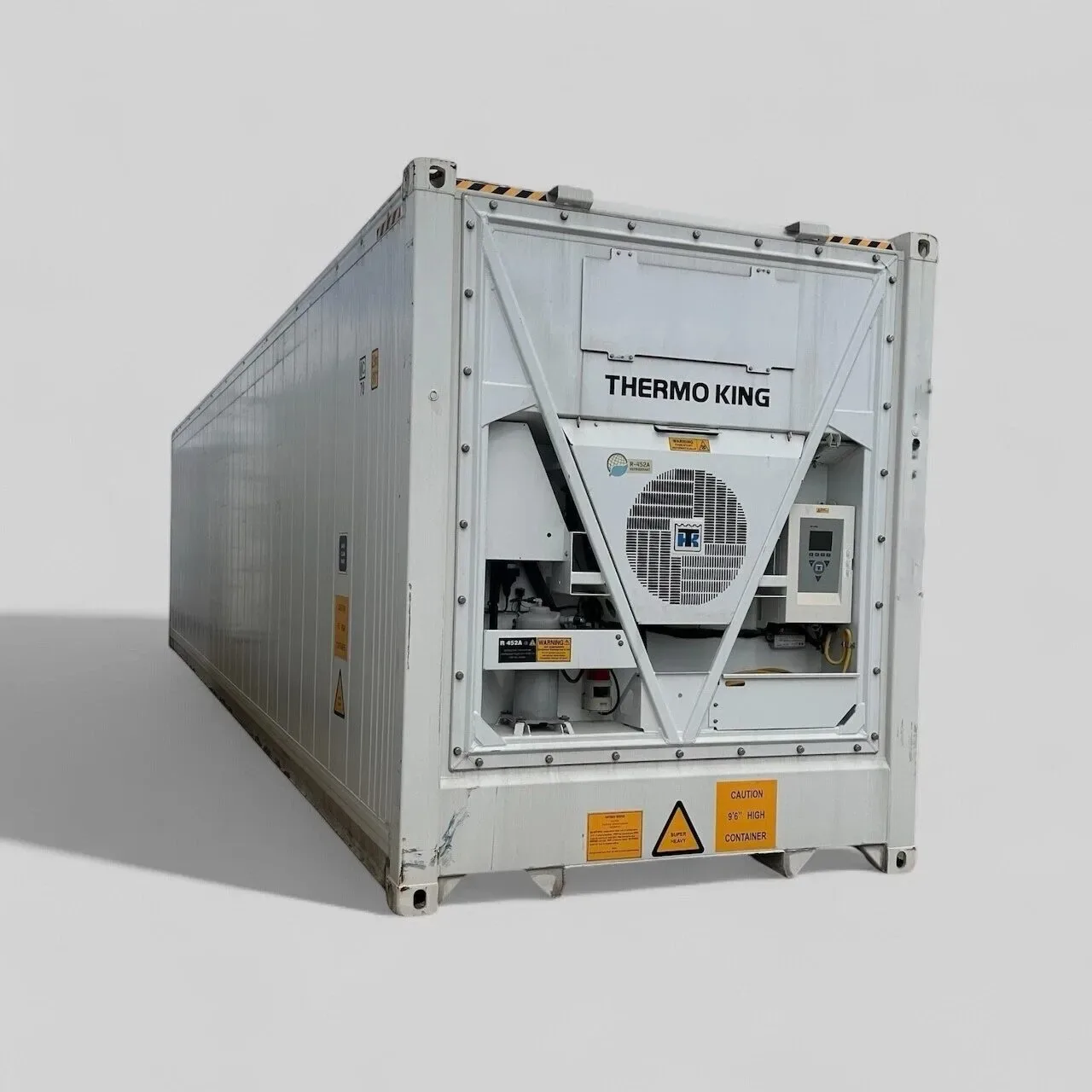
A refrigerated container is a steel box with its own refrigeration unit bolted to one end. In Phoenix it does work a dry container cannot: holding produce, meat, dairy or floral at temperature through a summer where the box would otherwise sit at 140°F inside by mid-afternoon. We see them go to caterers and commissary operators, restaurant and grocery overflow, farms and produce packers, event and festival suppliers, and food businesses that need cold space for a season rather than a building.
Two different jobs, and the listing tells you which one a unit is set up for. A cooler holds product at chilled temperature. A freezer unit, including the blast freezer models, pulls down far colder and needs more power to do it. Read the temperature range on the listing before you compare two units on anything else.
The power spec is the first thing to check
Reefer units are not plug-and-play like a chest freezer. Each listing states its own electrical requirement, and they are not all the same. Some of the cold storage and blast freezer units in our catalogue call for three-phase power, and the voltage and phase are printed in the listing title or specs. A 460V three-phase unit will not run off a shop panel, and no amount of extension cord fixes that.
So before you buy, do this in order:
- Read the voltage, phase and amperage off the unit's listing.
- Ask an electrician in the Valley what it costs to bring that service to where the unit will sit. The run from the meter is often the biggest line on the job.
- If the site has single-phase only, look at a unit that matches it rather than planning a conversion.
- Plan the connection as a permanent, weatherproof supply. A reefer running on a temporary cord through a Phoenix summer is a fire risk and a service call waiting to happen.
Ambient heat matters too. A refrigeration unit rejects heat through its condenser, and it works harder on a 115°F day than on a 75°F one. Units that are set to run near their limit on the hottest afternoons will cycle constantly and burn through power. Size up, not down.
Setting a cold storage unit on desert ground
The ground here is not the ground in the Carolinas. Caliche, decomposed granite and blown sand all behave differently under a loaded container, and a unit that settles out of level will strain its doors and its refrigeration lines.
- Firm, level, dry base. Compacted gravel, crushed rock or a concrete pad. Not bare sand, and not a spot that ponds during monsoon season.
- Shade the unit, not the condenser. A shade structure over the box cuts the heat load and the power bill. It must not block airflow to the condenser end, which needs clear space around it and clean fins.
- Leave the service end open. You will need room to open the refrigeration unit's panels and to get a technician to it.
- Anchor it. A 20ft container is light enough to move in a monsoon gust once it is empty. Staking or anchoring is cheap insurance.
- Pre-cool before loading. Put product in a box that is already at temperature. Loading warm product in the sun is how a unit gets behind and never catches up.
Getting the truck in
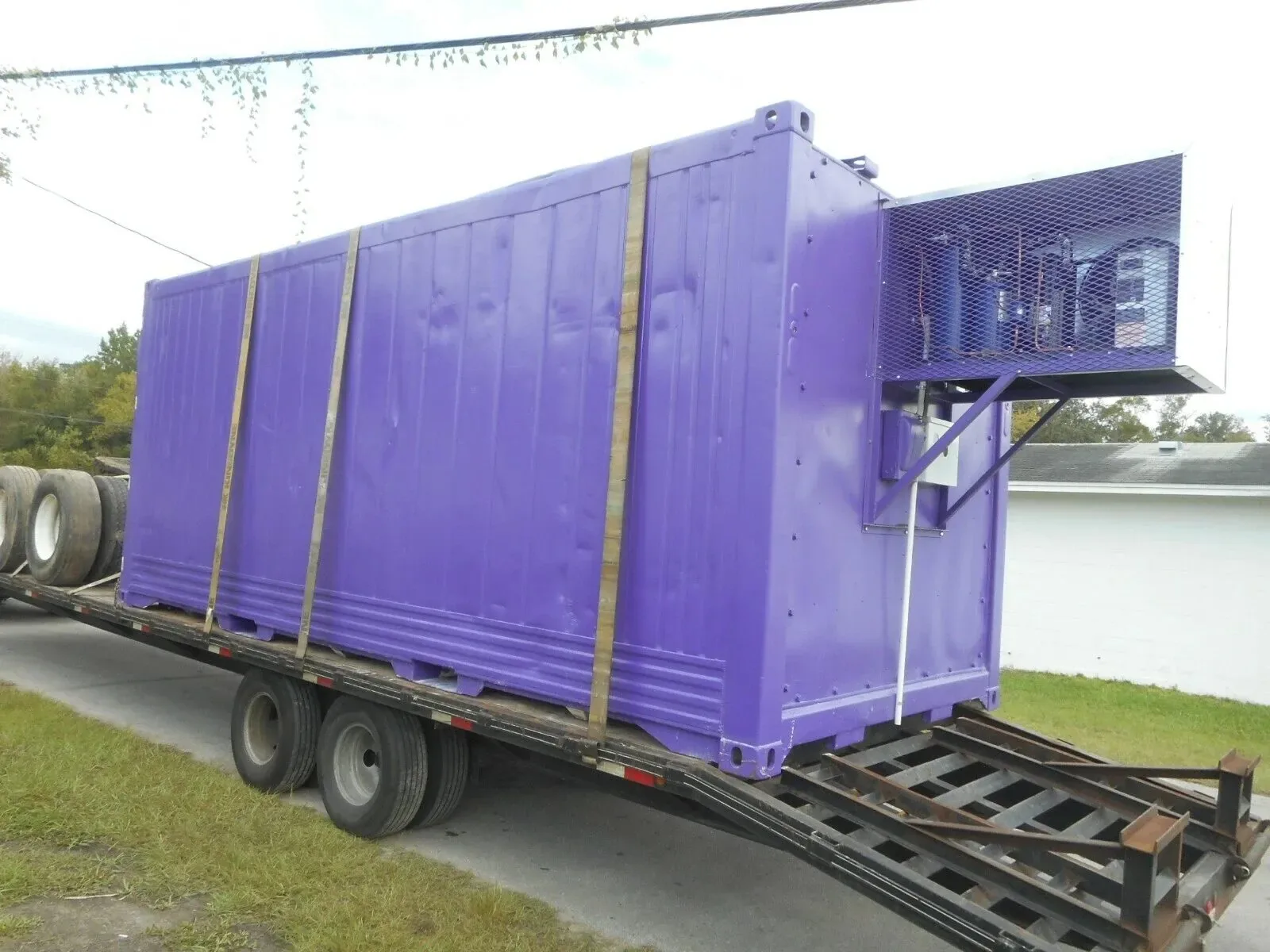
Units arrive by tilt-bed, flatbed or step-deck with a crane, depending on size and site. A tilt-bed drop needs about 75 ft of straight clear run for a 20 ft container and about 110 ft for a 40 ft, plus 14 ft of overhead clearance and firm, dry ground under the wheels. That last part is the one Phoenix addresses trip up on: a graded lot off a dirt road can look solid in the morning and cut up under a loaded truck. If you are not sure the truck can get in, send us a photo of the approach and where you want the unit; we would rather look at it before dispatch than on the day.
Freight from Concord, NC to Phoenix
Every unit ships from 1122 Matchstick Pl SW, Concord, NC 28025. Phoenix is roughly 2,050 miles of highway from the lot, most of it on I-40 west through Memphis, Little Rock, Oklahoma City, Amarillo and Albuquerque before dropping south on I-17 into the Valley. That is not a local delivery, and we do not pretend it is.
Arizona sits in our published window of 7–18 business days after dispatch, and a crane or oversized unit can push the far end of that. Dispatch happens 2–5 business days after payment clears. The delivery figure itself is quoted to your ZIP and appears on the invoice, in writing, before you pay anything — so you know the freight before the truck is booked, not after.
If you are close enough to drive it, pick-up at the lot is free and units can be inspected here by appointment.
The units
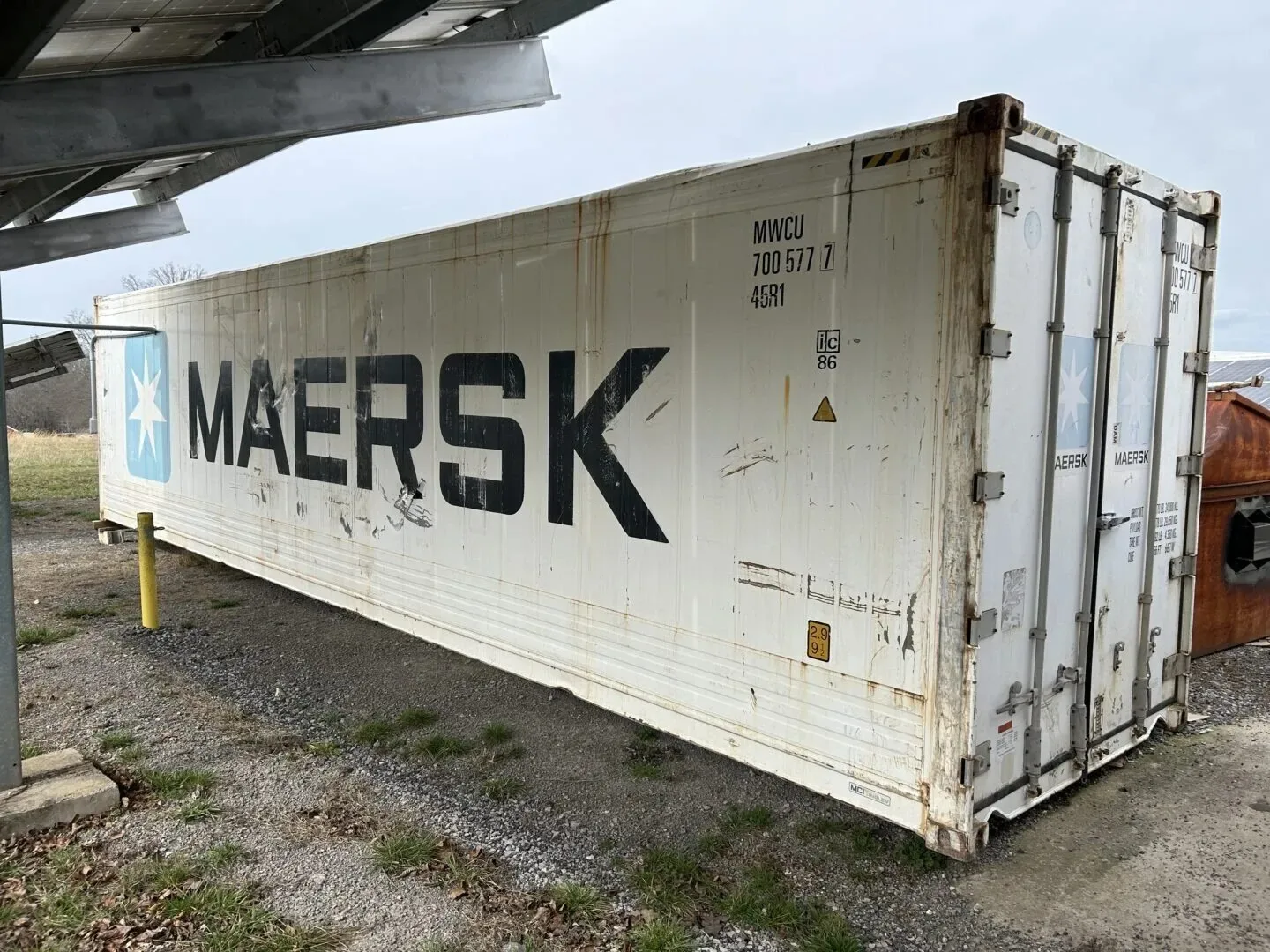
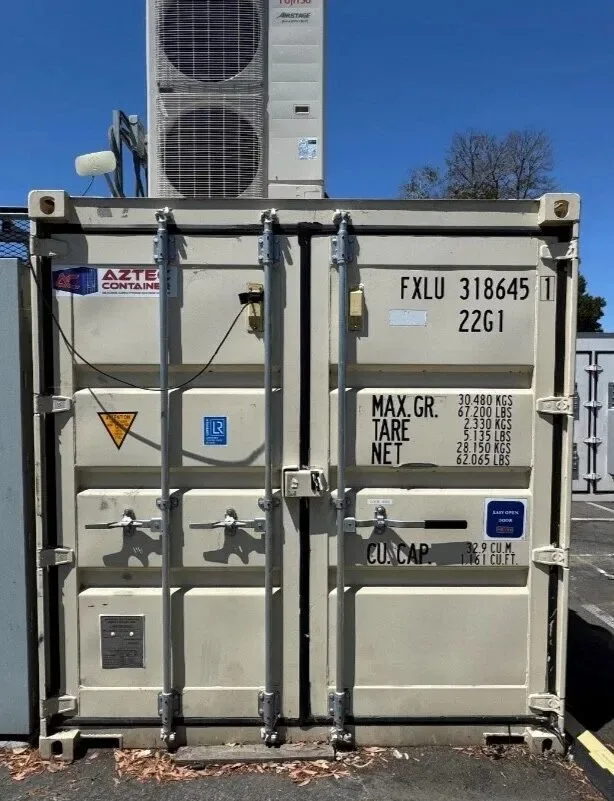
Our cold storage range runs from a 10 ft compact freezer unit up through 20 ft, 30 ft and 40 ft reefers, in used and one-trip condition, with Thermo King, Carrier and Daikin refrigeration units on various listings. The 20 ft box is the usual choice for a first unit: it fits on a smaller pad, needs a shorter clear run for the tilt-bed, and draws less power. Go to 40 ft when the volume is genuinely there and the electrical service can carry it.
Full range on the insulated container and reefer container pages, and the short version of how container sizes and grades work is in the buyer's guide.