Which office container fits an Atlanta site
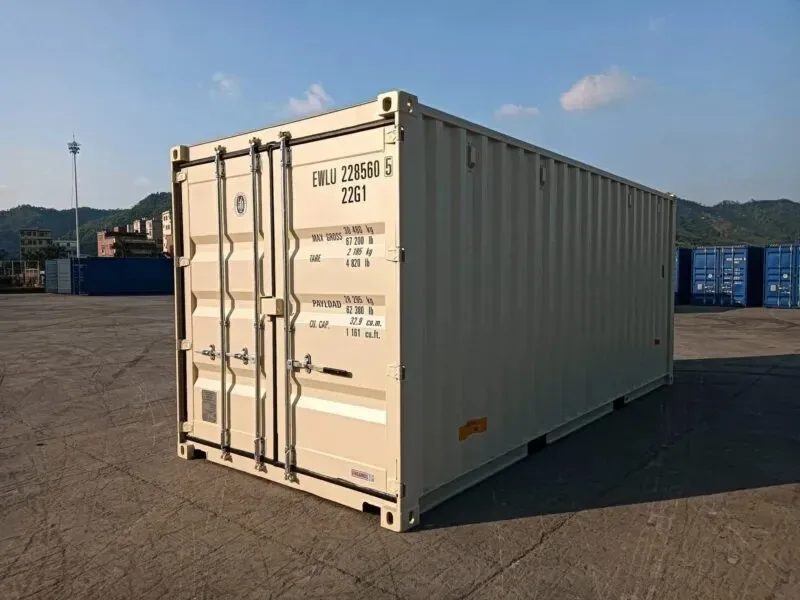
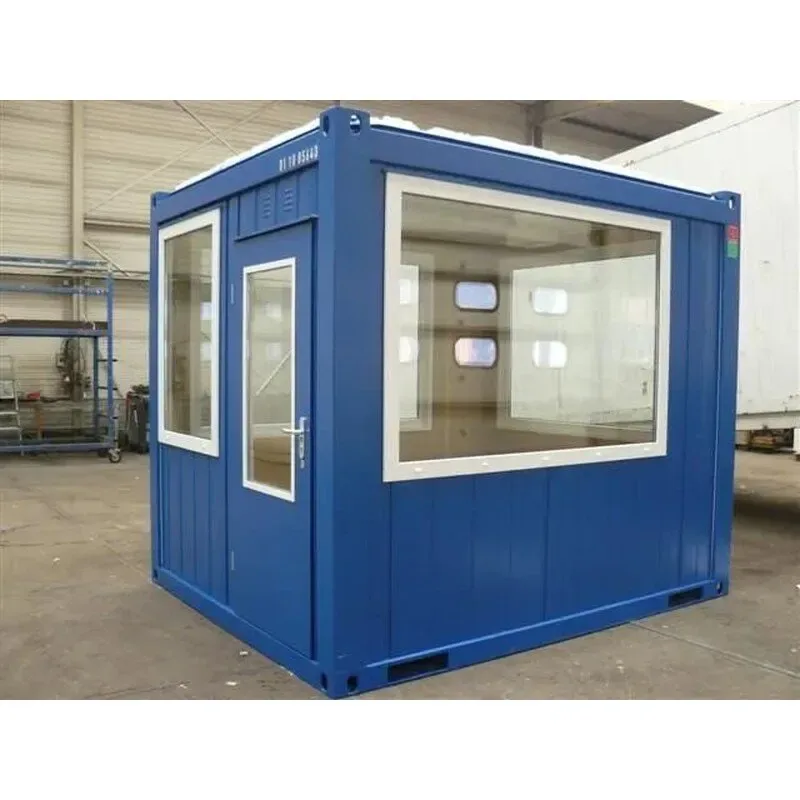
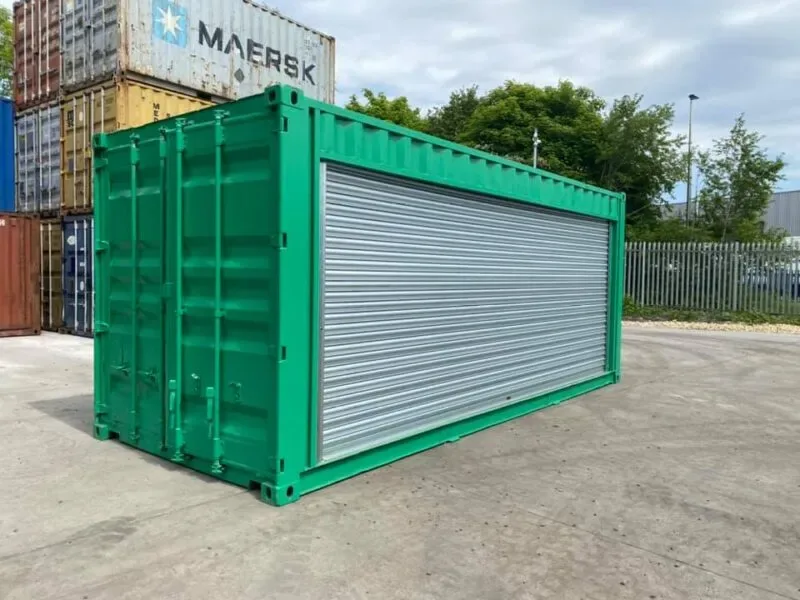
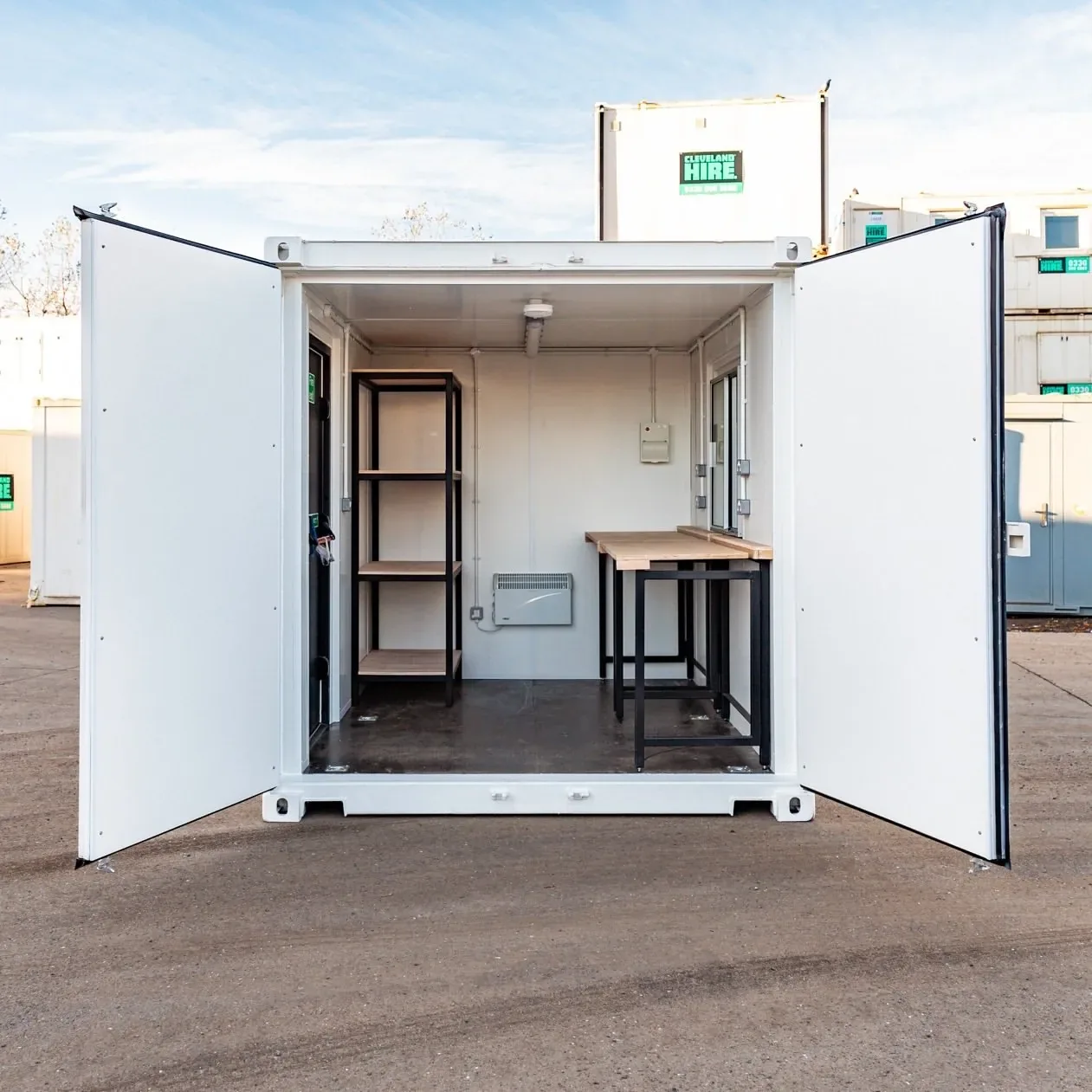
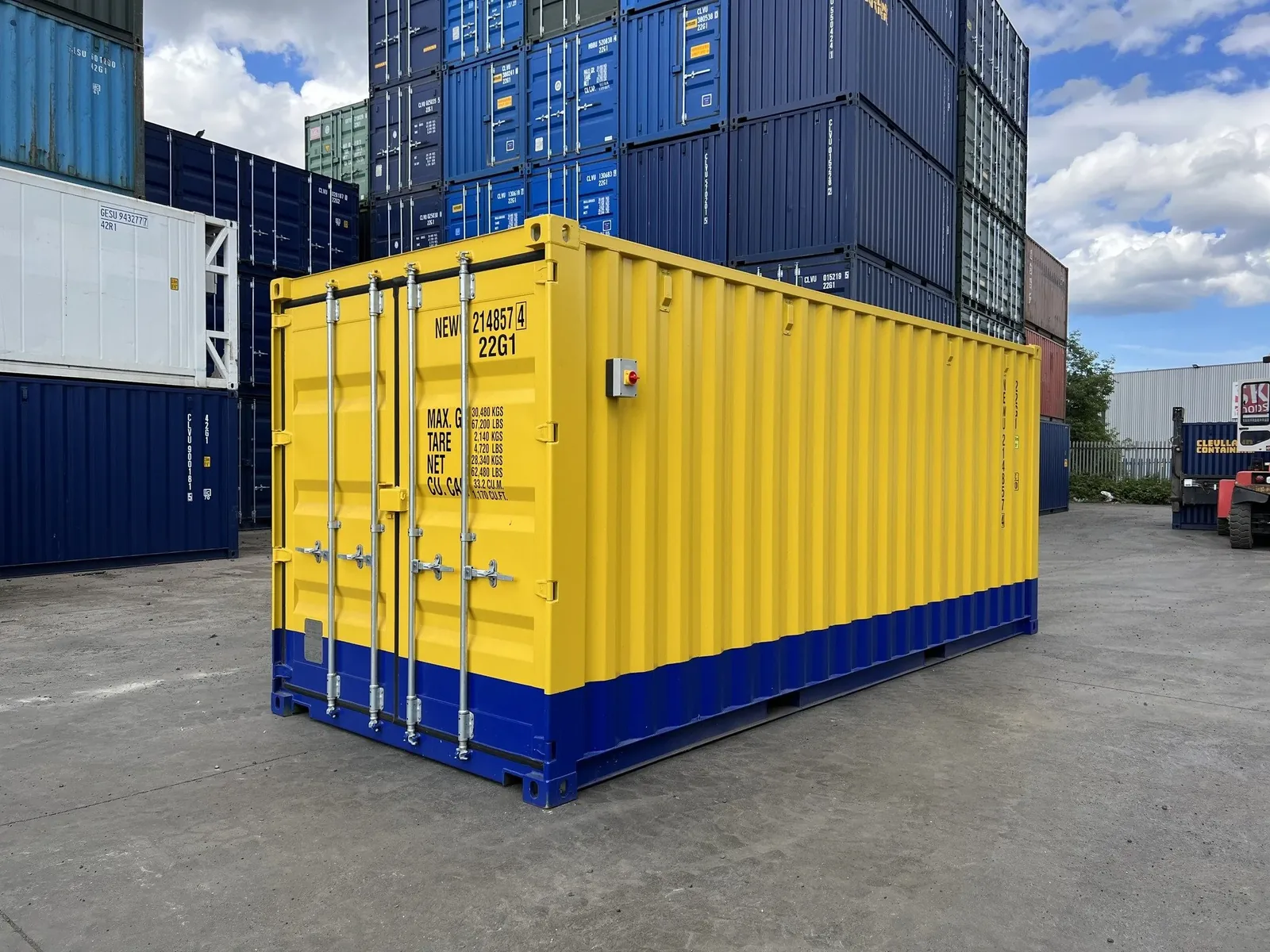
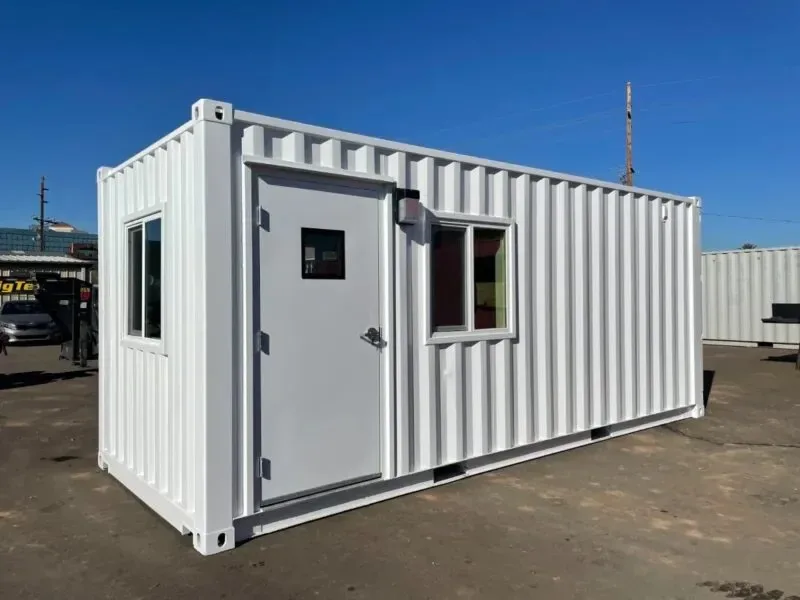
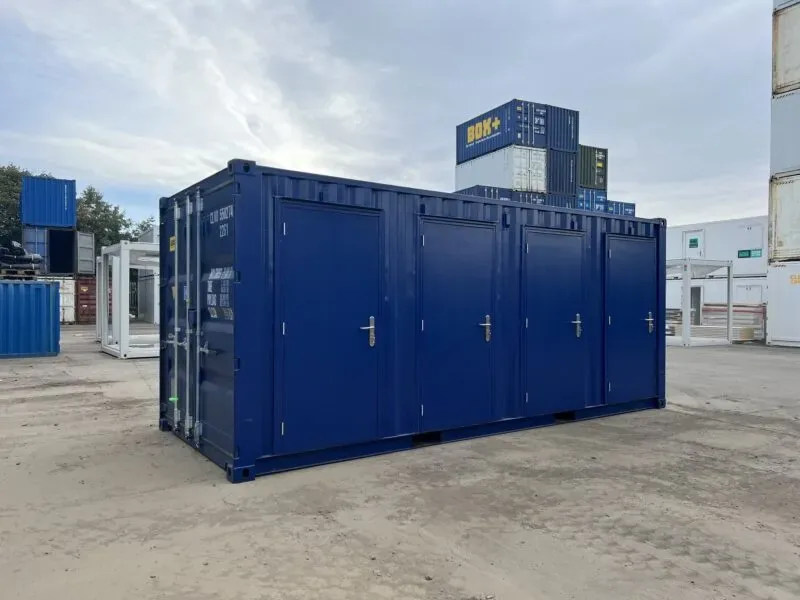
Most metro Atlanta buyers land on one of three sizes. A 10 ft unit — the ModiBox Office or a 10 ft workshop/office build — works for a gatehouse, a ticket window or one supervisor's desk where the lot is tight. A 20 ft open-plan office, or a 20 ft office built into a refurbished container, takes two to four desks, a small meeting table and a window wall. A 40 ft unit with an ADA restroom is the one for a longer build where the GC needs a real site office with plumbing in it.
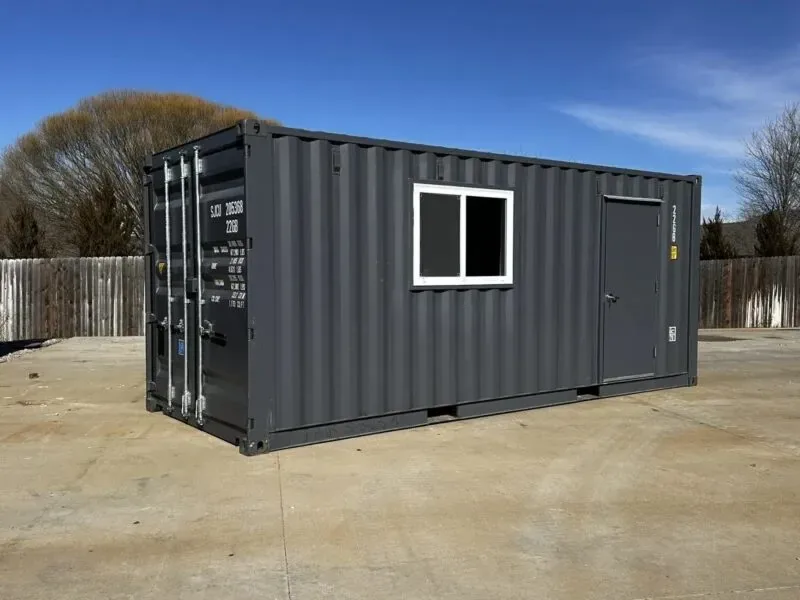
For a shop office out in Gwinnett or a backyard office inside the perimeter, the 20 ft slate gray shiplap unit with a mini split is the finished option: insulated, wired for 120V, paneled inside, so it arrives as a room rather than a shell. Lunchroom containers are the same idea with a different fit-out, and they come in 20 ft and 40 ft.
Look at the whole range on the modified and office containers page, or start from the Offices & Cabins department.
The ground under it: red clay and sloped lots
Metro Atlanta sits on red clay, and the clay is what catches people. Bone dry, it is hard enough to set a container on blocks and be done. Wet, it turns slick and soft, and a loaded tilt-bed will cut ruts through a lawn or a graded building pad that was fine on Friday.
What an office container needs is firm, dry, level ground — not a fresh scrape that has not been compacted. Four corner blocks or a gravel pad, with the pad graded so water runs away from the unit rather than sitting under it. A 20 ft unit carries its load on four points; if the clay under one of them is soft, the frame twists and the door stops closing square.
Slope is the other half of it. A lot that falls two feet across the pad needs cutting or a gravel build-up before the truck arrives. A container does not shim and re-level the way a mobile home does. If the fall is steeper than that, plan on a pad, not on blocks.
The tilt-bed run
Units are delivered by tilt-bed, flatbed or step-deck depending on the size. A tilt-bed backs in, tips, and the unit slides off the deck. That takes a straight clear run behind the truck — about 75 ft for a 20 ft unit and about 110 ft for a 40 ft — plus 14 ft of overhead clearance for the boom and for limbs. Firm, dry ground, because the truck itself is heavy and the clay is not.
On a tight intown lot, the run is the thing to measure, not the gate. Walk the line the truck will take from the street to the pad and check for low wires, tree canopy, parked equipment and a fence that will not swing wide enough. If there is no run at all, the unit comes off with a crane instead — say so when you order, because it changes the truck and the quote.
Permits: city and county both matter
A sealed storage container on private property and an occupied office are treated differently almost everywhere. Atlanta addresses fall under the city and under Fulton, DeKalb, Cobb, Gwinnett, Clayton or Douglas county depending on where the site sits, and each of those handles it in its own way. Generally the jurisdiction wants to know where the unit sits, how it is anchored, and what it is used for. An occupied office with power, water or a restroom draws more attention than a box nobody goes inside.
Ask before the unit ships, not after it lands. A call to the county's planning or permits desk with the address and the intended use settles it in ten minutes. We can tell you what the unit is and what it weighs; the ruling is theirs.
Power, cooling and water
Finished units arrive wired for what the listing states — the shiplap office is 120V with a mini split; shell and custom builds are wired to your spec. Atlanta summers are hot and wet, and a bare steel box in July is an oven by ten in the morning. Insulated walls and a mini split make it a room you can work in; skipping both means a fan and a short day.
You will need a power drop or a generator sized for the unit, and if the build includes a restroom, a supply line, a drain and a plan for the waste. None of that comes with the container unless the listing says it does.
Getting it from Concord to Atlanta
The lot is about 250 miles from downtown Atlanta: I-485 out of Concord, then I-85 South through Greenville and on into Gwinnett. Put a car on it and you are looking at roughly four and a half hours.
Georgia sits in the published 4-10 business day transit window after dispatch, and dispatch runs 2-5 business days after payment clears. Freight is quoted to your ZIP and shown in writing on the invoice before anything is paid — an address off I-285 and one out past Lawrenceville do not price the same, and nobody can give you a real number without the ZIP.
If you would rather collect it, pick-up at the lot in Concord is free, and units can be inspected there by appointment. Orders can be cancelled at no cost before dispatch. Read the delivery policy for the full picture.
What to have ready before the truck rolls
- The delivery address, and the gate width and height if there is one.
- A photo of the pad, or of the spot you intend to make into one.
- The run from the street to the pad, measured roughly in feet.
- Where the power is coming from.
- A name and a phone number for whoever meets the truck.
Nothing is charged on this website. Checkout sends an invoice, and you pay by ACH or wire, Zelle, or a secure card payment link. See payment methods.