What the extra foot actually buys
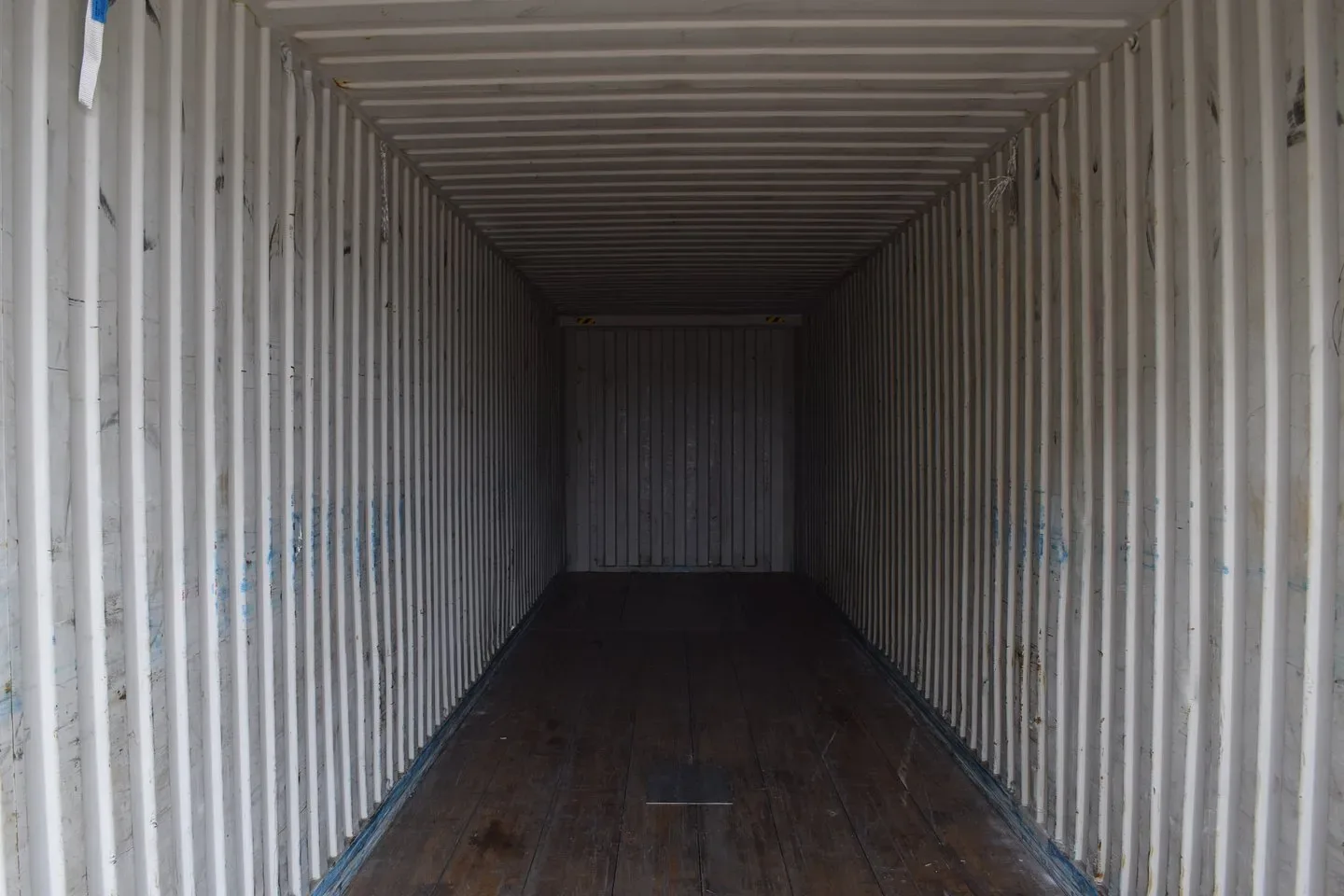
A standard container is 8 ft wide and 8 ft 6 in tall. A high cube is the same 8 ft wide and 9 ft 6 in tall. Same footprint, same corner castings, same handling on the truck. Inside, that foot of height runs the whole length: a 40 ft standard holds roughly 2,390 cubic feet, a 40 ft high cube roughly 2,690.
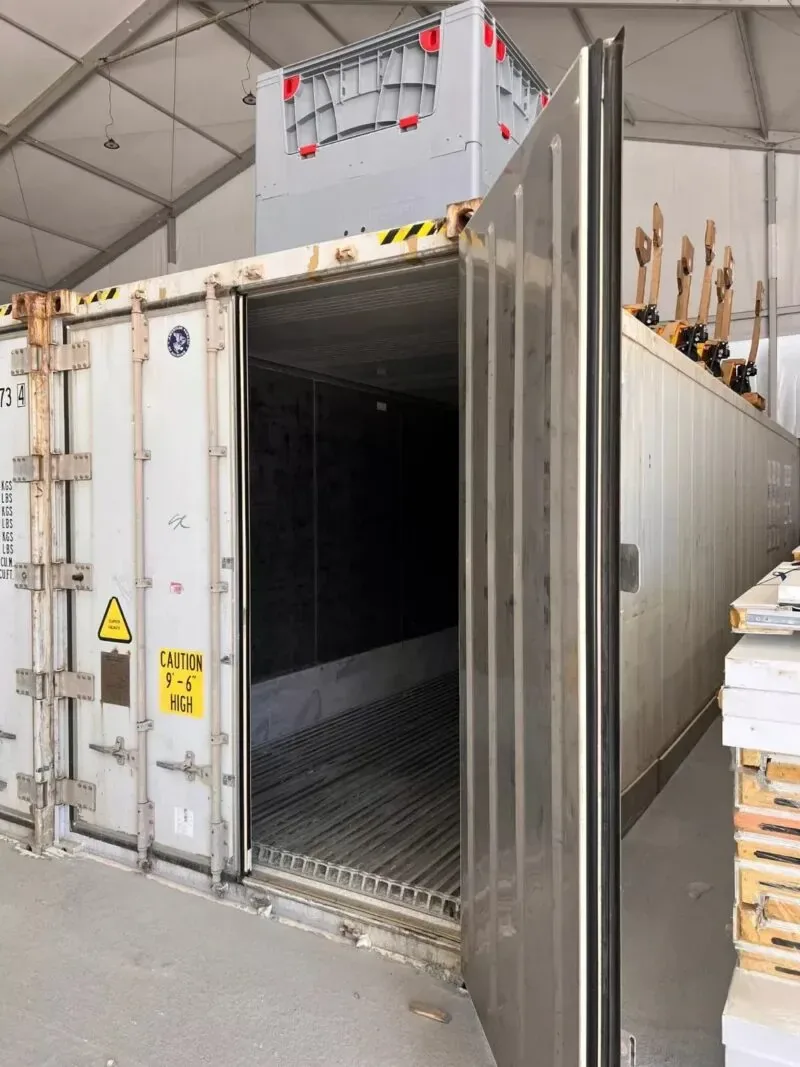
The part most buyers notice is the door opening, which is about a foot taller on a high cube. If you are walking in and out of the box all day, or rolling a loaded hand truck over the threshold, that is the difference between a door you duck through and a door you use.
What it does not give you is more floor. If you are storing a car, a skid steer or anything that has to sit flat under its own height, a standard box is the cheaper answer. High cubes pay off on stacked pallets, tall racking, insulation headroom, an office fit-out, or light bulky goods.
Where a box can land in Los Angeles
Our trucks set down by tilt-bed. A 20 ft unit needs about 75 ft of straight clear run, a 40 ft needs about 110 ft, plus 14 ft of overhead clearance and firm, dry ground. On a lot in Wilmington or a yard off Alameda Street that is usually easy. On a residential street it is the last 200 ft that decides it.
Three things stop a delivery in this city:
- Hillside streets. The roads through Silver Lake, Echo Park, Mount Washington and the Hollywood Hills are narrow and winding, and the city's own street design guide treats hillside locals as a separate, narrower class from the 40 ft hillside collectors. Very few of them have 110 ft of straight run.
- Posted weight limits. Plenty of hillside streets carry a "no vehicles over 6,000 lbs" sign. A loaded tilt-bed carrying a 40 ft high cube is far past that.
- Overhead. Service drops and distribution lines cross alleys and driveways all over the basin, and ficus and jacaranda canopy hangs low. The box is 9 ft 6 in; what has to clear is the deck plus the box, so measure the wire, not the container.
If the truck cannot tip the box inside your gate, the honest options are a shorter box, a crane, or a different placement. We would rather work that out from photos before dispatch than find out at the curb.
Right-of-way, permits and the 6% grade rule
A container sitting on your own property is a conversation between you and the city. A container sitting in the street, the alley or the parking lane is a right-of-way permit — handled by the city's Bureau of Street Services inside Los Angeles, and by LA County Public Works outside the city limits.
Los Angeles County's temporary storage container guidelines are a fair preview of what any of these permits will ask: no container on a street with grades over 6%, none within 15 ft of a crosswalk, none on a sidewalk, none where parking is prohibited, 3-inch reflectors on the corners facing traffic, the box locked, and the container company's name and phone number displayed. The short version: plan for the box to land inside the gate, not at the curb.
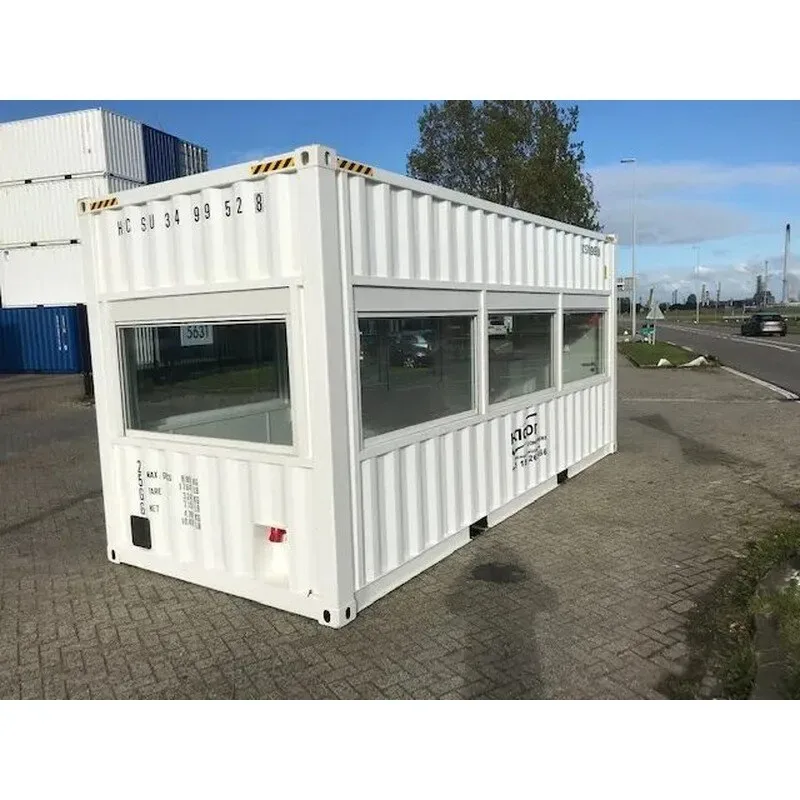
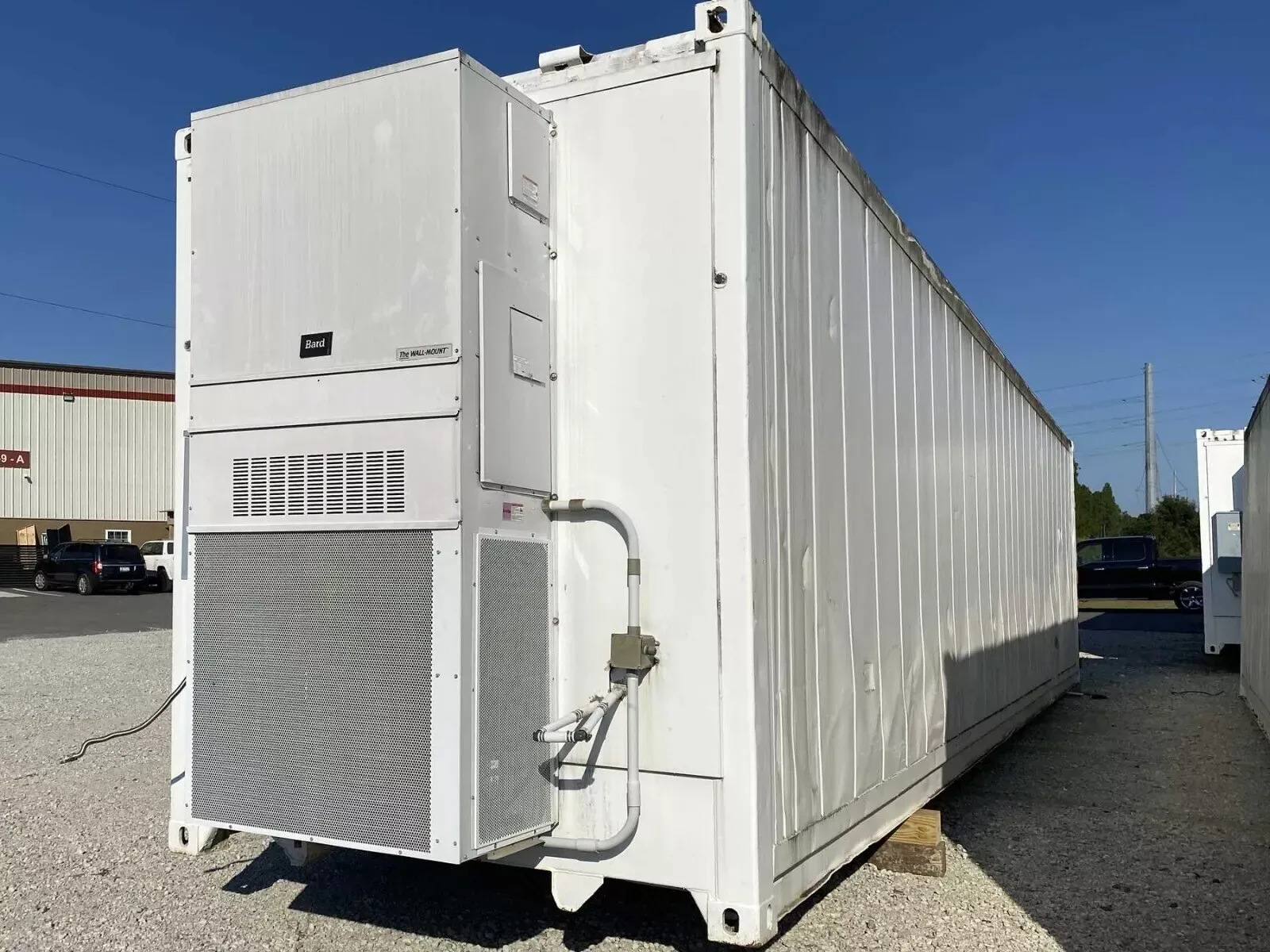
If the box is going to be lived in, worked in or wired for power rather than used for dead storage, that is a building permit question for the Department of Building and Safety, and it starts with the zoning of the parcel.
The route out of Concord and the California window
It is roughly 2,450 miles: I-85 down to I-40, then I-40 across Tennessee, Arkansas, Oklahoma, the Texas Panhandle, New Mexico and Arizona, and finally Barstow and I-15 down into the basin. We publish 7-18 business days after dispatch for California, and longer where a crane or an escort is needed.
Dispatch is 2-5 business days after payment clears. Nothing is charged on the website — checkout sends an invoice, and payment is by ACH or wire, Zelle, or a secure card link. Orders can be cancelled at no cost before dispatch, and damage reported within 48 hours of delivery is repaired, replaced or refunded with return freight on us. The delivery policy has the detail.
What we actually have in high cube
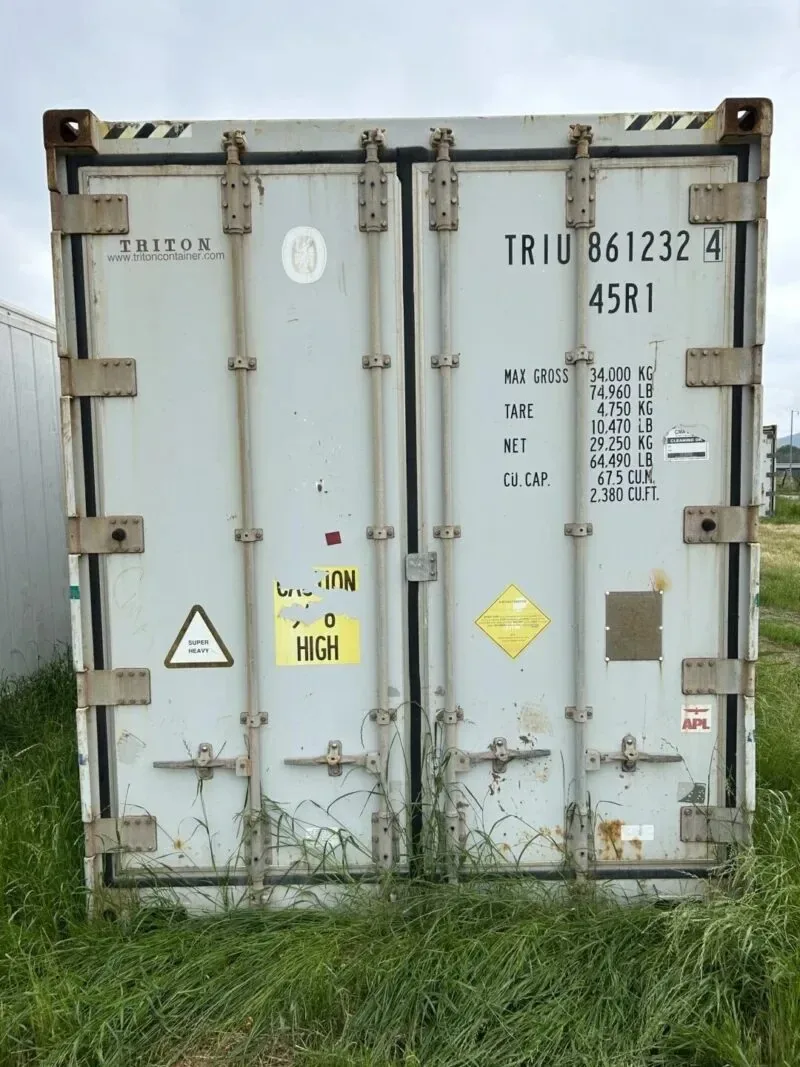
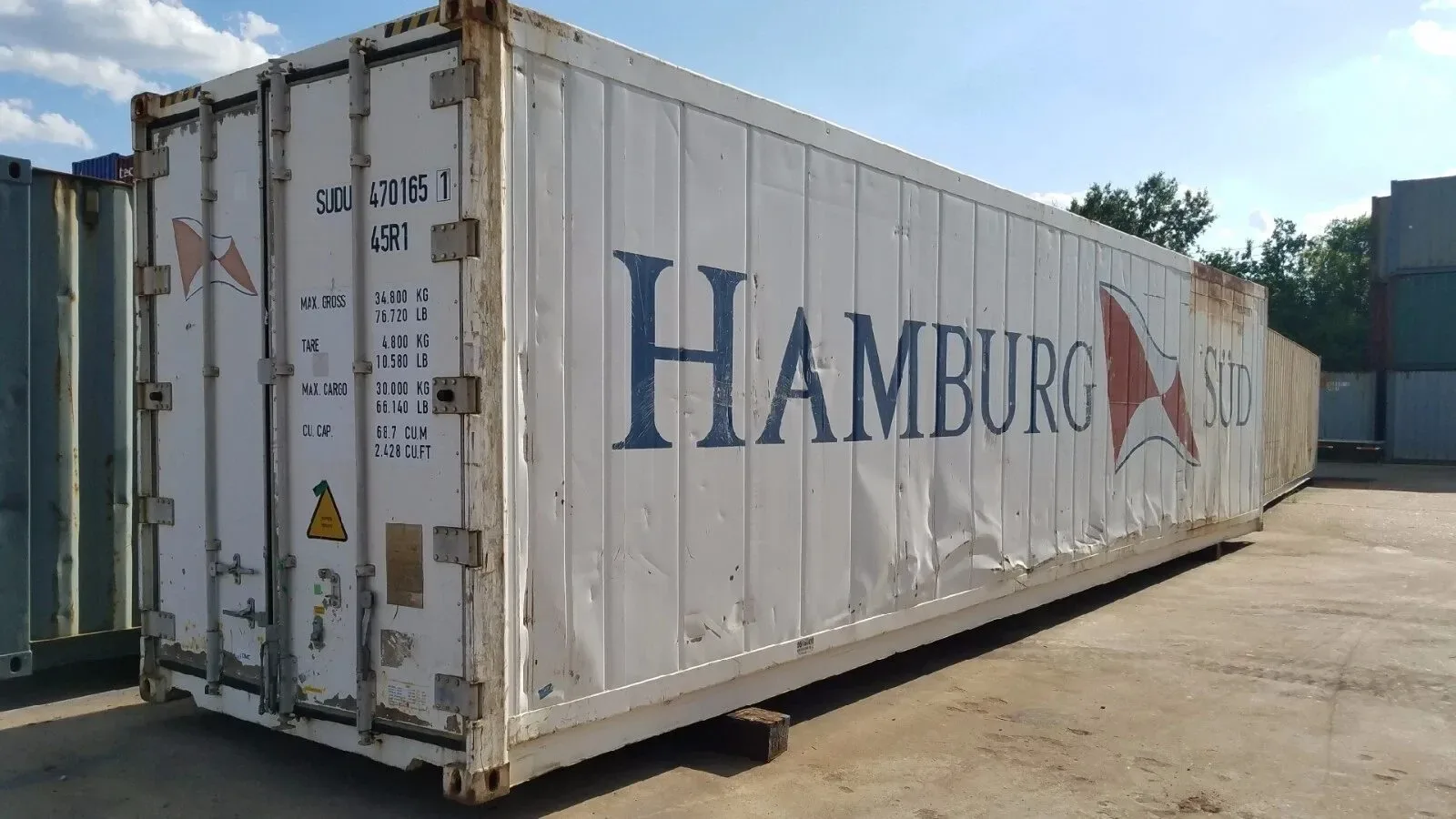
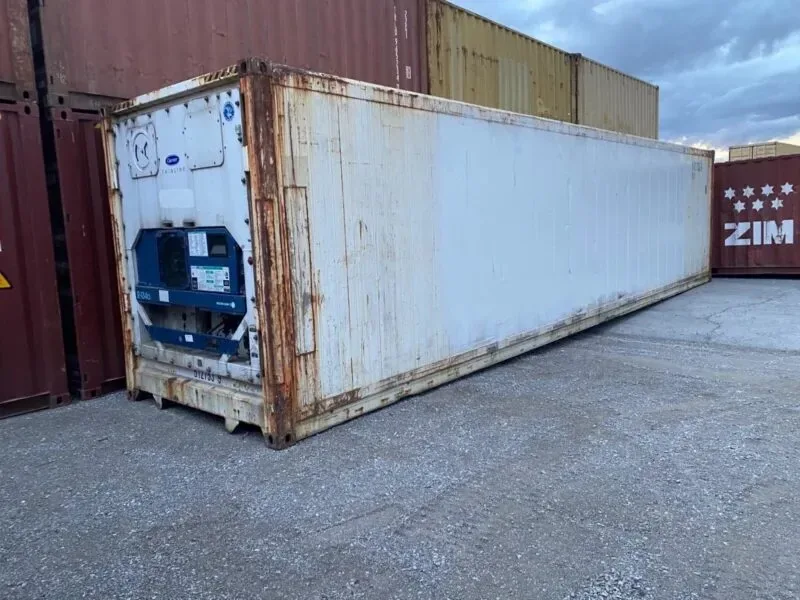
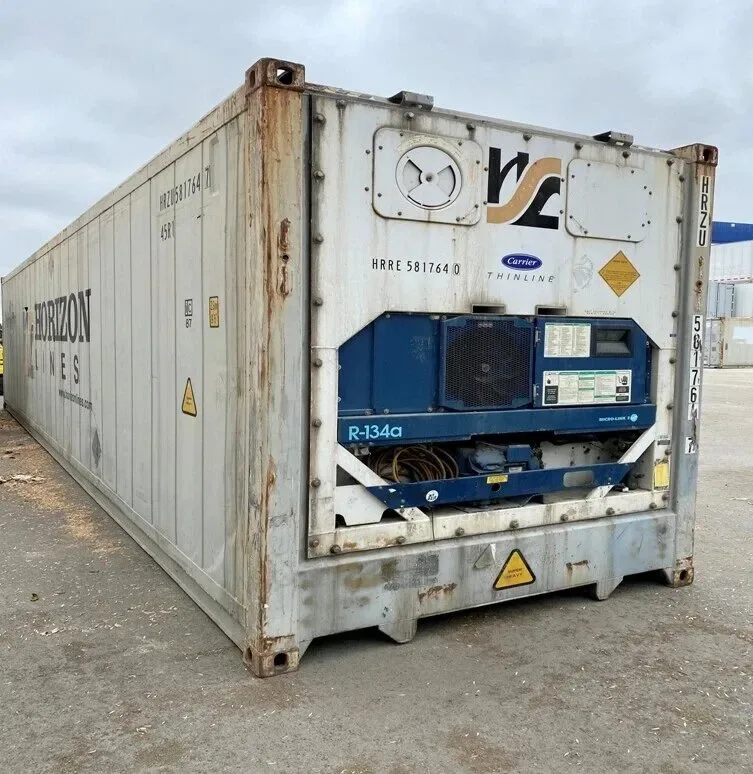
The high cube list runs from 20 ft one-trip boxes up through 40 ft and 45 ft, plus 53 ft steel units and used 40 ft high cubes in wind and watertight grade. Two grades do most of the work:
- One-trip — a single voyage behind it, near-new floor and doors, the grade to buy if the box is going to be seen or converted.
- Used, wind and watertight — dents and surface rust, still dry inside, the cheaper answer for a yard.
Los Angeles is the busiest container gateway in the country, so used steel is never scarce here. The comparison worth making is condition, not availability: what a one-trip box costs against a used one, and what you get inside for the difference. Every unit is photographed and priced in dollars on our high cube page before you call.
Ground, before the truck arrives
A high cube needs the same foundation as any box: firm, level, dry ground, with the corners on solid bearing — compacted base or timber bearers, not loose fill, and not the low corner of a lot that ponds in winter rain. In the basin that usually means clay; in the hills it means decomposed granite and a grade that will not hold a 9 ft 6 in box level without blocking. Do not set one over a drainage swale or against a slope without talking to someone first. The buyer's guide covers site prep, and 20 ft against 40 ft is worth a look before you pick a length.