What a reefer does in Miami that a dry box cannot
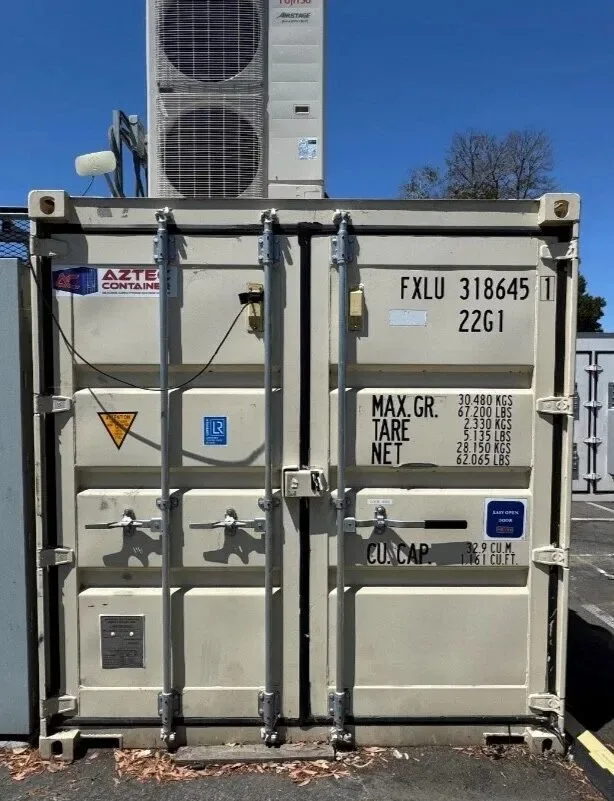
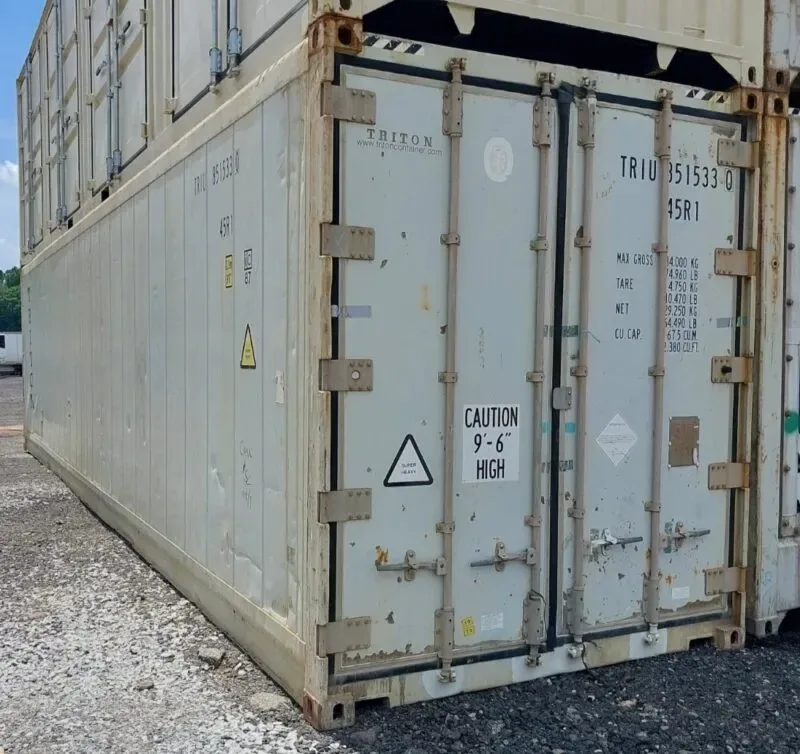
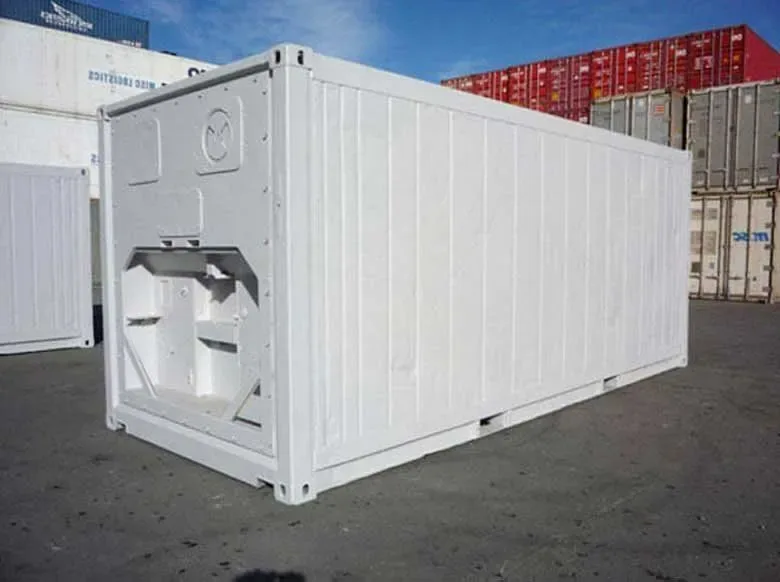
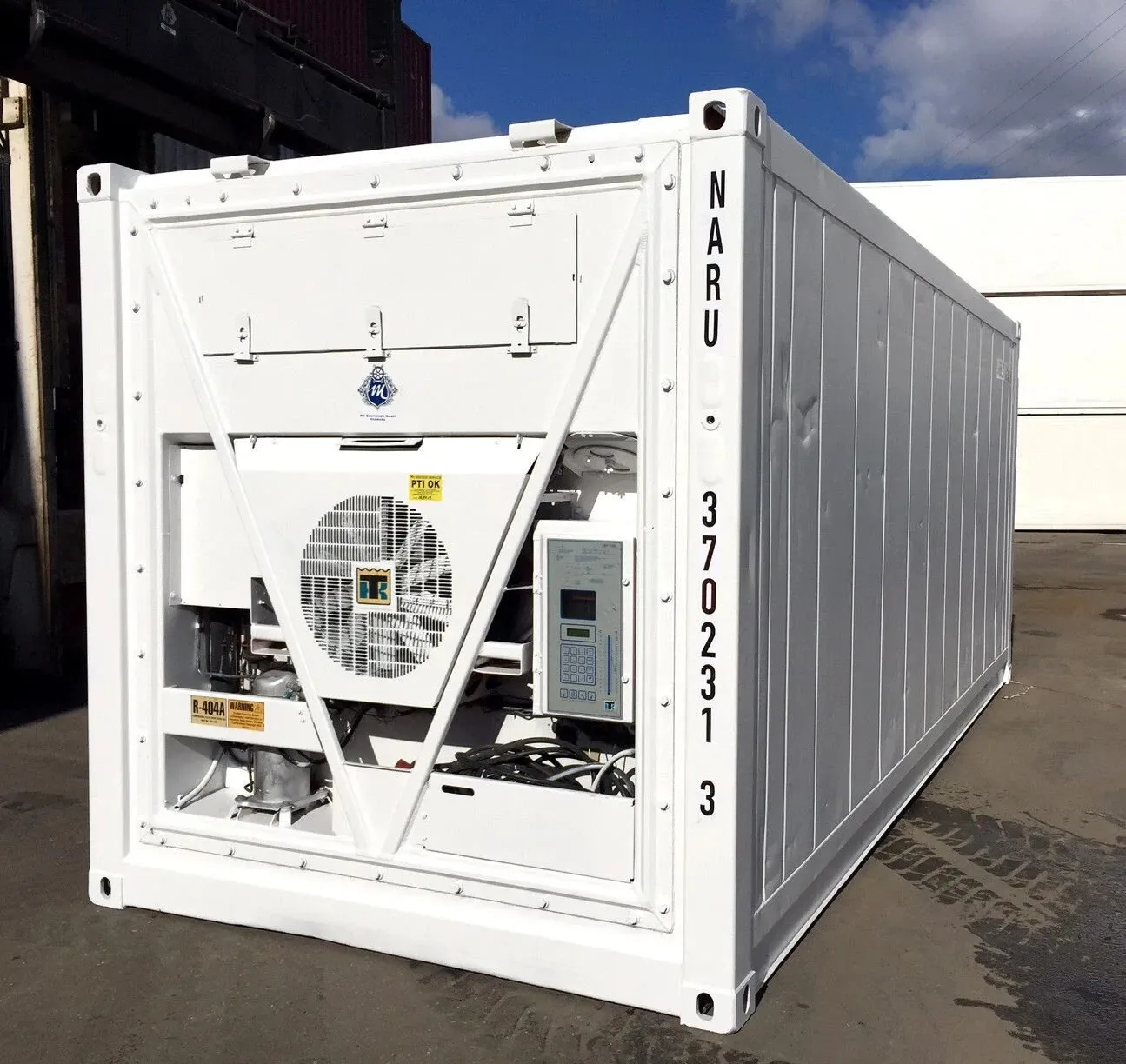
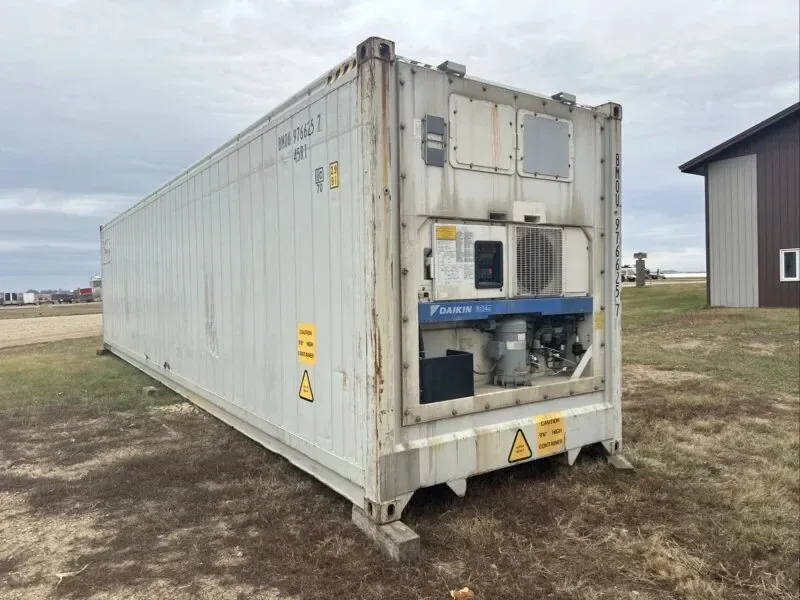
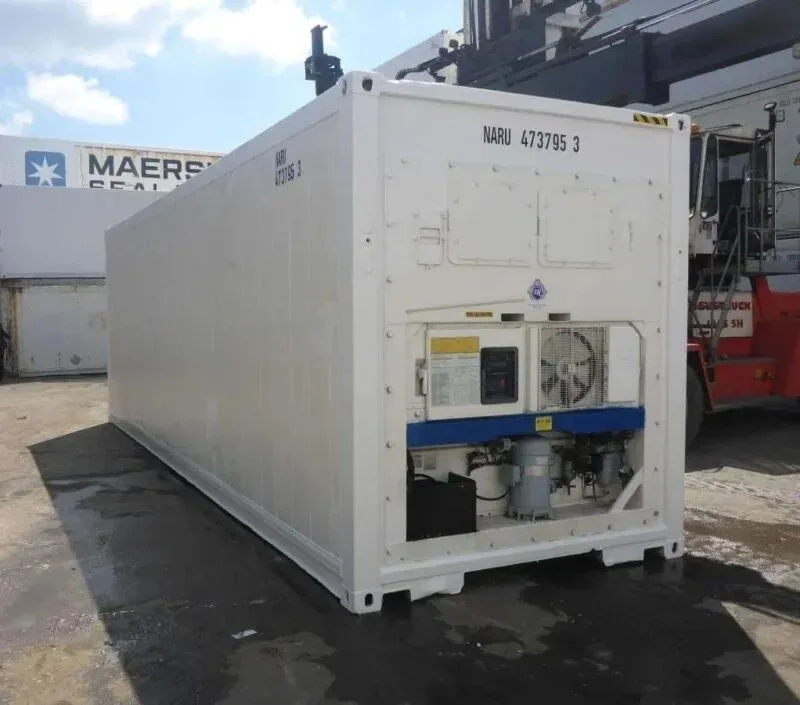
A refrigerated container is a steel box with its own refrigeration unit bolted to one end. In South Florida the case for one is not the cold snap, it is the other ten months. A dry container sitting in the sun off the Palmetto or out on Krome Avenue will hit well over 120°F inside by early afternoon. That is fine for lumber and bad for everything else.
The buyers we ship reefers to here are the ones with product on a clock: produce houses and packers, seafood and meat wholesalers, restaurants and commissaries carrying overflow, food truck and catering operators, and event suppliers who need cold space for a season instead of a building. A container gives them that space without a construction project.
Read the power spec off the listing first
This is the step most Miami buyers get backwards. They pick the box, then find out what it needs. Do it the other way.
- Open the listing and read the voltage, phase and amperage. Each listing states its own requirement and they are not all the same. Some reefer and blast freezer units call for three-phase power at a stated voltage, which a house panel or a small shop service will not carry.
- Have an electrician in Miami-Dade price the service run to where the box will actually sit — the distance from the meter to the pad is usually the biggest line on the job.
- If the site is single-phase, buy a unit that matches it. Converting a 460V three-phase reefer to run off a single-phase service is not a cheap or sensible plan.
- Plan a permanent, weatherproof connection. A cord run across a wet yard through a Miami summer is a fire risk, and it will not survive the rain.
The temperature range matters just as much as the power. A cooler unit holds product chilled; a freezer unit pulls down far colder and works harder doing it. Compare two units on the range they are set up for before you compare them on anything else.
Heat, humidity and salt air
A reefer rejects heat through its condenser, and it works harder on a 95°F day with 90% humidity than the same unit does in the Carolinas. South Florida adds two things on top of the heat:
- Salt air. Within a few miles of the coast the condenser coils and the steel around them corrode faster than inland. Keep the fins clean, wash the coil down on a schedule, and expect the refrigeration end of the box to need attention sooner here than it would in Concord.
- Condensation. Warm, wet air meeting a cold box means water on the floor, on the ceiling and around the door seals. That water rusts the floor panels and rots anything stacked against them.
Practical answers: keep the condenser end clear with room around it for airflow, stand the unit on a base that drains instead of a spot that holds water, keep product off the floor on pallets, and do not open the doors in the middle of the afternoon to show someone what is inside.
A raised, level base for Miami-Dade ground
Miami-Dade sits on limestone over the Biscayne Aquifer, and the water table is close to the surface almost everywhere. That changes how you set a container.
- Do not dig deep footings and expect them to stay dry. A hole here fills with water. A concrete pad or a compacted crushed-rock pad built up above grade is the usual answer, and it keeps the container floor out of the standing water a summer storm leaves behind.
- Get it level. A box that settles out of level strains its doors and puts twist into the refrigeration lines. Both are expensive to fix and neither is covered by anything.
- Check the flood zone. Miami-Dade has large areas mapped as flood hazard. If the property is one of them, the county's flood elevation rules decide how high the base has to be; check the address before you pick the spot, not after.
- Leave the service end open. You will need room to open the refrigeration panels and to get a technician to them.
Storm season is part of the site plan
Atlantic hurricane season runs from June 1 to November 30, and Miami-Dade is in Florida's High Velocity Hurricane Zone — a stricter wind standard than the rest of the state. Two things follow from that.
First, an empty or lightly loaded container is a sail. It needs to be anchored, and on a site where the county is involved the anchoring will be reviewed. Second, anything you do beyond storing goods — powering it as a workspace, plumbing it, putting people in it — is a building department question, not a shipping question. Miami-Dade's building department issues those permits, and it is worth a phone call before you buy rather than after the box is on the pad. We sell and deliver containers; we do not design anchors or pull permits, and we will not tell you a permit is not needed.
Getting the truck into the site
Units arrive by tilt-bed, flatbed or step-deck with a crane, depending on size and site. A tilt-bed drop needs about 75 ft of straight clear run for a 20 ft container and about 110 ft for a 40 ft, plus 14 ft of overhead clearance and firm, dry ground under the wheels.
Miami sites are where that gets interesting. Narrow lots, a canopy of oaks or palms over the drive, a gate code, a shared alley, a condo or HOA board that wants to know what is arriving and when. None of that is a problem if we know about it. Send a photo of the approach and where you want the unit, and say plainly whether the ground is asphalt, concrete, shell, gravel or grass after rain.
Freight from Concord, NC to Miami
Everything ships from 1122 Matchstick Pl SW, Concord, NC 28025. Miami is roughly 745 miles by road from the lot, about 12 hours of driving: I-77 south out of Concord, I-26 east to I-95, then I-95 south through Georgia and on past Jacksonville before Florida's Turnpike takes you down into Miami-Dade. That is a long haul, not a local delivery, and we price it as one.
Florida sits in our published window of 5–14 business days after dispatch, with the longer end for a crane or an oversized unit. Dispatch itself is 2–5 business days after payment clears. The delivery figure is quoted to your ZIP and appears on the invoice in writing before you pay, so the freight is settled before the truck is booked.
If you would rather not pay freight, pick-up at the lot is free and units can be inspected here by appointment. Most Miami buyers take delivery.
The units
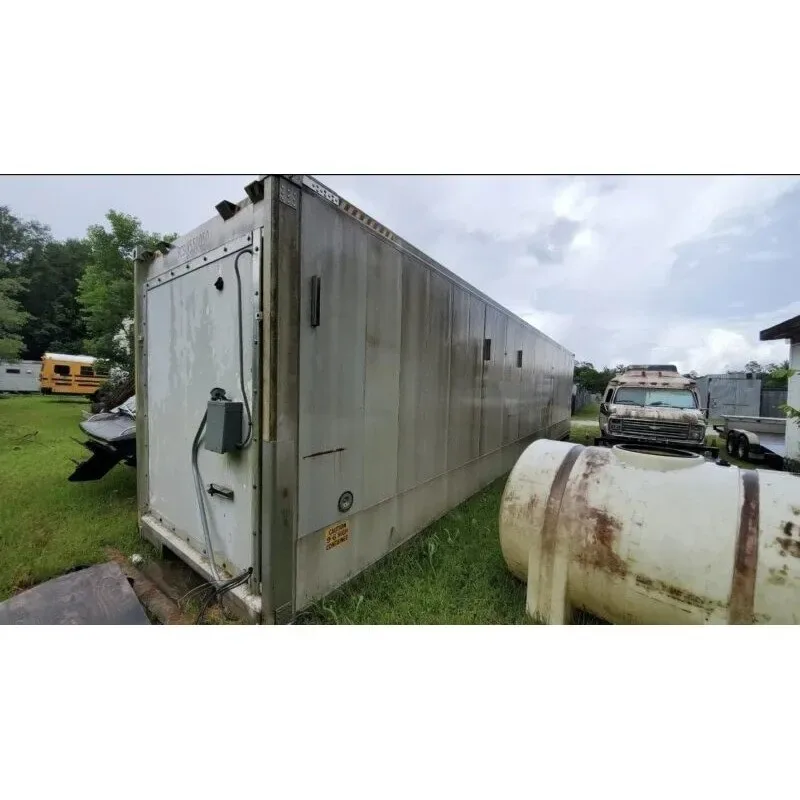
Our reefer range is 20 ft and 40 ft, used, with Thermo King and other refrigeration units on the individual listings. The 20 ft is the usual first buy: shorter pad, shorter clear run for the truck, and a smaller electrical service. Go to 40 ft when the volume is there and the service can carry it. If you need a box that holds temperature without a refrigeration unit on the end, look at the [insulated containers](/shop/c/insulated-containers) instead.
Full range on the [reefer container page](/shop/c/reefer-containers), and the short version of how sizes and grades work is in the [buyer's guide](/buyers-guide#containers).