About 20 miles, roughly 40 minutes
From 1122 Matchstick Pl SW the run into central Charlotte is about 20 miles and 40 minutes: NC 49 south out of Concord through Harrisburg, onto University City Boulevard, then I-85 south, off at West Sugar Creek Road and down North Tryon Street into uptown. Monroe, the Union County seat, is about 32 miles and 45 minutes the other way.
That distance is worth thinking about honestly. This is a local tilt-bed tow, not a multi-day interstate haul, so the highway is not what you are waiting on — dispatch is. Orders go out 2-5 business days after payment clears, and North Carolina sits in the published 4-10 business day window after dispatch. If you are in Huntersville or Concord, or a subdivision out past Matthews, you are on the near side of that window rather than in the middle of it. The published table is on the delivery page.
Pick-up is the other option and it is free. Bring a trailer rated for the box — an empty 20 ft is around 5,000 lb and a 40 ft roughly double that — and you can inspect before you commit, by appointment, Monday to Friday 8am-6pm or Saturday 9am-2pm. Call the lot on +1 (645) 529-6321 to book it.
Red clay is the thing your site has to survive
Piedmont clay is what catches most Charlotte drops. Graded, it sets like a brick in August and turns slick as grease after two inches of rain. A loaded tilt-bed on bare red clay that has been wet will slide, and the driver will stop rather than tear up your yard or his trailer. So the ground is the first thing to get right, not the last.
- Four to six inches of air under the rails, so water passes under the box instead of into the floor.
- Concrete blocks or timber bearers at the corners and along the rails, sitting on compacted gravel rather than bare clay.
- Level in both directions, with the doors on the side the ground drains away from.
- Doors clear of the tree line — a box that sits under oaks drops tannins and leaf litter straight onto the roof seam.
A container set straight onto clay wicks damp into the plywood floor within a season, and a box two inches out of level holds water against one corner after every summer storm. The container section of the buyer's guide covers pads and drainage in more detail.
What the truck needs when it arrives
We drop on a tilt-bed, and the trailer has to be straight when it tips.
- 20 ft: about 75 ft of straight clear run.
- 40 ft: about 110 ft.
- Overhead: 14 ft of clearance — oak limbs, service drops, carport roofs.
- Ground: firm and dry, and wide enough for the truck to back out again.
Charlotte addresses fail this test in predictable ways: a subdivision lot with a mailbox cluster at the entrance, a gravel drive over a culvert, a gate code nobody wrote down, a service drop strung low across the only way in. None of those is a problem if we know about them when you order. They are all a problem at 8am on drop day. Say so on the order and the drop is planned around it; if a crane is needed it goes on the quote before you pay, not after.
Storage, or a structure? Charlotte asks you to pick
A container used to keep material dry is one question. A container wired for power and occupied as a site office, a workshop or a dwelling is a different one. Charlotte and Mecklenburg County both run zoning and code enforcement, and anything that is wired, plumbed or slept in will be treated as a structure sooner or later — usually when a neighbour calls or the job is sold.
The suburbs add a second layer. Deed restrictions and HOA covenants in Huntersville, Waxhaw, Indian Trail, Ballantyne and the newer subdivisions around Lake Wylie can be stricter than any county code about what may sit in a side yard or in front of the house. Read the covenants before you pick the spot, and call the planning desk for the jurisdiction your lot actually sits in — city or county, they are not the same desk. There is more on that in the FAQ.
What Charlotte buyers take
The trade is the biggest buyer here, and the pattern is consistent: a 20 ft on a graded lot behind a job, moved on when the job closes. It holds a crew's tools and material, it fits beside a driveway, and it comes off the trailer in the least room. Trades running several sites at once usually want two.
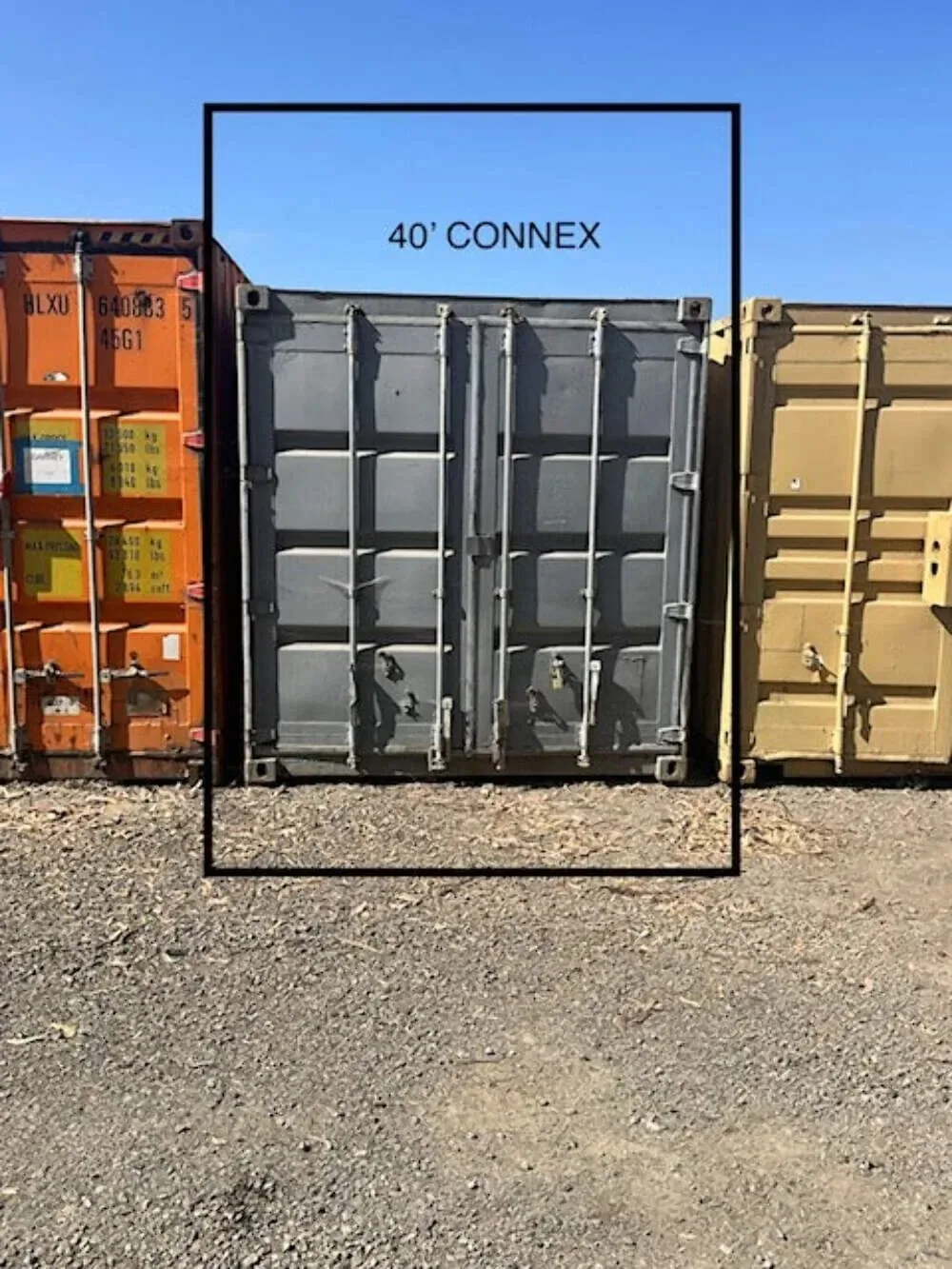
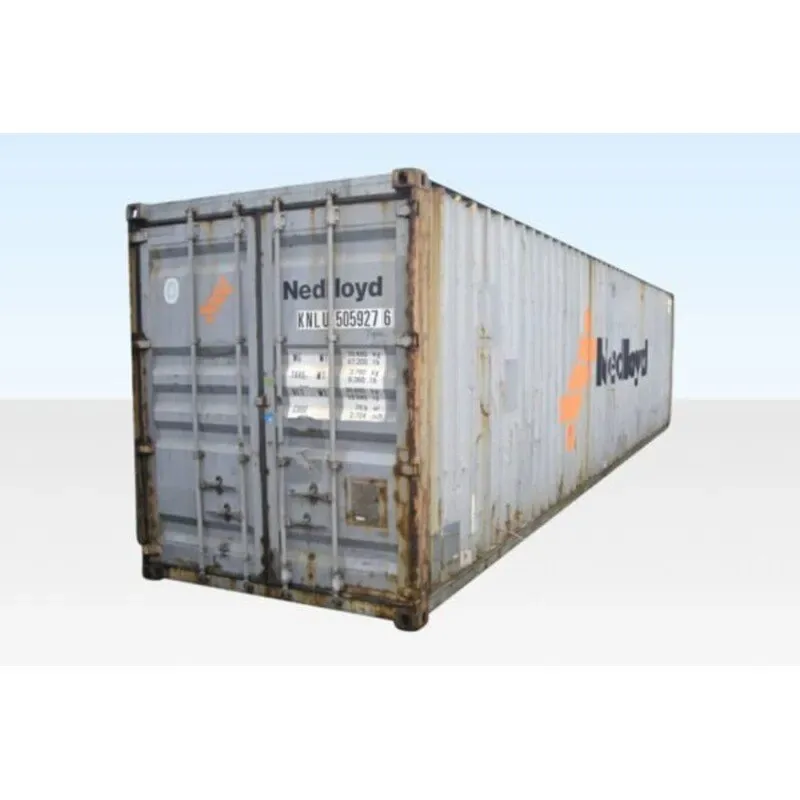
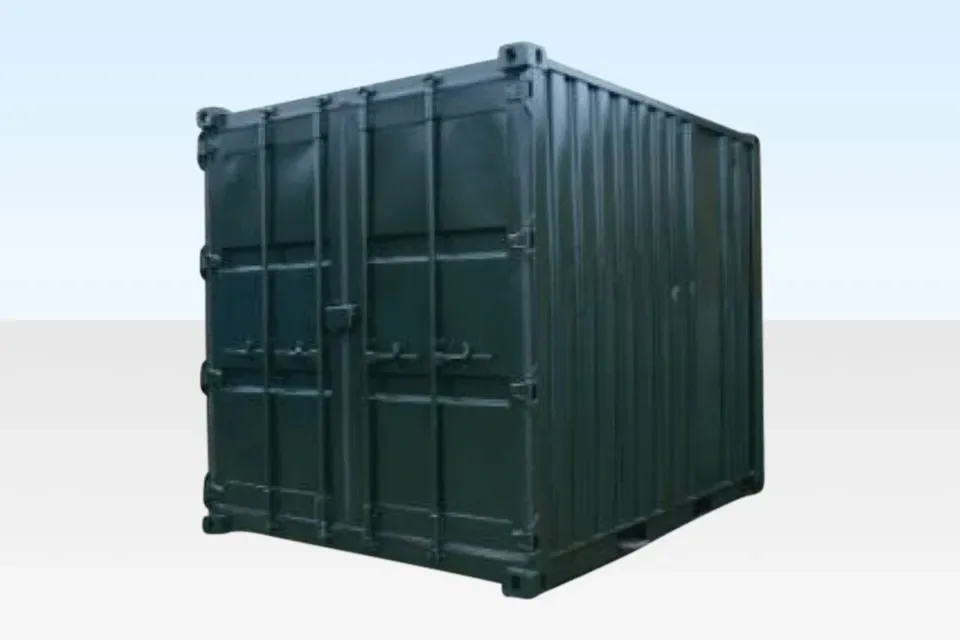
A 40 ft is for volume — pallets, racking, a whole inventory, a race shop's spares. A 40 ft high cube adds the extra foot of height (9 ft 6 in against the standard 8 ft 6 in) that makes a second racking level worth building. On a tight city lot or a back yard with no way in, a 10 ft cut-down is often the only box that fits. Out in Union County — Waxhaw, Monroe, Wingate — farms and horse properties tend to want the 40 ft for hay and equipment.
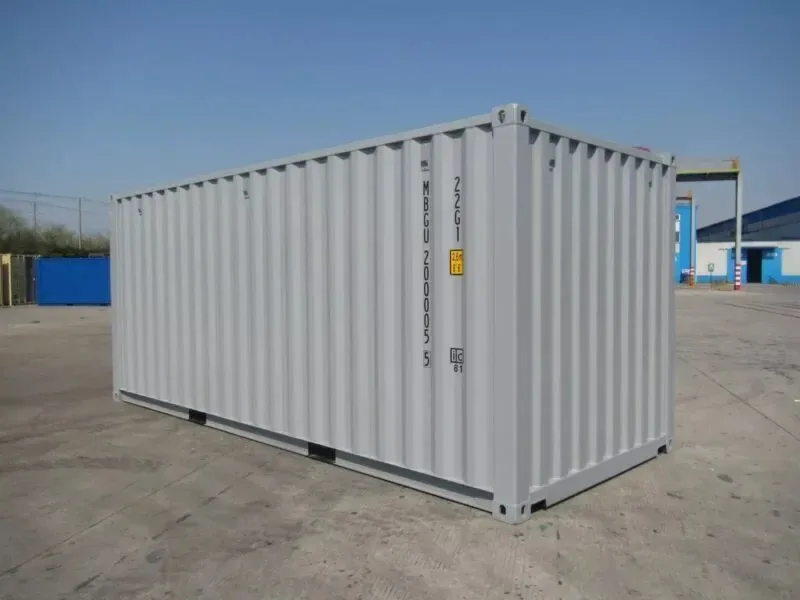
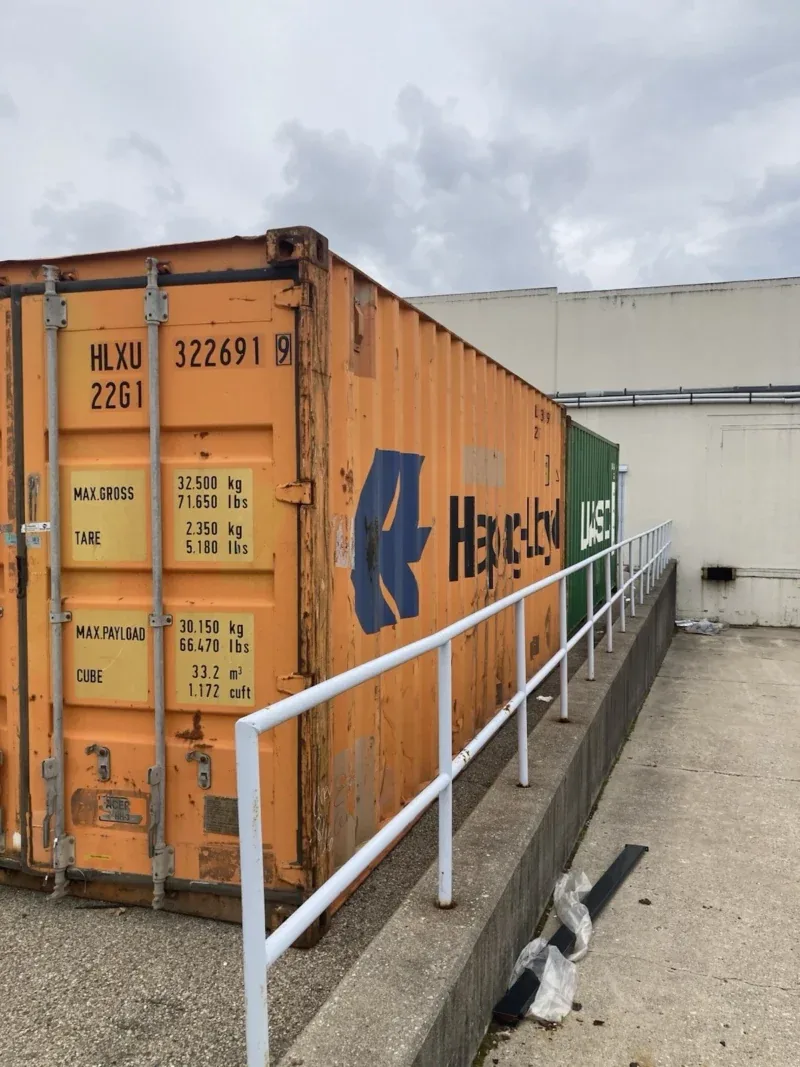
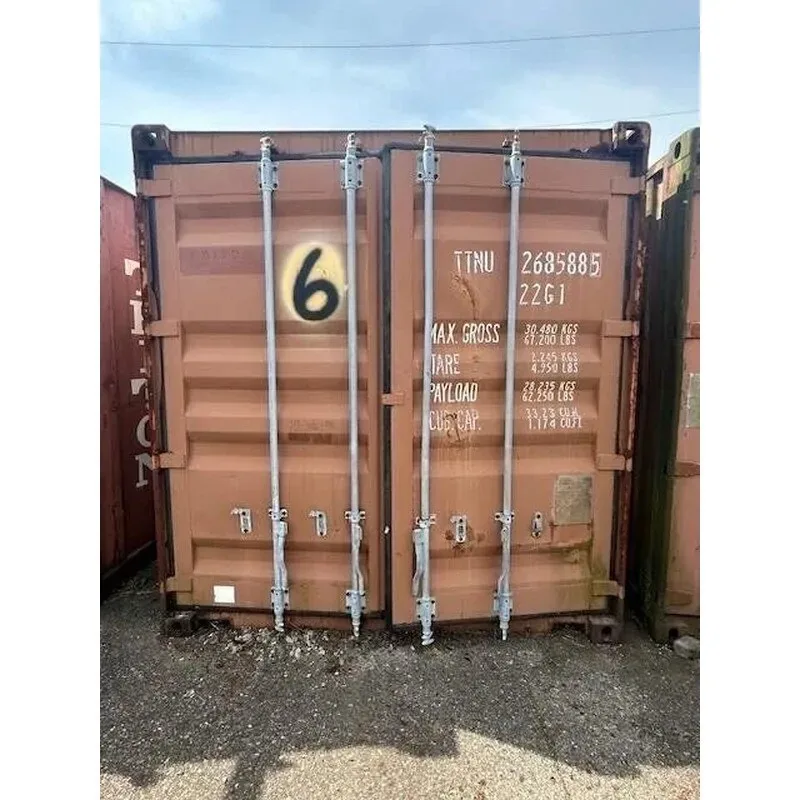
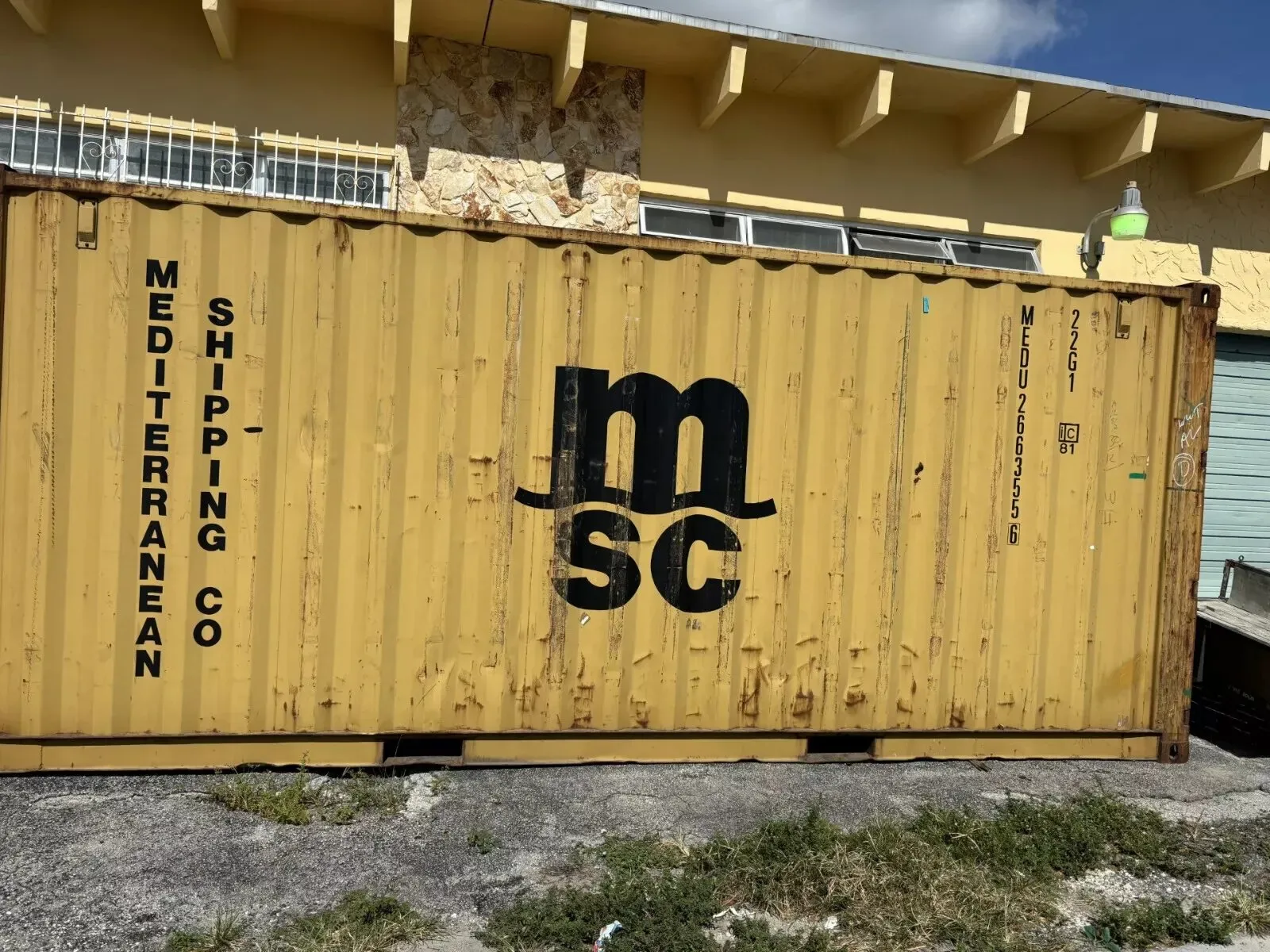
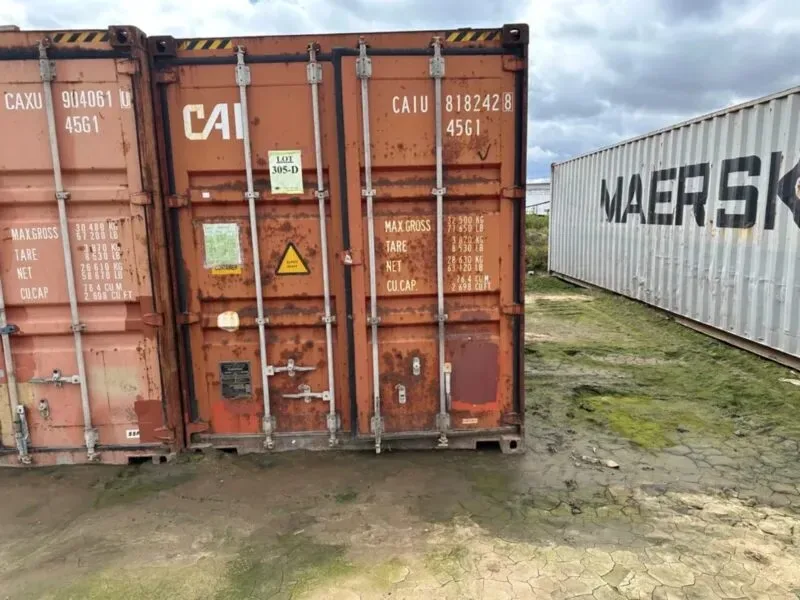
Every unit on the site is photographed and priced in USD, so you can compare grades before you call: one-trip boxes that made a single voyage and are near-new, cargo-worthy, and wind and watertight. The full range sits under shipping containers, plain boxes under storage containers, and the fittings — ramps, racking, door stays, lighting — under container accessories.
Two things specific to here. Summer heat: a shut steel box in a Charlotte July will run well over 100 F inside by mid-afternoon, which matters if you are storing anything that minds heat or moisture — take a light colour where you have the choice, since every listing states the colour. And lake houses: gear left in a plain box near Lake Norman or Lake Wylie wants roof vents at minimum, or an insulated container if it has to stay dry and steady.
Pick it up at the lot, or have it delivered
If you are within driving distance, pick-up is free and inspecting first is the whole point of having the lot here. Come and look at the floor, the door gaskets and the roof seam on the actual unit before you pay for it — that is a better use of a morning than any photograph.
Otherwise the delivery figure is quoted to your ZIP and shown in writing on the invoice before anything is paid. Nothing is charged on this website: you get an invoice first, then pay by ACH or wire, Zelle or a secure card link — the options are on the payment page. Orders can be cancelled at no cost before dispatch, and damage reported within 48 hours of delivery is repaired, replaced or refunded with the return freight paid by us. Questions before you order: contact the lot.