Grade first: one-trip, or wind and watertight
Gulf humidity is what wears a used container out. A box that spent years in a dock yard turns up with rust starting in the floor channels and around the door seals, and damp air finds every one of those places. A one-trip unit — a single voyage, near-new — has no history of that yet. It costs more, and on a salt-air site it is usually the cheaper box over ten years.
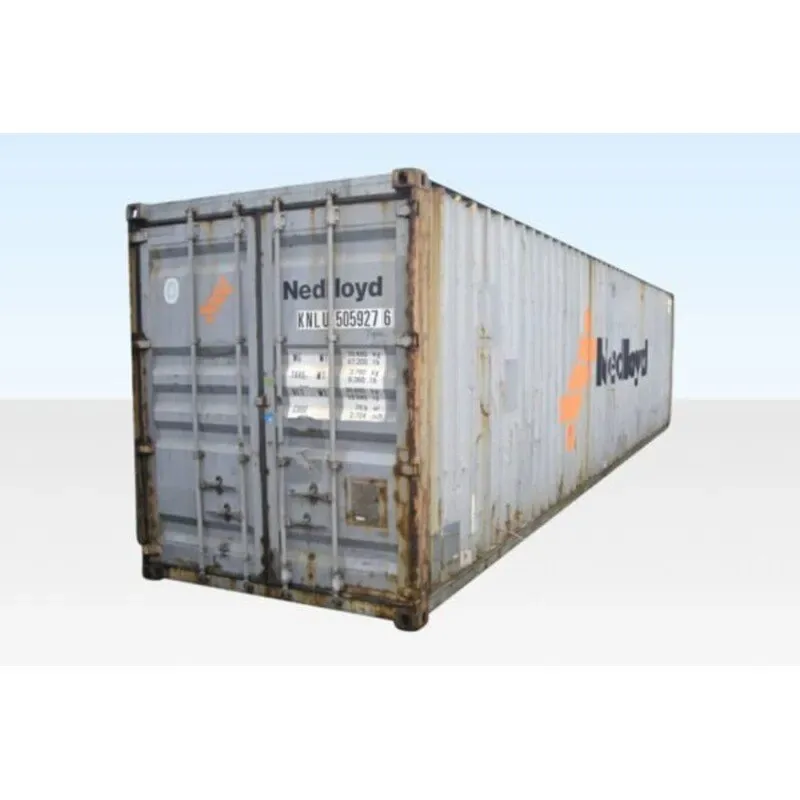
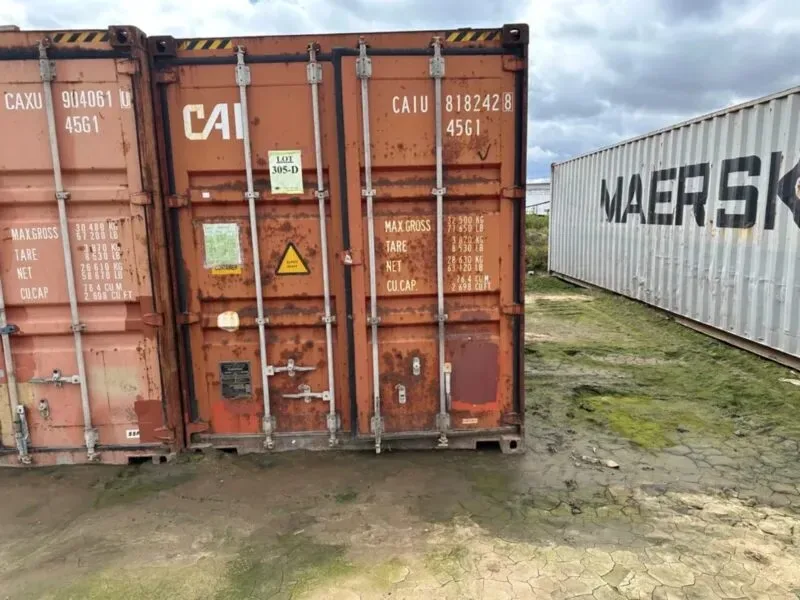
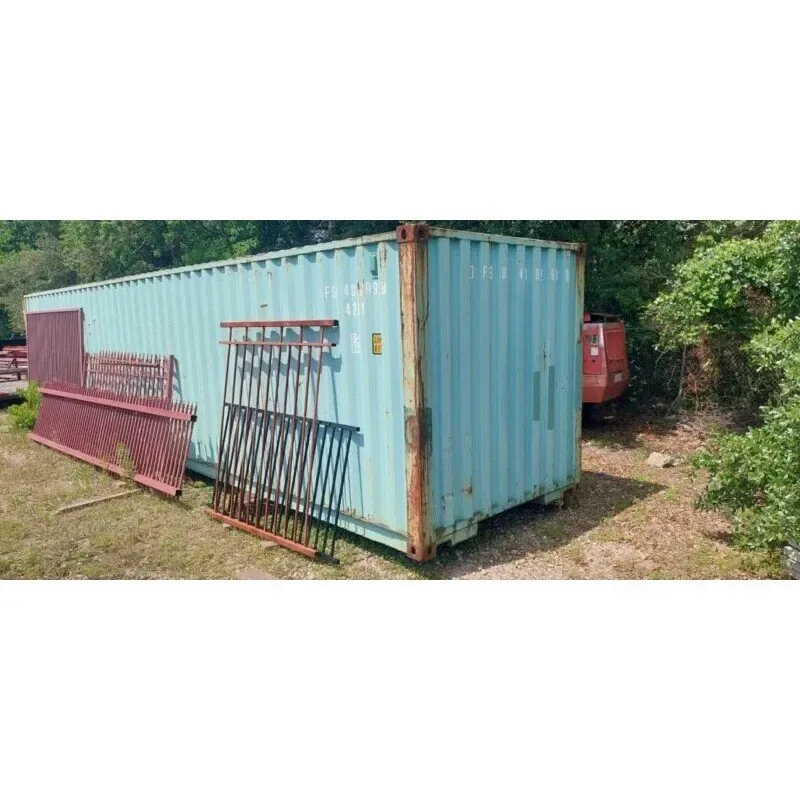
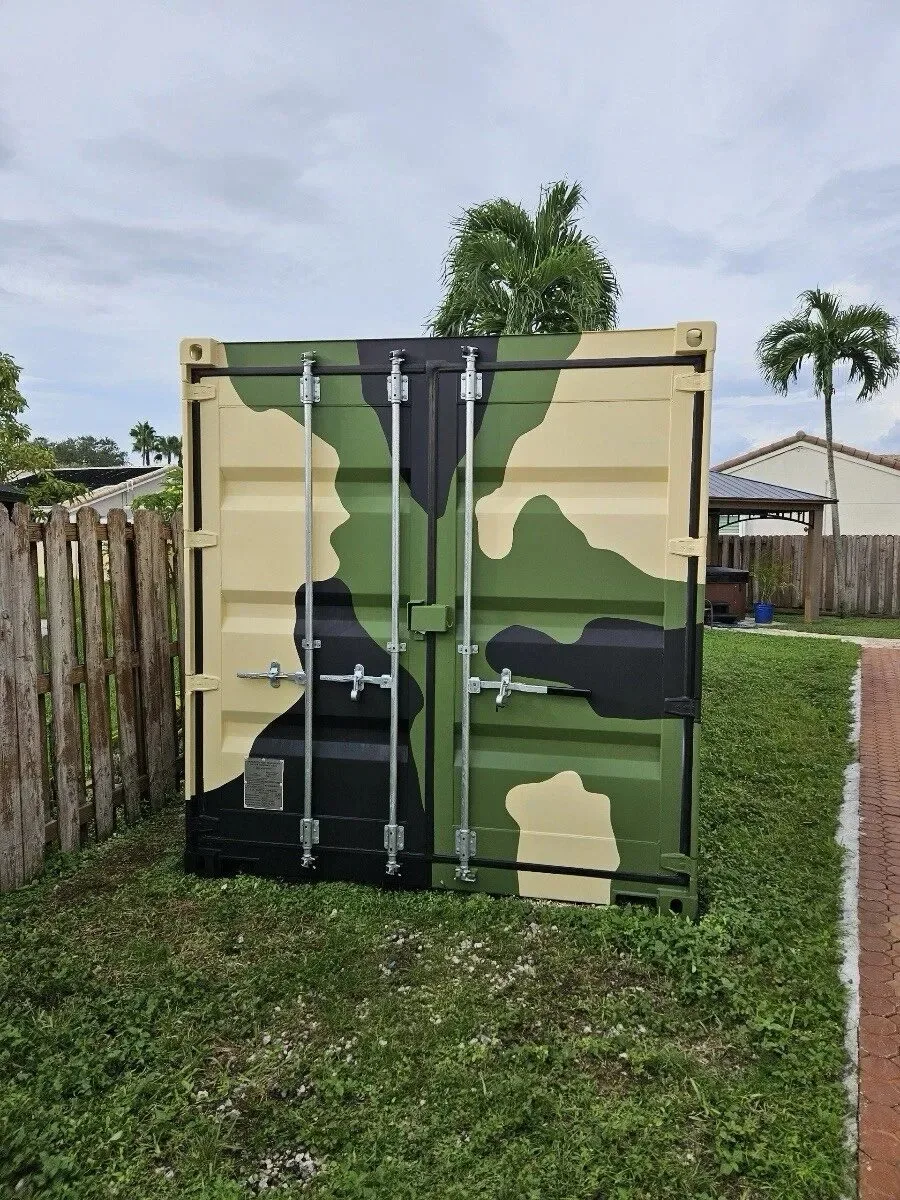
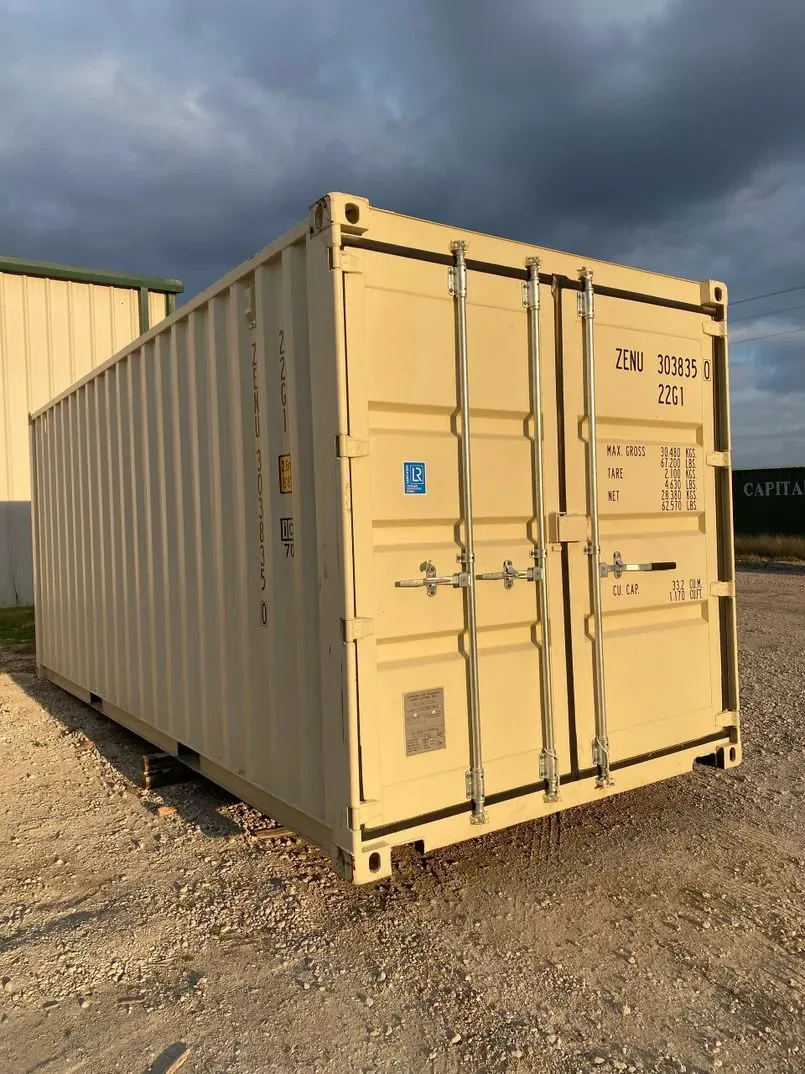
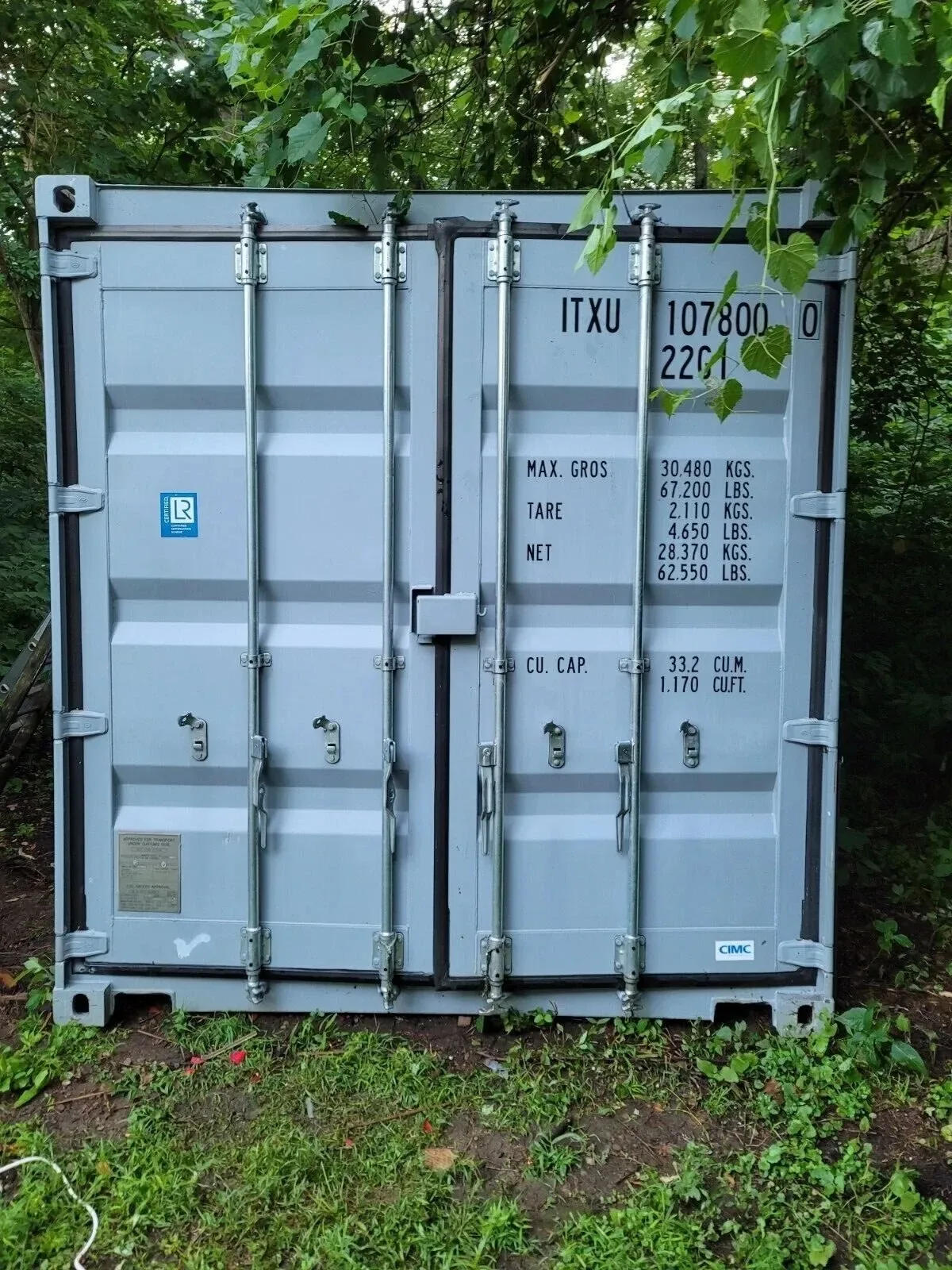
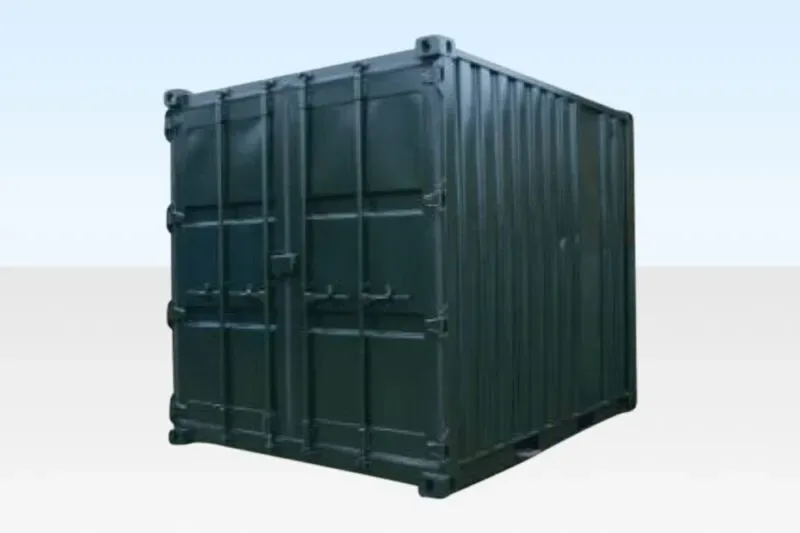
Cargo-worthy and wind and watertight grades are still the right buy for plenty of jobs. Wind and watertight means the walls and roof shed water and the doors close; it does not promise a floor that is sound under a pallet truck. Read the photographs on each listing, ask about the floor and the door gaskets, and if the box is going to sit close to the water — Galveston, League City, Seabrook, Baytown — lean toward the newer unit. The full range is on shipping containers.
Getting it there: about 940 miles
Roughly 940 miles of highway separate the lot from downtown Houston, which is about 21 hours of driving. That is a two-day haul with an overnight, not a next-morning delivery. The usual run drops south-west through Atlanta and then across the Gulf states on I-10 — Mobile, New Orleans, Baton Rouge — into Houston.
Texas sits in the published 5–14 business day window after dispatch, and dispatch is 2–5 business days after payment clears. Add the two together and that is the honest calendar from "paid" to "on the ground". A crane, an escort or a tight site pushes you toward the long end. The full table is on the delivery page.
Set it above grade, not on it
Houston is flat coastal prairie over clay that holds water. A container set straight onto the ground sits in whatever puddle the next storm leaves behind, and the floor — plywood over steel — is the first thing to go.
- Four to six inches of air under the rails, so water passes underneath instead of into the floor.
- Concrete blocks or timber bearers at the corners and along the rails, on compacted gravel.
- Level, with the doors on the side the ground drains away from.
That last point matters here more than in most of the country. A box two inches out of level holds water against one corner of the floor after every heavy rain, and doors that shut cleanly in March bind by August. If your address is in a mapped floodplain, check the zone before you pick the spot: Harris County has floodplain development rules that reach structures placed in the floodway, and a box in the wrong place is a problem at resale whether or not anyone made you move it. The container section of the buyer's guide covers pads and drainage.
What the truck needs when it arrives
We drop on a tilt-bed, and the trailer has to be straight when it tips.
- 20 ft: about 75 ft of straight clear run.
- 40 ft: about 110 ft.
- Overhead: 14 ft clearance — pecan limbs, service drops, carport roofs.
- Ground: firm and dry.
Firm and dry is the phrase that catches Houston lots. A subdivision lot where the pad was cleared six weeks ago, a back yard that held water all spring, a gravel drive over black clay — a loaded tilt-bed will sink or slide on all three, and the driver will stop. If the way in is unpaved, narrow, under trees, behind a gate or over a culvert, say so when you order and we plan the drop from that. A crane goes on the quote before you pay, not after.
What Houston regulates — less than you think, and more
Houston has no citywide zoning ordinance. That is not the same as no rules. Deed restrictions and HOA covenants do most of the work in the suburbs — Katy, Sugar Land, Cypress, The Woodlands, Pearland — and they can be stricter than any city code about what may sit in a driveway or a side yard. The city still enforces its development, building and fire codes, plus the floodplain rules above.
A container used for storage is one question. One wired for power and occupied as a site office or a dwelling is a different one, and that is where the permit conversation starts. Call the planning desk for the city or county your lot sits in, and read the deed restrictions, before the truck rolls. The FAQ covers the ordering side of the same questions.
Heat, humidity and the inside of the box
Steel in a Houston August is an oven when it is shut and a condensation trap when the night cools. If you are storing tools, timber, feed, paper or anything that minds moisture: fit roof vents or a whirlybird, keep the floor off the soil, and take a light colour if you have the choice — every listing states the colour of the unit. For goods that genuinely have to stay dry and steady, an insulated container is the honest answer rather than a plain box and hope.
Which size Houston buyers take
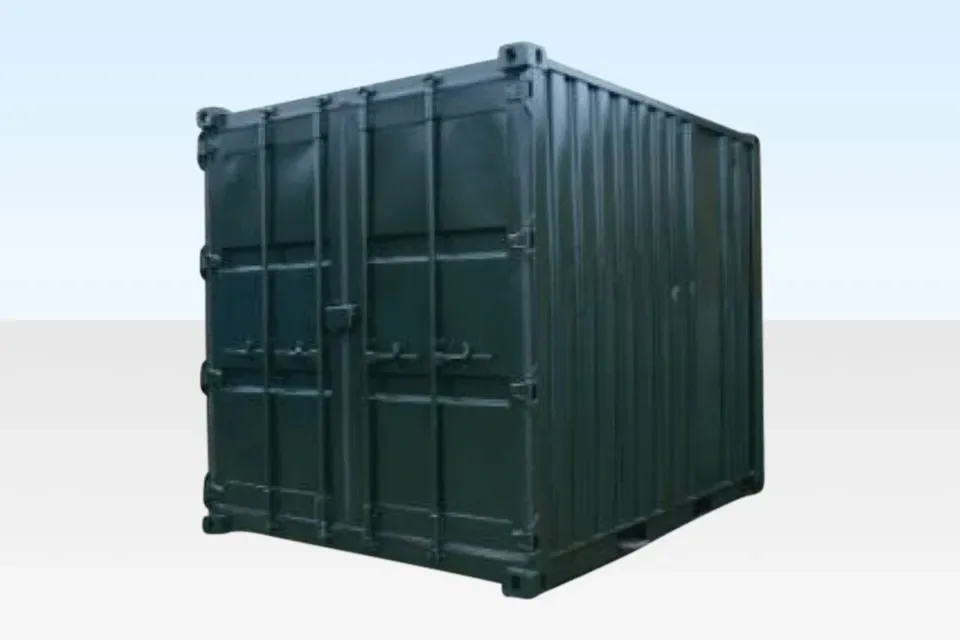
A 20 ft is the workhorse: a contractor's tools and material, a yard's feed and seed, a homeowner's renovation overflow. It fits beside a driveway and it comes off the trailer in the least room. A 40 ft is for volume — pallets, racking, a whole inventory — and a 40 ft high cube gives you the extra foot of height (9 ft 6 in against the standard 8 ft 6 in) that makes a second racking level work. On a tight city lot, a 10 ft cut-down is often the only box that goes where you want it. Plain boxes are listed under storage containers.
Pick it up, or have it quoted to your ZIP
Pick-up at the Concord lot is free if you are passing through the Carolinas with a trailer, and you can inspect the unit by appointment before you commit. Otherwise the delivery figure is quoted to your ZIP, shown in writing on the invoice, and nothing is charged on this website — you get an invoice first, then pay by ACH or wire, Zelle or a secure card link. Orders can be cancelled at no cost before dispatch. Damage reported within 48 hours of delivery is repaired, replaced or refunded, with the return freight paid by us.