What fits on a District block
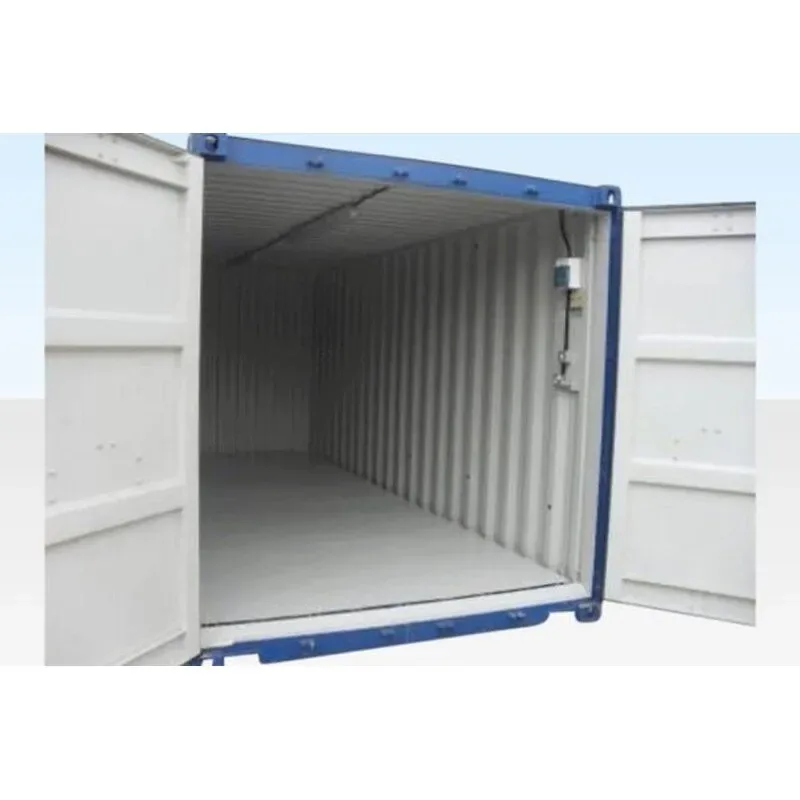
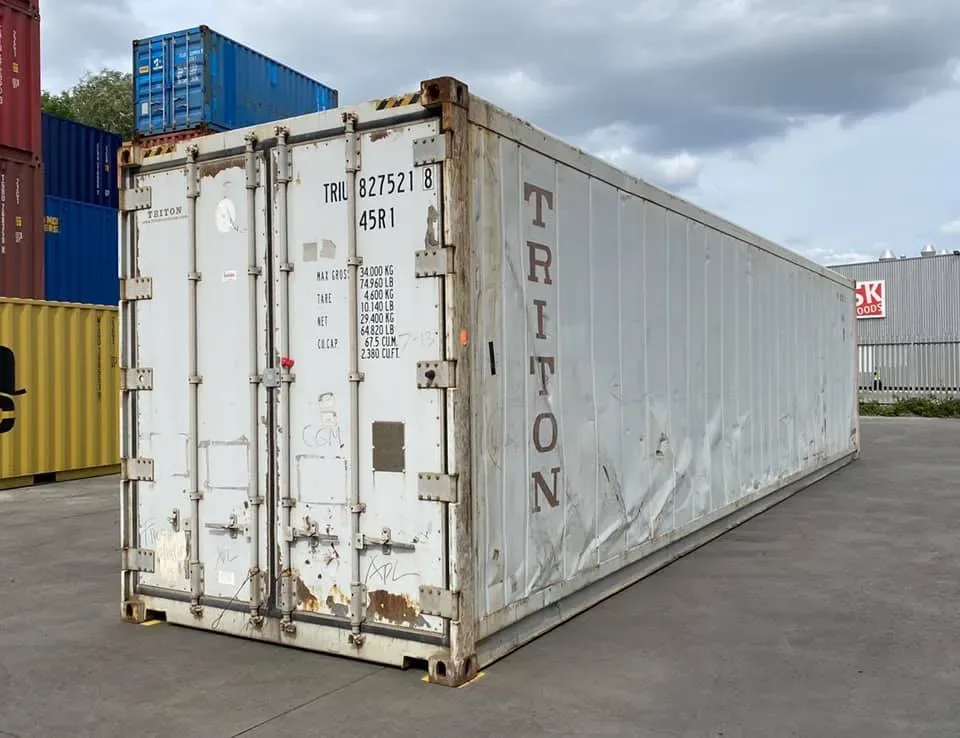
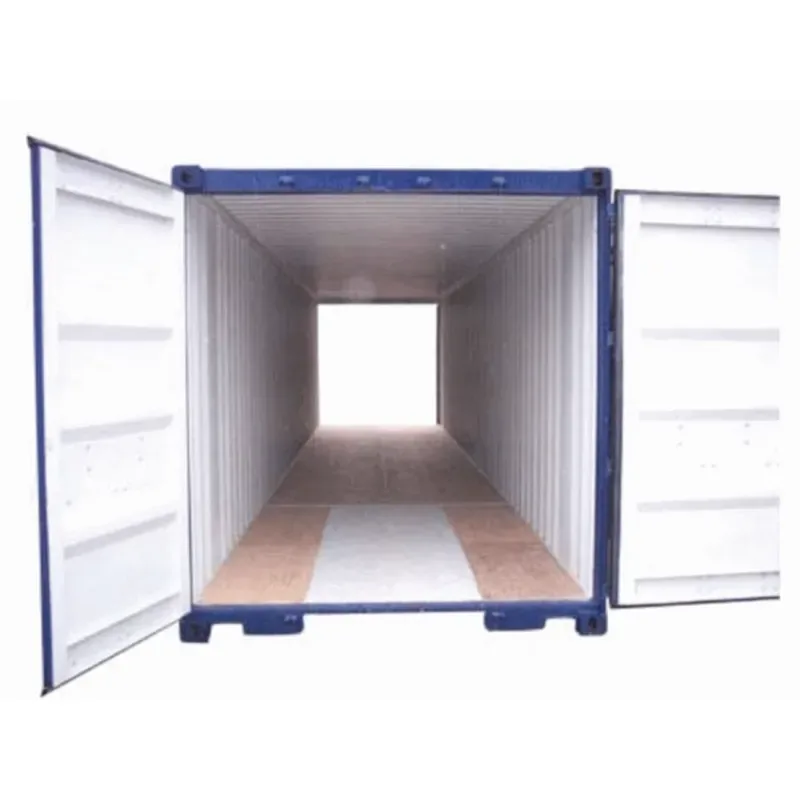
A rowhouse renovation is usually a 10 ft or 20 ft job. The 10 ft cut-down and one-trip units go where a 20 will not: behind a gate, down an alley, on a pad between two buildings. The 20 ft one-trip and used wind and watertight boxes are the workhorse for a rehab that needs room for materials, tools and a locked door. A 40 ft container wants a clear straight run of about 110 ft, and most residential blocks in the District cannot give you that. If you have a commercial yard, a parking lot or a vacant lot with street frontage, a 40 is workable.
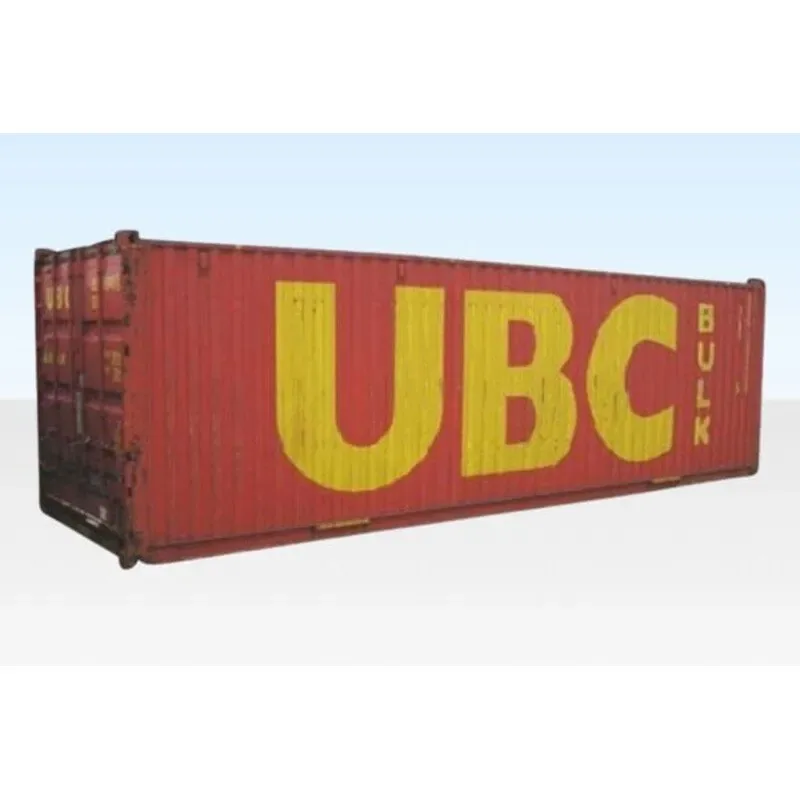
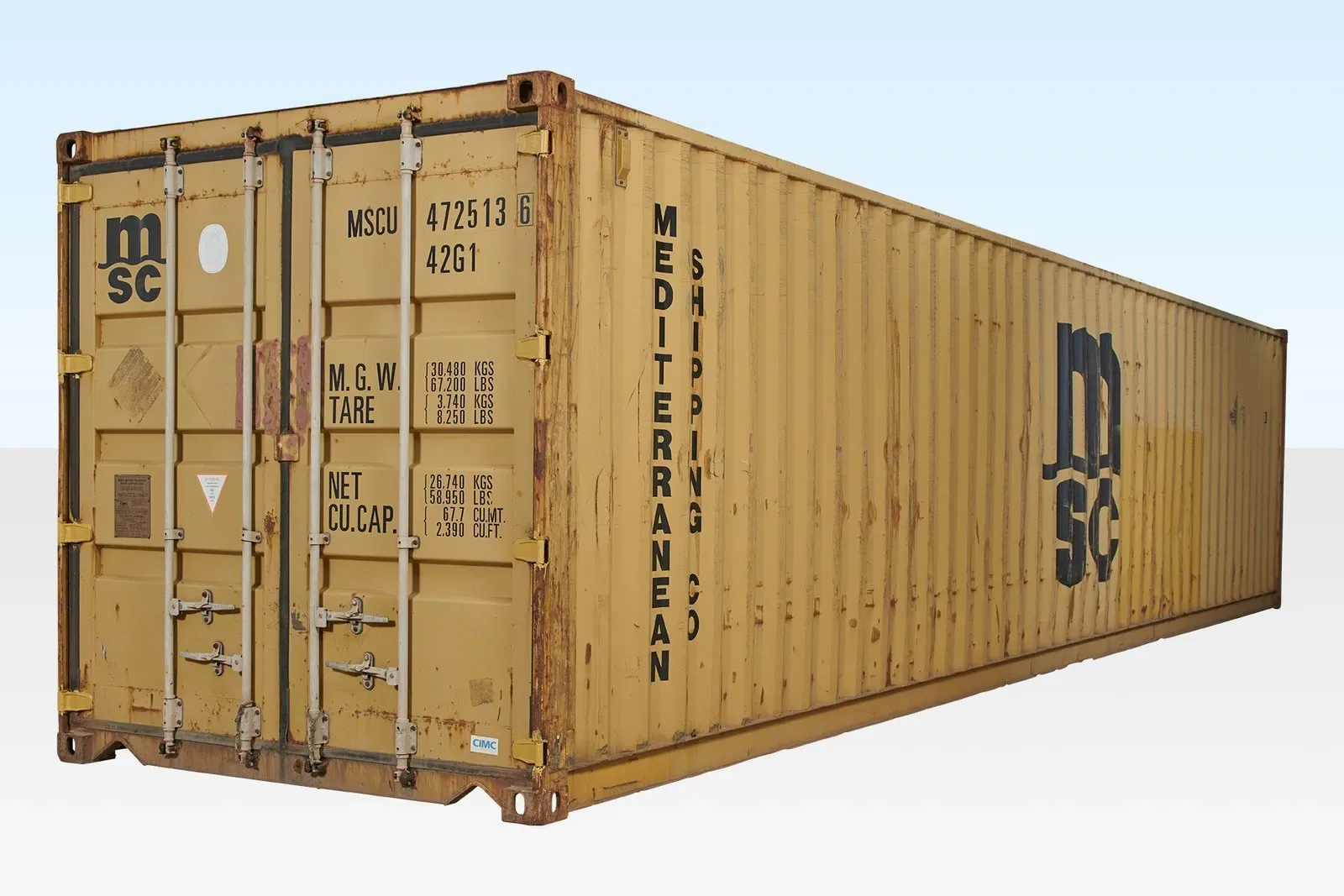
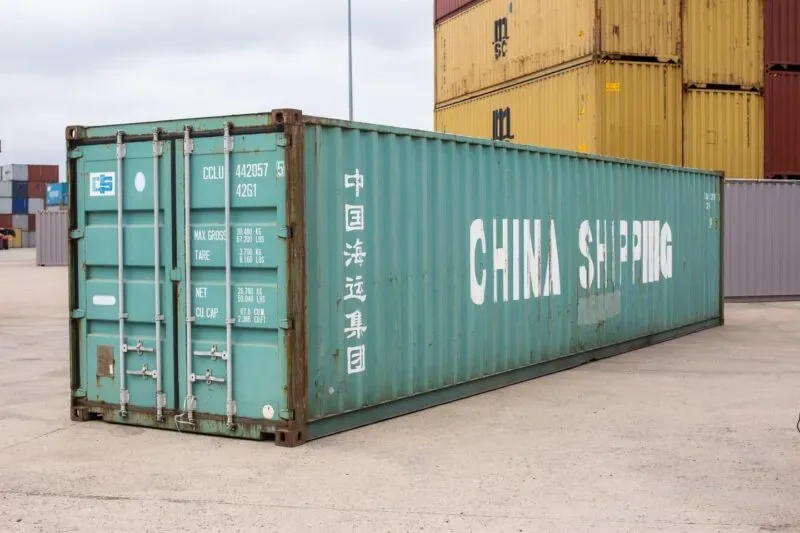
Every unit on the site is photographed and priced in dollars, so you can size the box against the space you actually have before you call. The full range is on the shipping containers page.
The drop: what the street has to allow
These arrive on a tilt-bed. The driver backs up, tilts the bed and lets the box slide off; there is no crane unless the unit calls for one. That means the truck needs a straight clear run to the drop point — about 75 ft for a 20 ft container and about 110 ft for a 40 ft — plus 14 ft of overhead clearance and firm, dry ground under the box.
In the District that is where most orders get decided. Street trees, low service wires across an alley, a parked car that will not move, a tight turn off a one-way street, a driveway that is really a curb cut into a rear yard. Send a photo of the approach and the drop spot with your order and we will tell you straight whether the truck can get in, or whether the box has to come off on the street and be moved the last few feet another way.
The permit question, in two parts
Where the container sits decides what you need. If it stands in the street, in the alley, on the sidewalk or in the tree box, it is on District public space, and DDOT issues public space permits for that. Get the permit before the truck is booked; a container that has to be lifted back out is an expensive way to learn the rule.
On private property it is a different question — zoning, and whether the box counts as a structure for your lot. Ask the District before you buy if the container is going to stay up, and ask again if anyone will work inside it, because an occupied office is held to more than a locked steel box in a rear yard. Our buyer's guide covers the site prep side, and the FAQ covers the ordering side.
Freight from Concord to the District
The run is about 380 miles: up I-85 past Greensboro to Petersburg, Virginia, then north on I-95 into the city. Published transit for DC is 5 to 14 business days after dispatch, and dispatch is 2 to 5 business days after payment clears. Traffic on I-95 around Fredericksburg and on the Beltway can push the upper end of that window, so build the schedule around it rather than against it.
Freight is quoted to your ZIP code, not to the state, and the figure goes on the invoice in writing before you pay anything. A delivery into Northeast or a rear alley in Capitol Hill prices differently from a lot in Anacostia, and both are quoted the same way. See the delivery page for how the quote is built.
New or used, for a city job
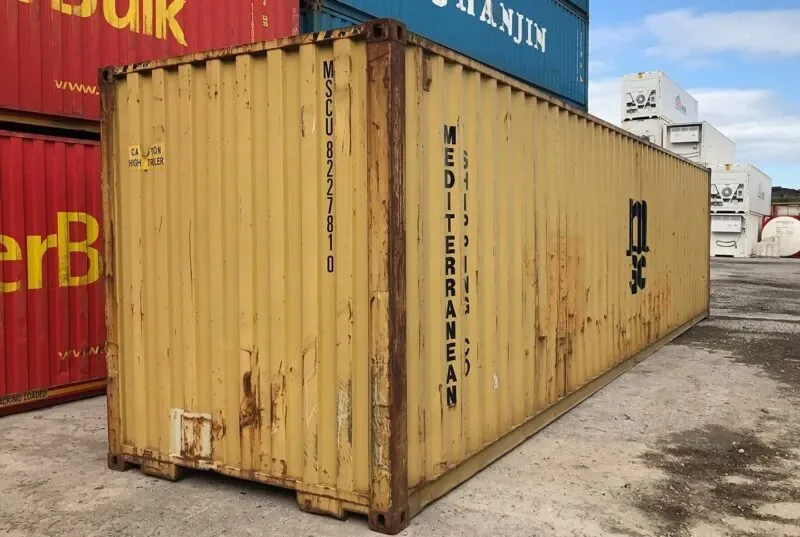
A one-trip box looks new and seals tight, which matters when it sits against a building or in view of a client. Cargo-worthy and wind and watertight used boxes cost less and still keep weather out; they show dents, surface rust and patches, which is normal and does not affect a storage job. On a rowhouse rehab where the box comes out in a year, used is usually the sensible buy. Where it becomes a permanent feature, spend on the one-trip.
Buying it
Nothing is charged on the website. You pick the unit, we send an invoice with the delivery figure on it, and you pay by ACH or wire, Zelle, or a card payment link. Orders can be cancelled at no cost before dispatch, and damage reported within 48 hours of delivery is repaired, replaced or refunded with return freight on us. You can also collect free at the lot in Concord and inspect the unit by appointment — worth it if you are already driving down I-85. Questions before you order go to the contact page; payment detail is on payment methods.