What a Front Range site asks of a cabin
Denver is a mile above sea level and the work goes on through a real winter: snow that sits for days, then melts and refreezes overnight. That cycle is what breaks a cheap cabin. Water gets in at the door threshold, the floor soaks, and by February the crew is working around a damp room. The units we send to Colorado are insulated, heated and double glazed for exactly that reason.
The other half of the problem is ground. Snow piles get plowed against kerbs and fences, meltwater runs to the low corner of a lot, and in March the subgrade turns soft. A cabin sat on bare dirt through that will twist, and a door that closed in November will not close in April.
The cabins on the lot
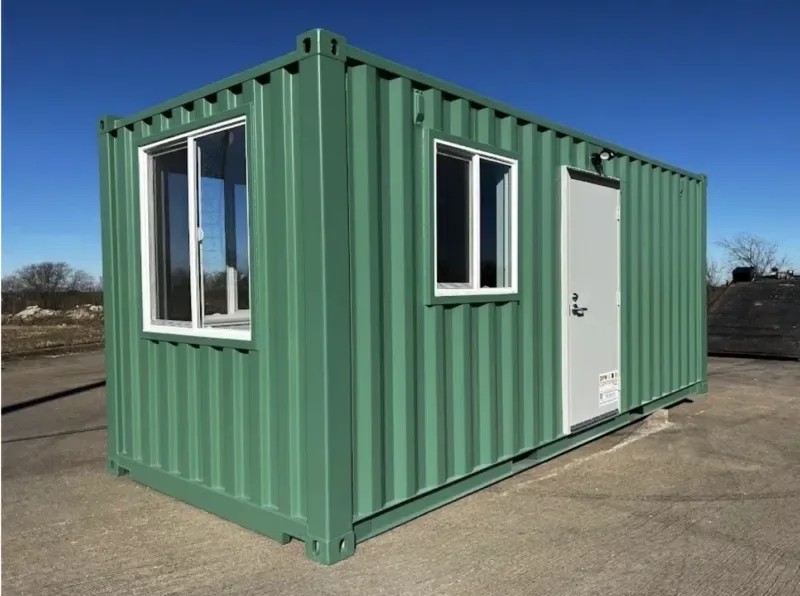
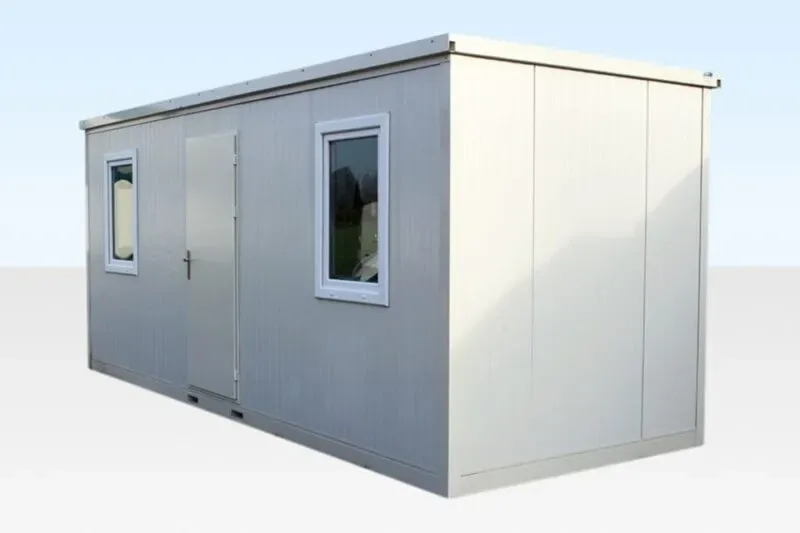
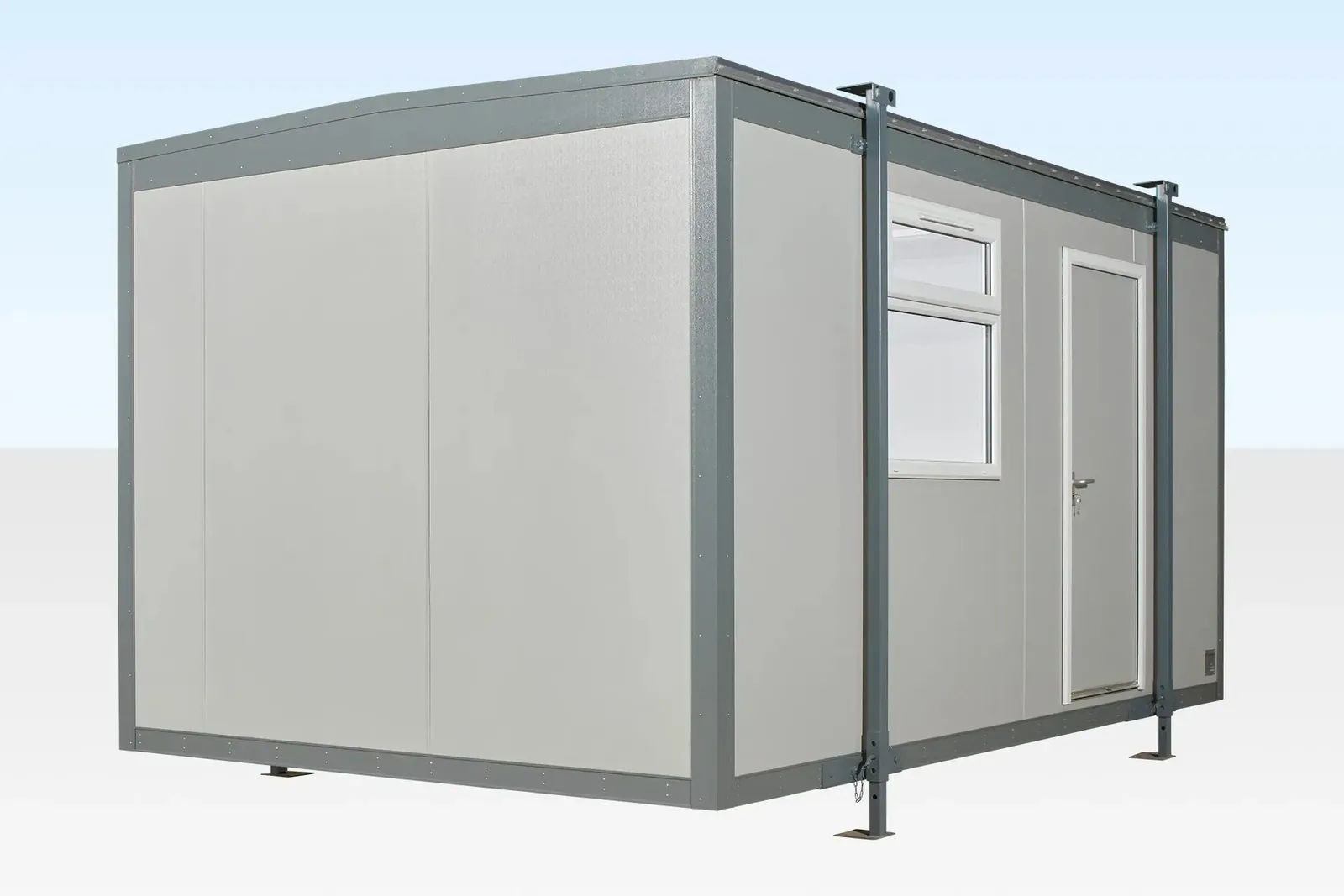
- 16 ft x 10 ft Jackleg Cabin — the small site office. Insulated, one uPVC double-glazed window, a timed panel heater, lighting and power already fitted. Door is 0.84 m wide by 1.98 m high. It wants a 230v 63 amp supply. A fitted canteen option is available.
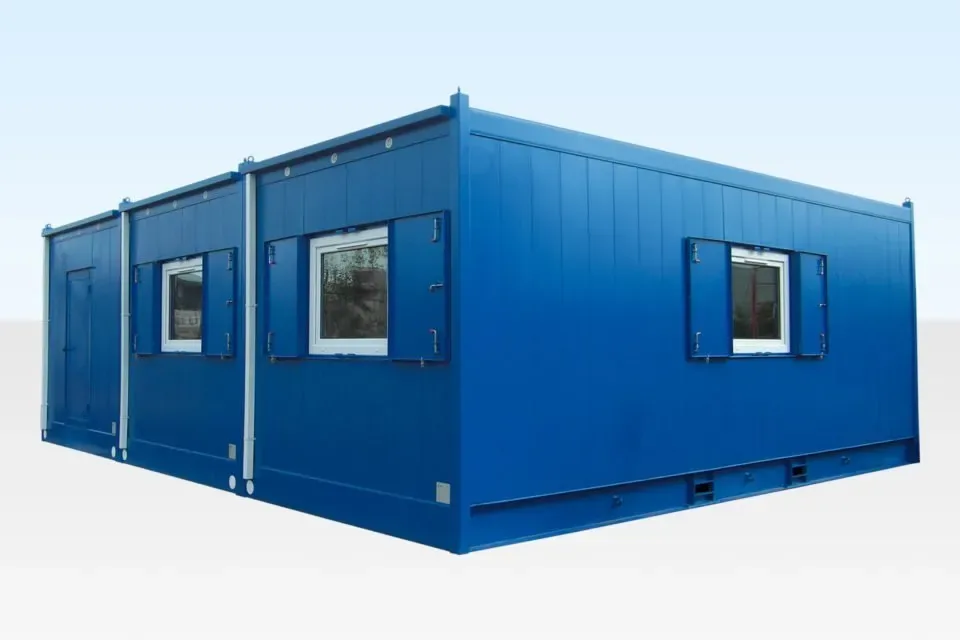
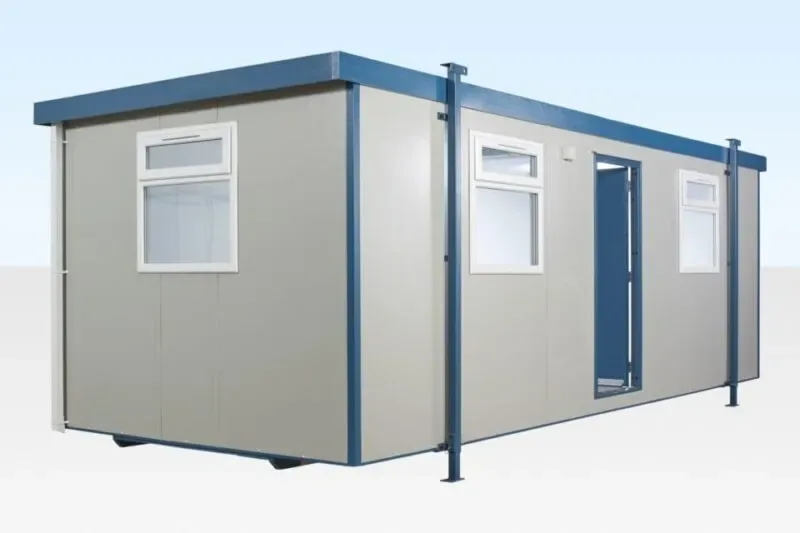
- 24 ft x 10 ft Jackleg Cabin — open plan with fixed windows and doors and timed electric panel heaters. Enough floor for a site office, a briefing room or a general team space, with or without a canteen.
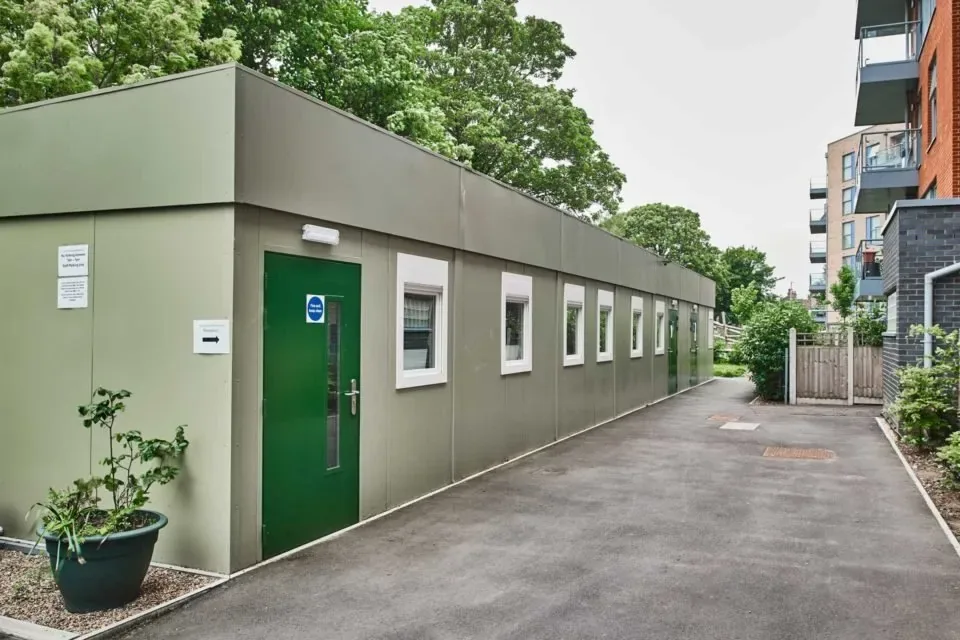
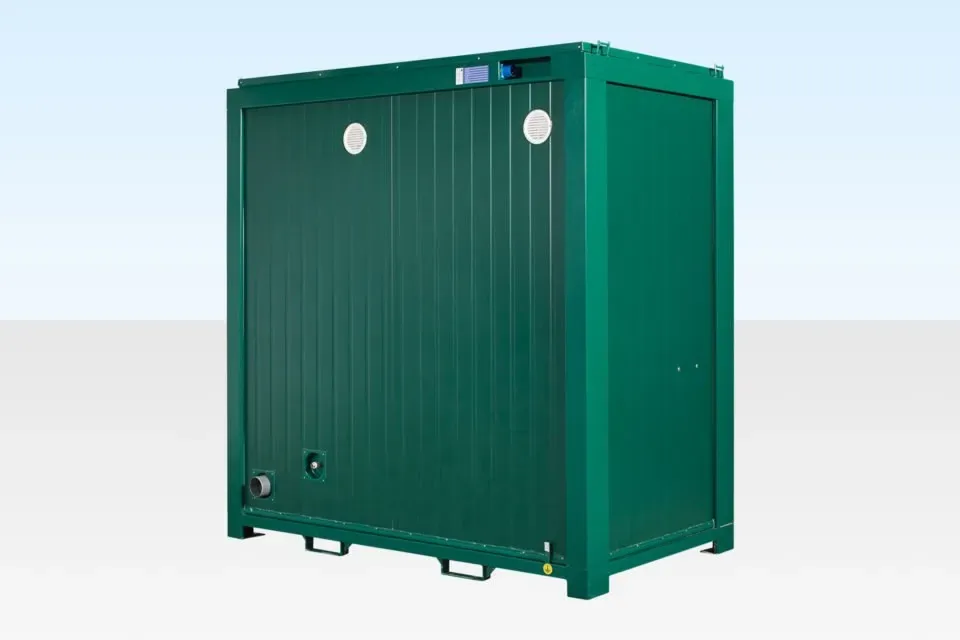
- 32 ft ECOlink Drying Room Cabin — built as changing, storage and drying space for crews that come in wet. PIR lighting, timed heating, uPVC double glazing, and optional air source heating and cooling.
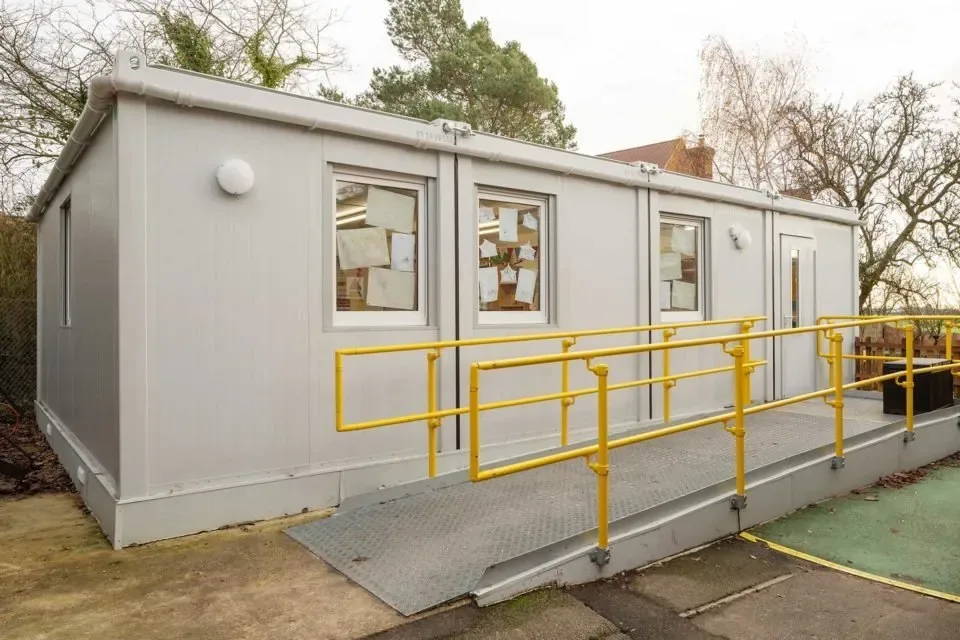
- 32 ft ECOlink Meeting Room Cabin — same chassis and finish, laid out for briefings and coordination.
- 40 ft and 48 ft x 10 ft Jackleg Office Cabins — for a project base that needs several rooms in one box.
The ECOlink units stack and link side by side, so a drying room, a meeting room and a canteen can go down as one block instead of three separate cabins. Plan that layout before you order — retrofitting links onto a unit already sitting on site is the expensive way round. See the full range in offices and cabins or go straight to all cabins in stock.
Getting it to Denver
The haul from 1122 Matchstick Pl SW, Concord, NC to Denver is about 1,580 miles, roughly 23 to 25 hours of driving — mostly I-77 north to I-40, west through Tennessee, Arkansas and Oklahoma, then north through Kansas and west on I-70. That distance is why the window is wide: Colorado sits in our 7 to 18 business day transit band after dispatch, and it runs longer when a crane or an escort is needed. Dispatch itself is 2 to 5 business days after payment clears.
Freight is not free and not flat. It is quoted to the ZIP the cabin is going to, which matters in Colorado because a Denver address and a mountain address in the same county are not the same job. The figure goes on the invoice in writing before you pay; our delivery page sets out how the quote is built.
What the truck needs at the Denver end
Cabins come off a tilt-bed. The bed lowers and the unit slides off, which means the truck does not need a crane, but it does need room. A 20 ft unit wants about 75 ft of straight clear run; a 40 ft wants about 110 ft. Allow 14 ft of overhead clearance for the bed and the load, and firm dry ground under the wheels.
In Denver that rules out a few situations worth checking before you order:
- Older neighbourhood lots with a rear alley and a low garage eave — measure the gate and the wire height, not just the drive.
- Steep or crowned driveways, and any approach with a lip where the pavement meets the gutter.
- Unplowed snow stacked in the drop zone. Clear it, or book a date after the plow has been through.
- New builds on the edge of the metro where the lot is graded but not yet graveled — the truck will not cross soft fill.
- Mountain addresses west of the metro, where the last mile is a grade or a switchback. Tell us the approach when you order and we will route it properly.
Ground, base and the freeze-thaw problem
The jacklegs let you level a cabin on a site that is not perfectly flat, but they do not fix soft ground. Set the unit on a firm, level, drained base — gravel pads or an existing slab — and keep it out of the path where meltwater runs. Do not drop one into a snow-covered lot and expect the thaw to leave it alone. If the ground is frozen when the truck arrives, have the pad prepared beforehand rather than after.
The buyer's guide covers base preparation for containers and cabins; the same rules apply here. Cabins do not need a concrete foundation to sit on the surface, but an occupied cabin in Colorado may need local approval, and that is a question for the city or county building department that covers the address — not something we can answer for you.
Power, heat and who signs off
Cabin heaters and lighting run on mains power, and the 16 ft unit specifies a 230v 63 amp connection, so the electrical work is a licensed electrician's job on your side. Ask about the air source heating and cooling option on the ECOlink units if the cabin stays on site through a full Front Range year — timed heating alone is fine for a heated room, but it is not cooling in July.
When you are ready, call the lot on +1 (645) 529-6321, or use the contact page with the address, the access details and which cabin you want. You get the delivered figure in writing, and you can cancel at no cost before dispatch. Questions we get asked most often are answered on the FAQ.