What comes off the truck in Chicago
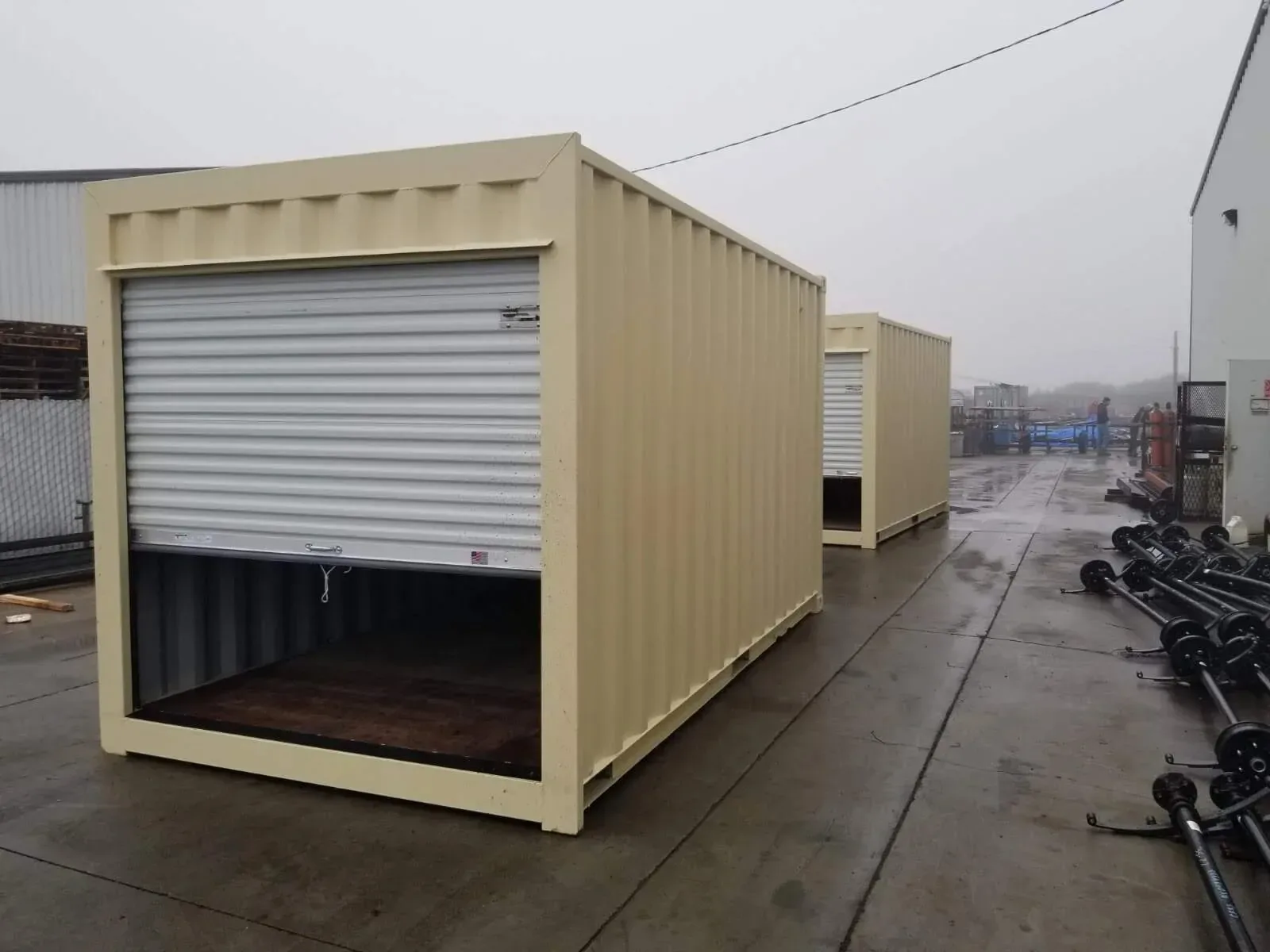
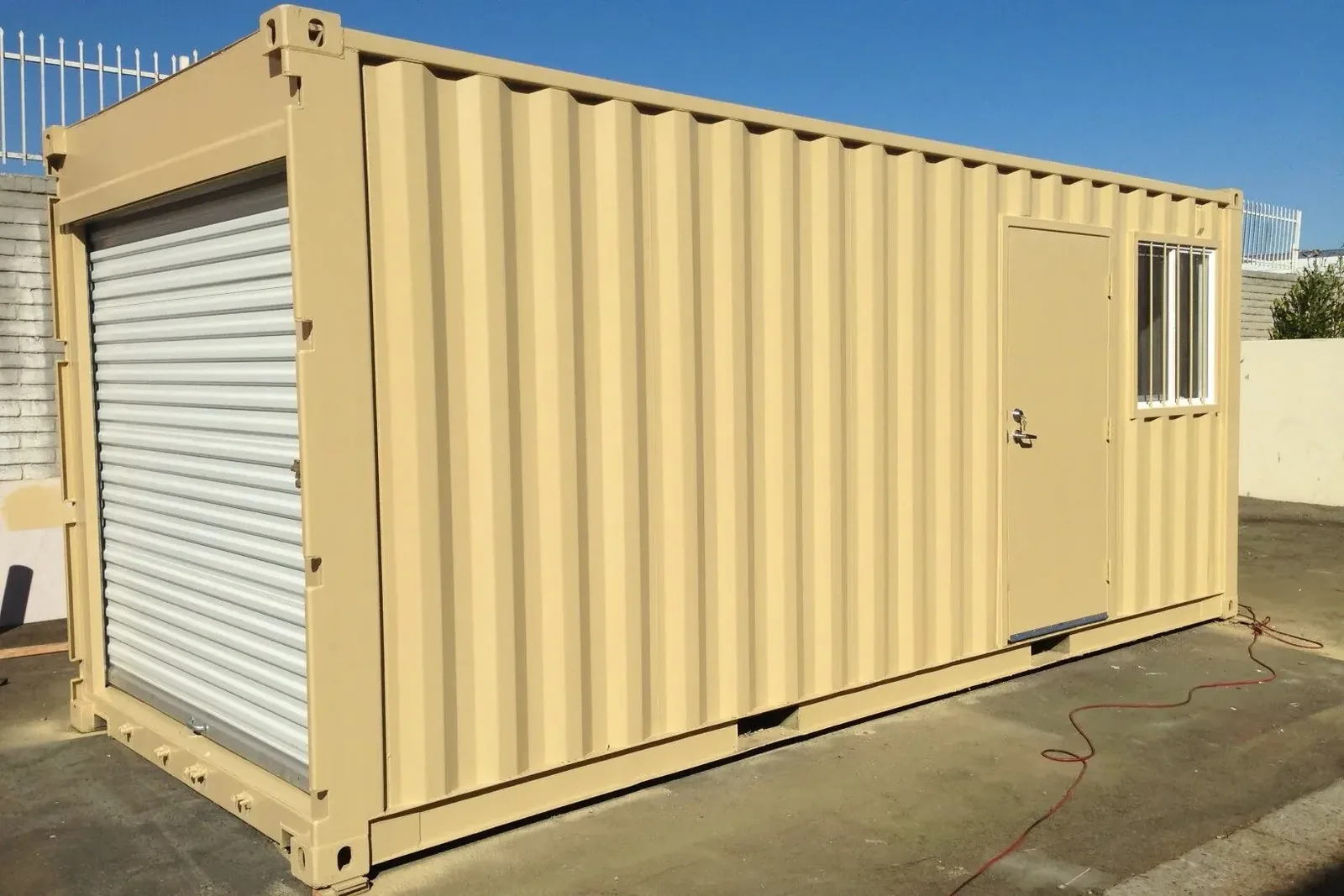
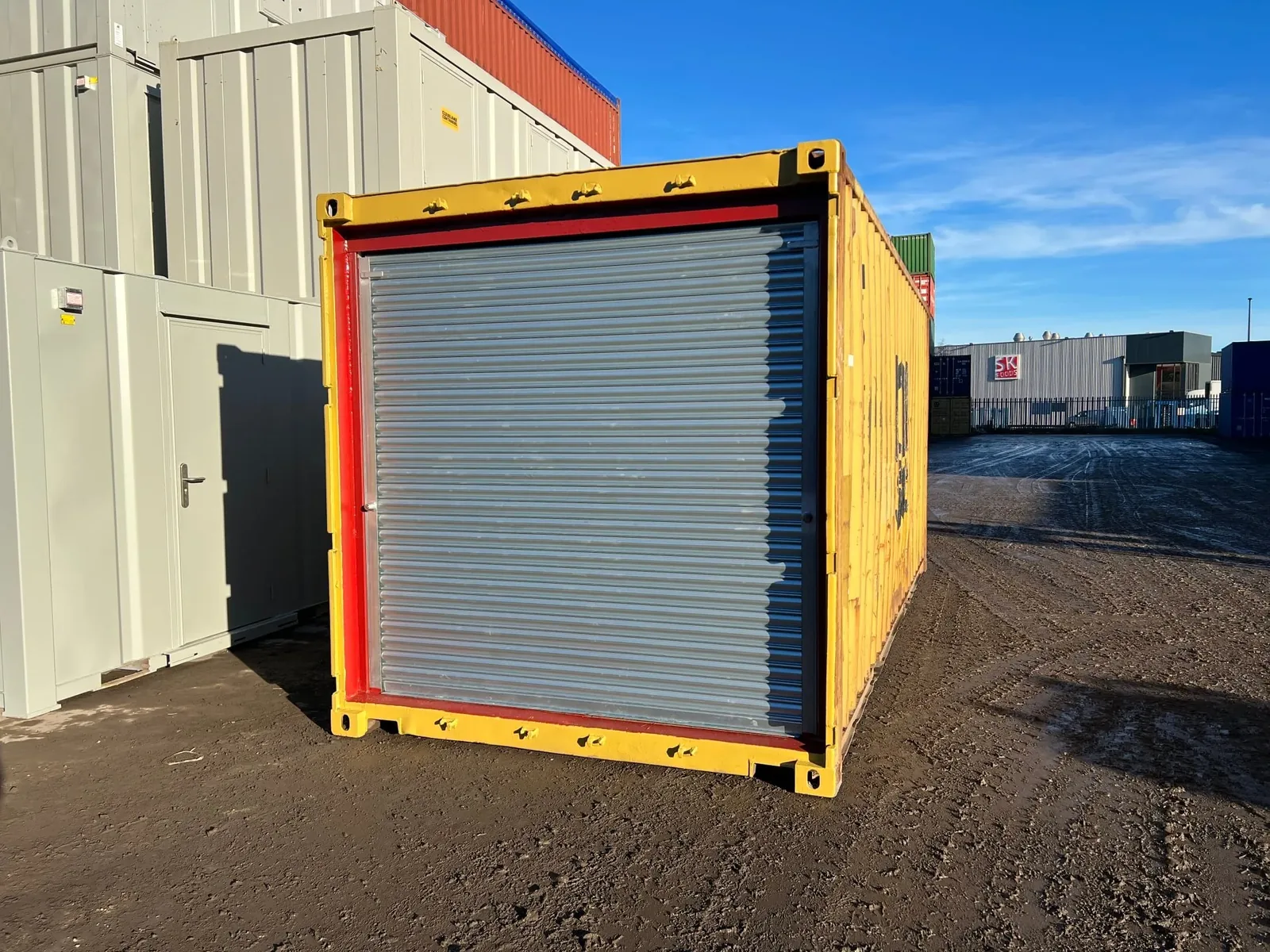
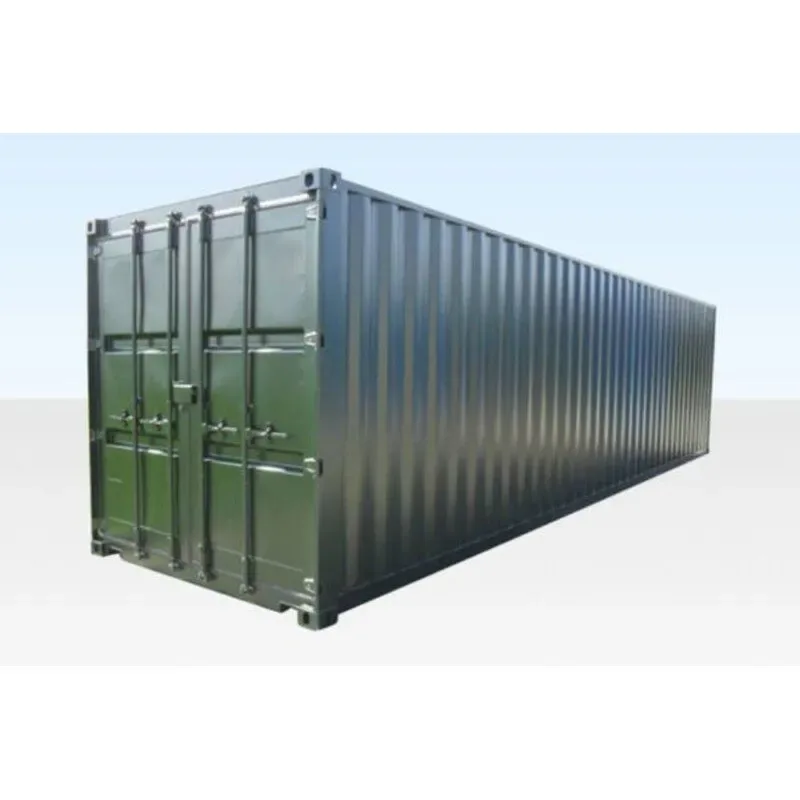
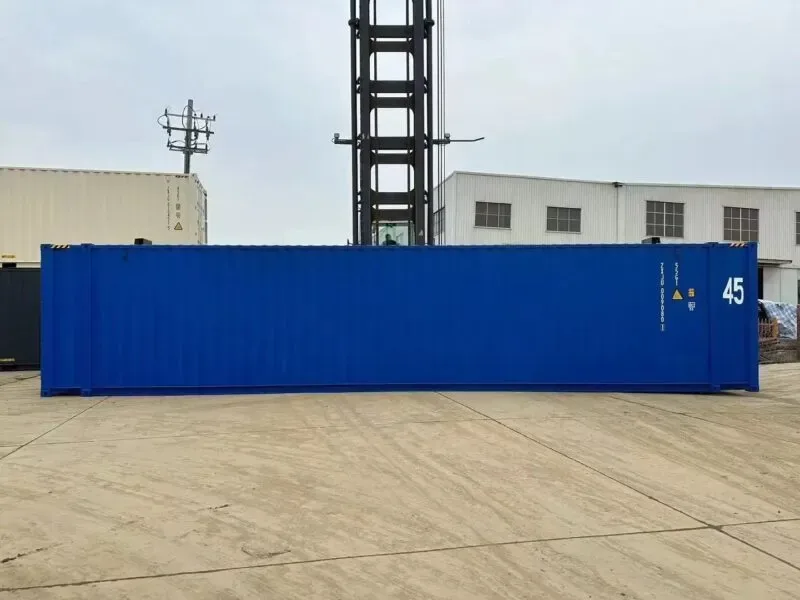
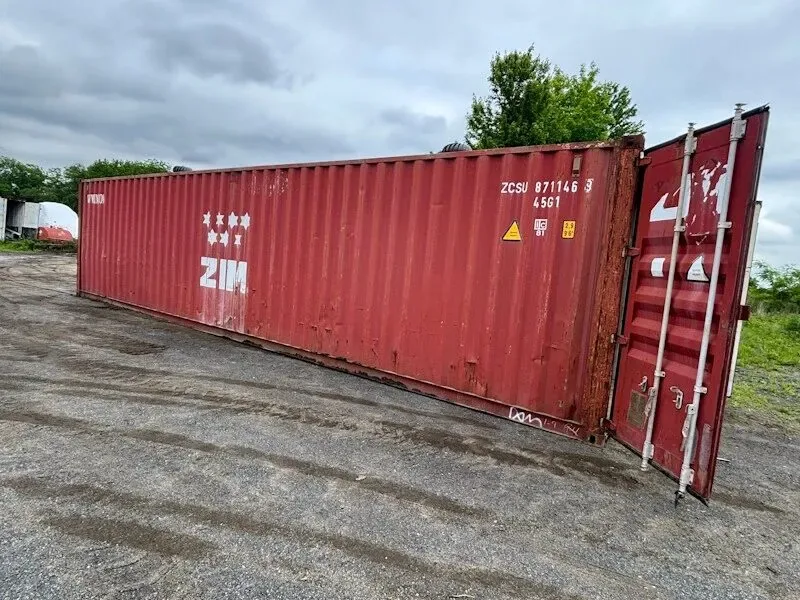
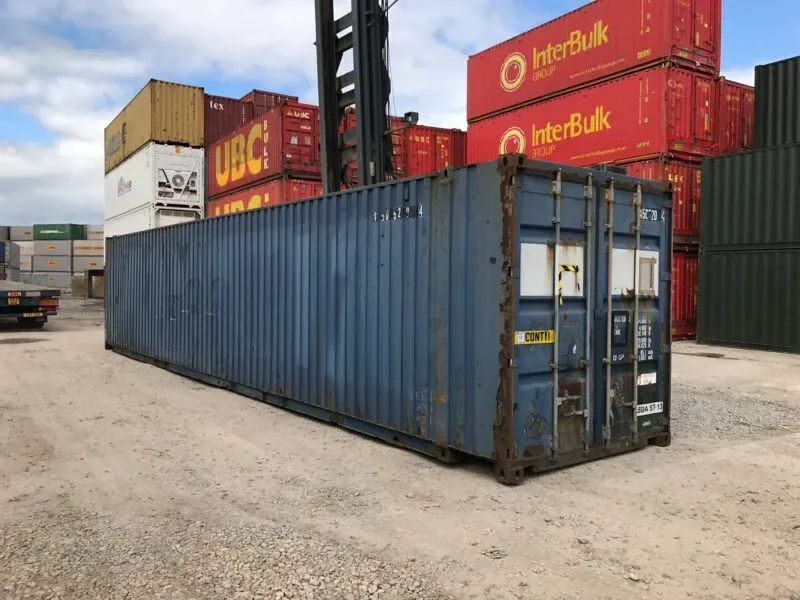
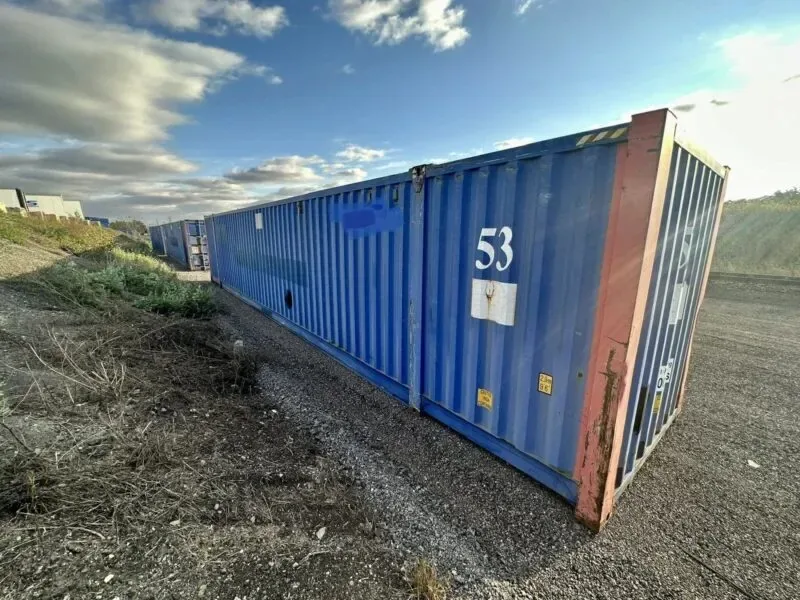
Storage containers in 10 ft, 16 ft, 20 ft, 30 ft and 40 ft, in one-trip, cargo-worthy and wind and watertight grades. Standard boxes are 8 ft wide and 8 ft 6 in tall; high cubes add a foot, at 9 ft 6 in. Roll-up doors on the storage line, double doors on most shipping units.
Every unit on the site is photographed and priced in dollars before you call. You are looking at the container you get, not a sample photo. The full line is in storage containers, and the 20 ft and 40 ft cargo boxes sit in shipping containers.
The alley is the real question
Chicago blocks are built around rear alleys, and that is usually where a container ends up — a back yard, a rear parking pad behind a three-flat, or a lot off the alley behind a shop. The container itself is easy. Getting a tilt-bed down that alley, tilted, and pulled straight back out is the part that decides whether the drop happens.
Three things stop a delivery here:
- Width at the mouth. The turn from the street into the alley is tighter than the alley itself. Measure that corner, not the middle of the block.
- Overhead. Utility lines, garage roof overhangs, low branches and wires crossing the alley. A tilt-bed needs about 14 ft of clear air over the whole run.
- Pull-out room. The truck does not reverse out of a tilt-bed drop. It drives forward with the bed coming down behind it.
If the alley cannot take the truck, there are two honest options: a street drop where the city allows it and you have the permit, or we set the unit on a nearby commercial lot and you move it the last few hundred feet with a rollback or forklift. Say so before dispatch and we will price it that way rather than find out on the day.
Straight run and overhead clearance
| Unit | Straight clear run | Overhead |
|---|---|---|
| 20 ft container | about 75 ft | 14 ft |
| 40 ft container | about 110 ft | 14 ft |
A 10 ft or 16 ft unit needs less run than a 20 ft, but the same ground rules. Send the alley width, the corner and the length of the run and we will tell you yes or no instead of guessing.
The ground: Chicago freeze-thaw
Chicago ground moves a lot between December and March, and a container set on bare dirt will move with it. Set it on a level, compacted gravel pad, or on concrete blocks under the four corners — and under the middle of a 40 ft as well, or the floor will sag. Not on asphalt you care about, and not on soft ground in a thaw.
A level base is what keeps the doors square. A twisted container leaks at the door seals, and that is the failure people blame on the box.
Winter, two habits: keep the doors clear of where the plow throws snow, and clear snow off the roof rather than letting it sit and melt into the seams. Steel plus road salt is a slow fight — keep the roof and the lower rails painted, and do not stack salt bags against the inside walls.
The route, and how long it takes
The run from Concord, NC to Chicago is about 750 miles, roughly twelve hours of driving before stops, north out of the Carolinas and across the mountains. Illinois is in our 4-10 business day transit window after dispatch, and dispatch happens 2-5 business days after your payment clears. Figure two to three weeks from cleared payment to the container sitting in your alley.
Delivery is quoted to your ZIP code and shown in writing on the invoice before you pay anything. We do not quote a flat rate to Chicago, because the last two miles cost more than the first seven hundred.
What to have ready
- Alley width at the street end, and the tightest point along the run.
- The height of any wire, branch or roof edge over the drop.
- Where the container sits, and who owns that ground — you, a landlord, or the city.
- A spotter on site for the drop, and the snow cleared if it is winter.
- A straight answer on permits. A container left on a Chicago lot is usually treated as a structure or an accessory use, so it runs through the City of Chicago Department of Buildings, and in practice the ward office is often the first call. We do not pull permits and we will not tell you that you do not need one.
Ordering
Nothing is charged on the website. Checkout sends an invoice with the unit, the delivery figure and the terms; you pay by ACH or wire, Zelle, or a secure card link. You can cancel at no cost any time before dispatch. Damage or a fault reported within 48 hours of delivery is repaired, replaced or refunded, with the return freight on us.
The detail is on delivery, payment and returns, and the buyer's guide covers grades and sizes. If you would rather just ask, send us the address and the measurements.