What comes off the truck in Philadelphia
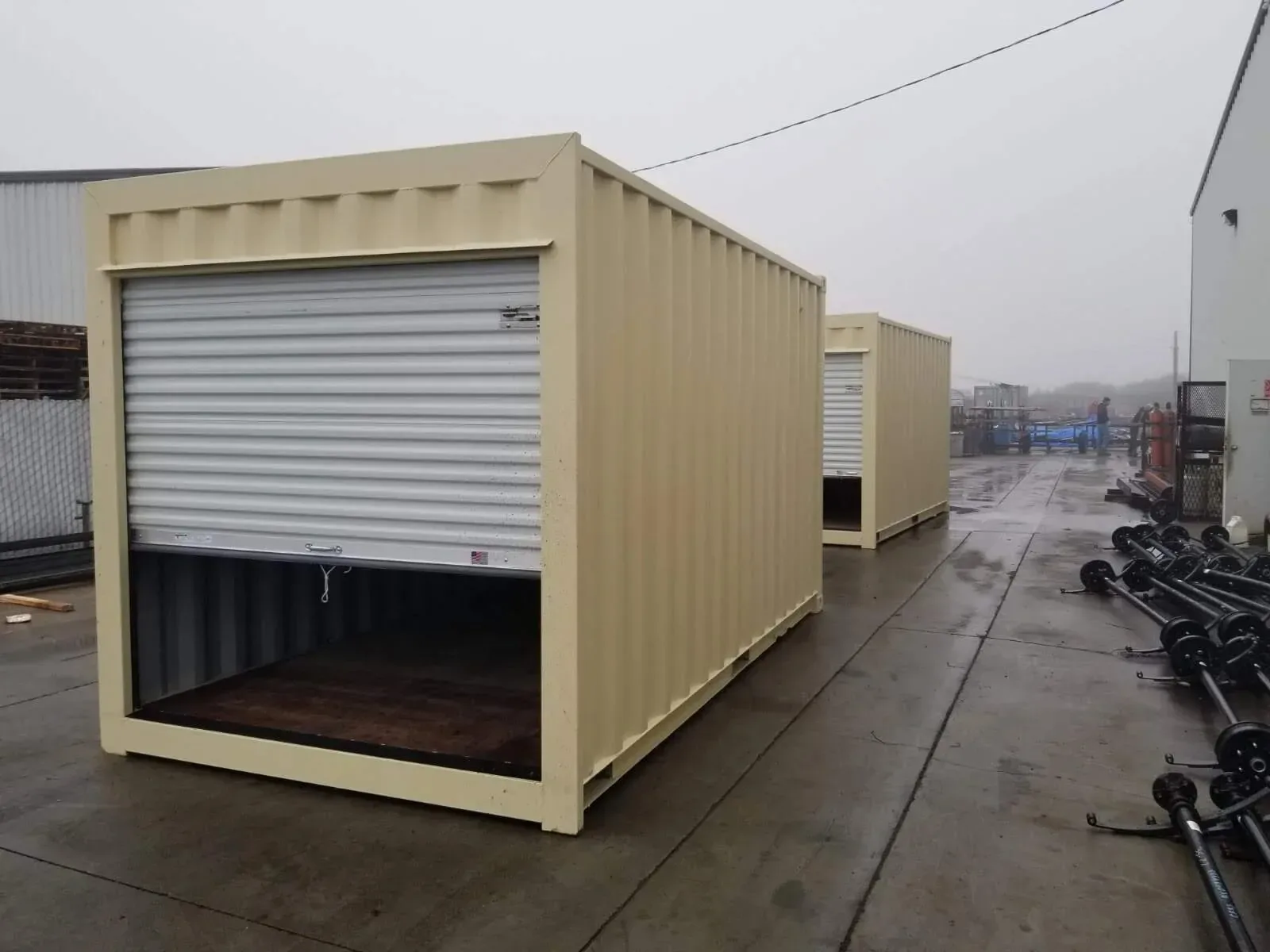
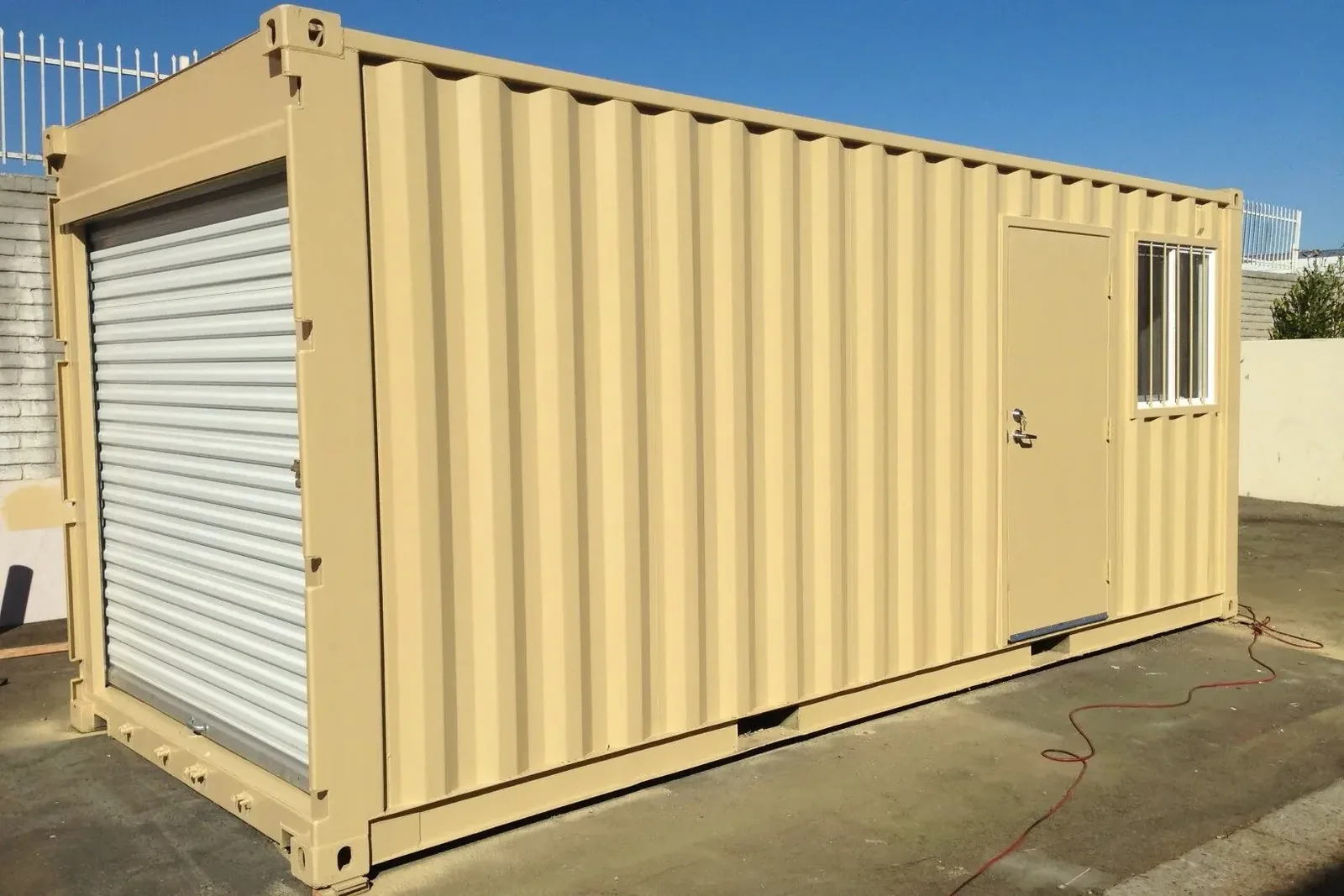
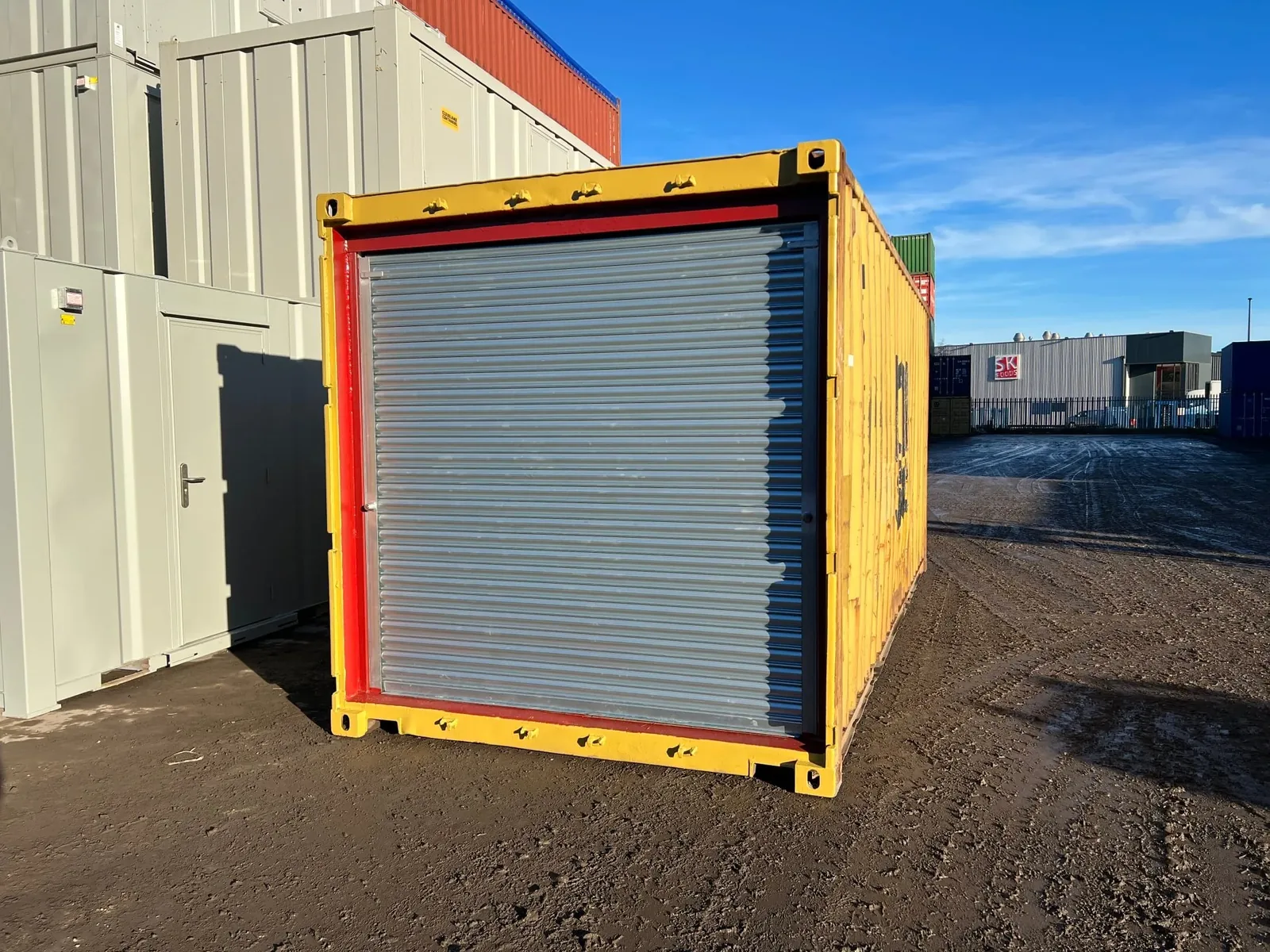
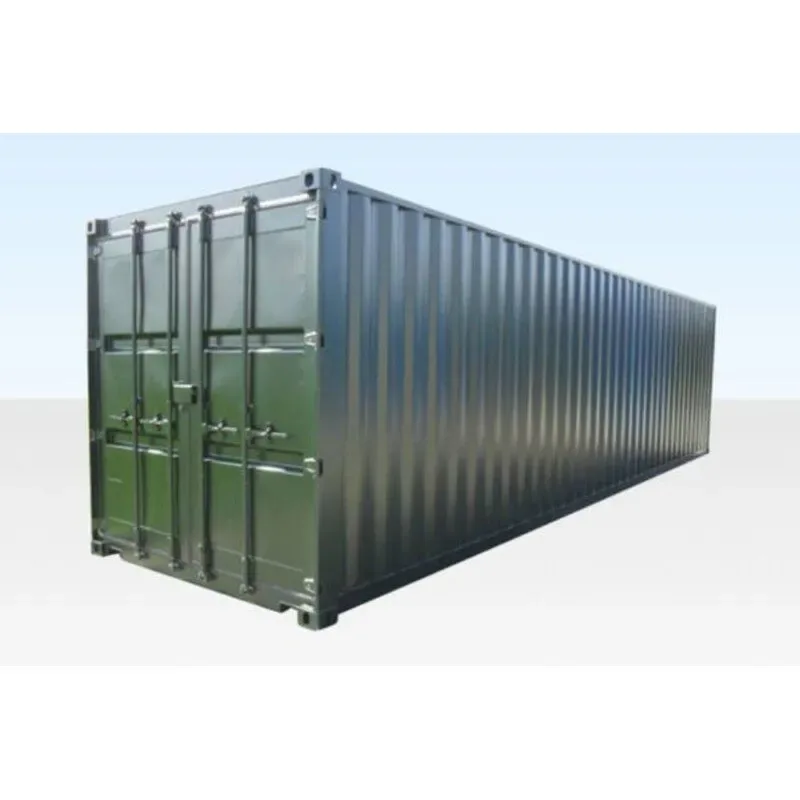
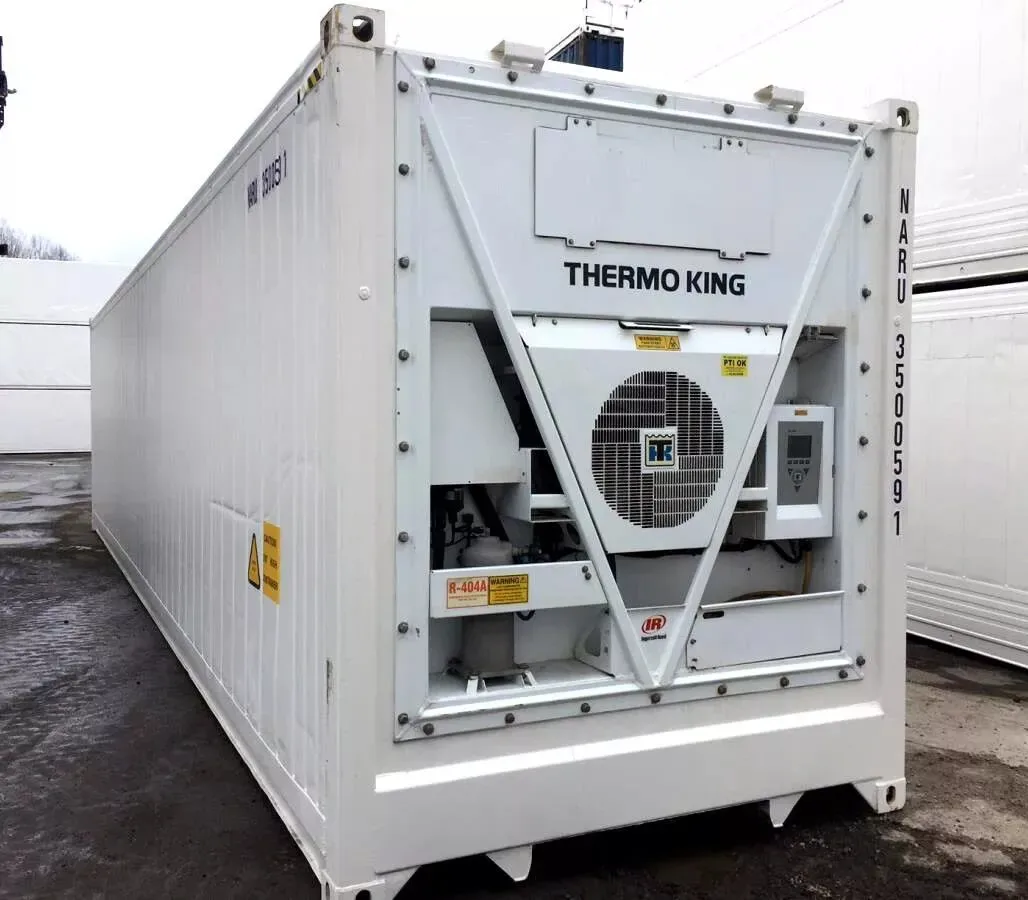
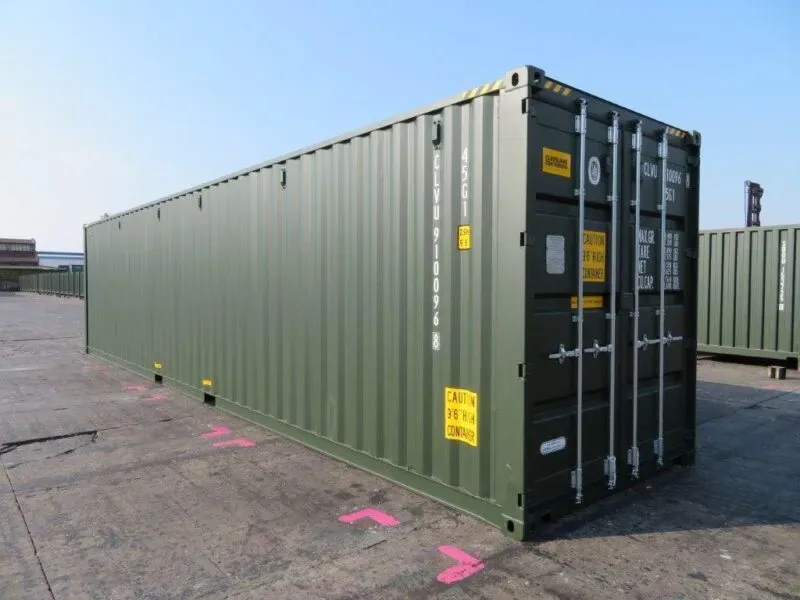
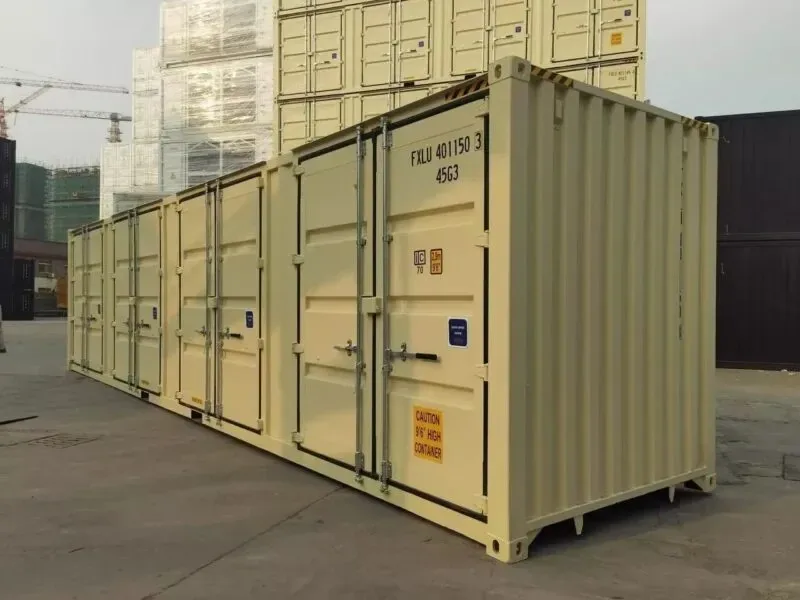
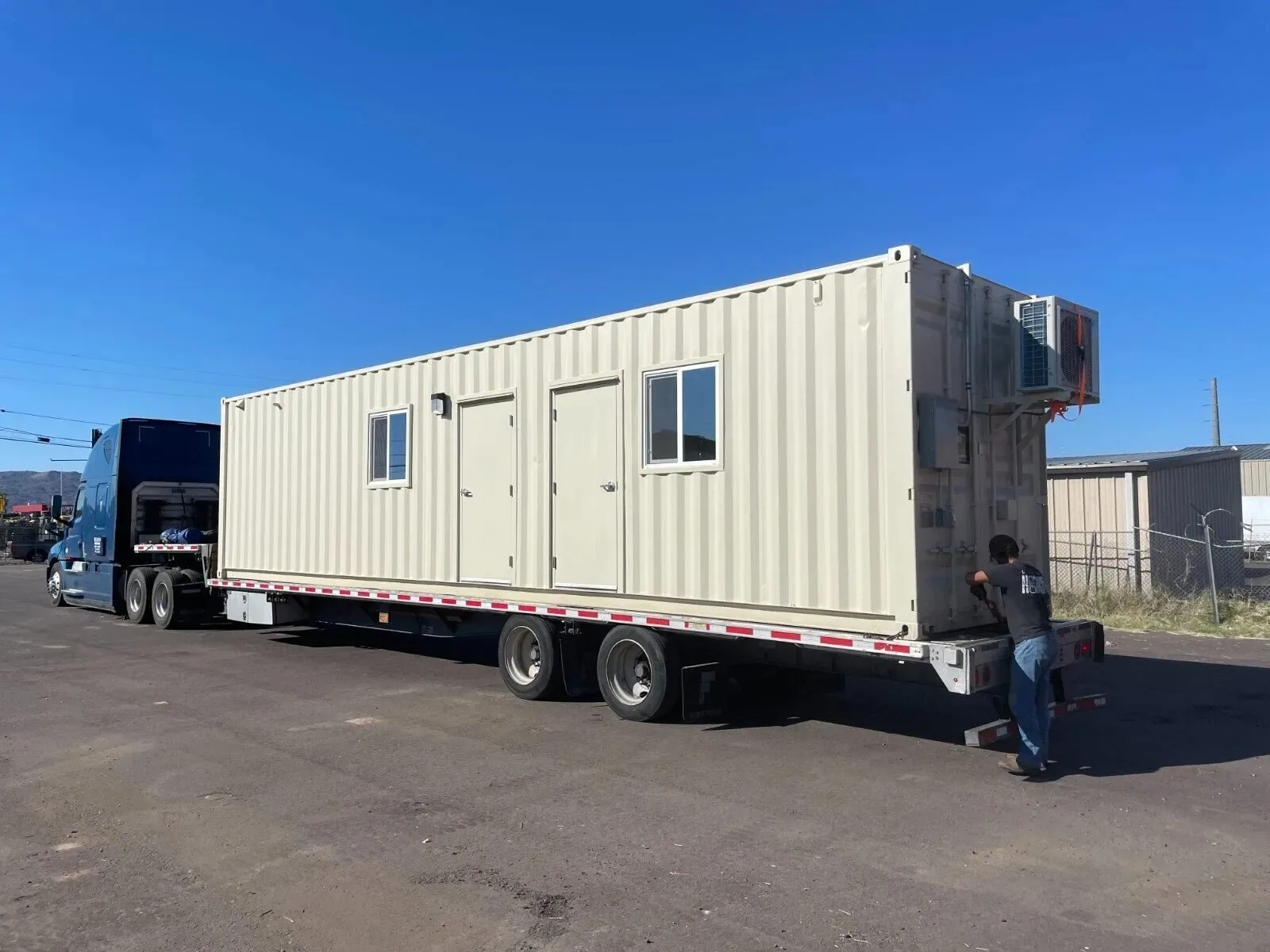
The storage line runs 10 ft, 16 ft, 20 ft and 30 ft, in one-trip, cargo-worthy and wind and watertight grades, with roll-up or roller-shutter doors on several units. Standard boxes are 8 ft wide and 8 ft 6 in tall; high cubes add a foot, at 9 ft 6 in. The 40 ft boxes sit on the shipping container side of the shop.
Every unit is photographed and priced in dollars before you call, so you are looking at the box you get rather than a sample. The full line is under storage containers.
Two deliveries, two different problems
Philadelphia is really two markets for us.
- Rowhouse blocks — South Philadelphia, Kensington, Fishtown, Port Richmond, Brewerytown, Germantown. Tight cartways, overhead wires, street trees, and nowhere to stage a truck while it works.
- Contractor yards and suburban lots — the industrial edges of the city and the towns around it: Norristown, King of Prussia, Folcroft, Warminster, West Deptford across the river. Open ground, wide gates, and a straightforward drop once the pad is right.
The box is the same in both. The drop is not. Tell us which one you are, up front, and the quote reflects it.
The rowhouse block
Most of Philadelphia's rowhouse streets were laid out before the automobile. The Act of 1855 set a 20 ft minimum street width, and plenty of cartways and alleys cut through the blocks are narrower than that. A tilt-bed needs roughly 11 to 12 ft of width to sit in, which most of these streets can give. What they often cannot give is length.
A tilt-bed does not reverse into a drop. It comes down the block, tilts, slides the container off behind it, and drives forward out. So the run in front of your address has to be straight and clear, with nothing parked in it that you cannot move.
Other things that stop a rowhouse drop:
- Overhead. Trolley-era wire, service drops to the houses, street trees and rooflines. The whole run needs about 14 ft of clear air.
- Parked cars. You generally need the block cleared, not just the space in front of your door.
- The corner. The turn into the block is usually tighter than the block itself. Measure the corner.
- Ground. A container set on a sidewalk vault, a cellar hatch or loose cobble will not sit level, and a twisted box leaks at the door seals.
Street placement: who you call in Philadelphia
A container cannot just sit in a Philadelphia street or across a sidewalk. Placement in the public right-of-way runs through the Department of Licenses and Inspections (L&I), which licenses containers in the right-of-way, and the Department of Streets has to pre-approve the location. For a temporary street closure or an equipment placement in the roadway, the city takes an equipment placement application. Plan a lead time; this is not a same-week approval and it is not something the truck can wait on.
On private property — your yard, a rear lot, a contractor's yard — the question is zoning. A container that changes land use, lot coverage, parking or setbacks can need a zoning permit, and in residential districts that is where neighbors' complaints land.
We do not pull permits. The property owner does, or their contractor does. What we will do is tell you what the truck needs, so you know what to ask the city for. If you are unsure, start with our FAQ and the quote form — tell us the address and we will say what we would check.
Straight run and overhead clearance
| Unit | Straight clear run | Overhead |
|---|---|---|
| 20 ft container | about 75 ft | 14 ft |
| 40 ft container | about 110 ft | 14 ft |
A 10 ft, 16 ft or 30 ft unit needs its own length plus room for the truck to work, and the same 14 ft of air. Send the block length, the tightest width and the height of the lowest wire, and we will give you a yes or a no instead of finding out on the day.
The contractor yard and the outer ring
Out past the rowhouses the job gets easier, on one condition: the ground is ready. Set the container on level, compacted gravel or on concrete blocks under the four corners, and under the middle of a 40 ft as well or the floor will sag. Not on soft fill, not on asphalt in a July heat wave, and not on a slope.
Philadelphia ground goes through freeze and thaw from December into March. A box set on bare dirt in November will be out of level by February, and the doors will tell you. Get the pad down first; the truck arrives once.
The route, and how long it takes
Concord, NC to Philadelphia is a little under 500 miles — eight to nine hours of driving before stops, depending on the way it routes. Two common ways north: I-85 to I-95 up through the Baltimore–Washington corridor, or I-77 to I-81 up the Shenandoah Valley and across on I-76, the Pennsylvania Turnpike, which is tolled.
Pennsylvania sits in our 2–7 business day transit window after dispatch, and dispatch happens 2–5 business days after your payment clears. From cleared payment to a container on your block, plan on four business days at the fastest and a bit over two weeks at the outside — and if the drop needs a crane, a street closure or an escort, the long end is the honest estimate.
Delivery is quoted to your ZIP code and shown in writing on the invoice before anything is paid. We do not quote a flat rate to Philadelphia, because a drop in Roxborough and a drop in a Kensington cartway are not the same job.
What to have ready
- The block length in front of the address, and the tightest point along it.
- Height of the lowest wire, branch or roof edge over the run.
- Whether the container lands on your ground, a landlord's, or the right-of-way.
- A straight answer on permits — or a call in to L&I already under way.
- Somebody on site for the drop, and the parked cars moved.
Ordering is simple: pick the unit, we send an invoice, you pay by ACH or wire, Zelle or a card link, and nothing is charged on the website. Orders can be cancelled at no cost before dispatch, and damage reported within 48 hours of delivery is handled at our cost. Read the delivery policy and the buyer's guide on containers before you order, then send us the address.