What comes off the truck in Seattle
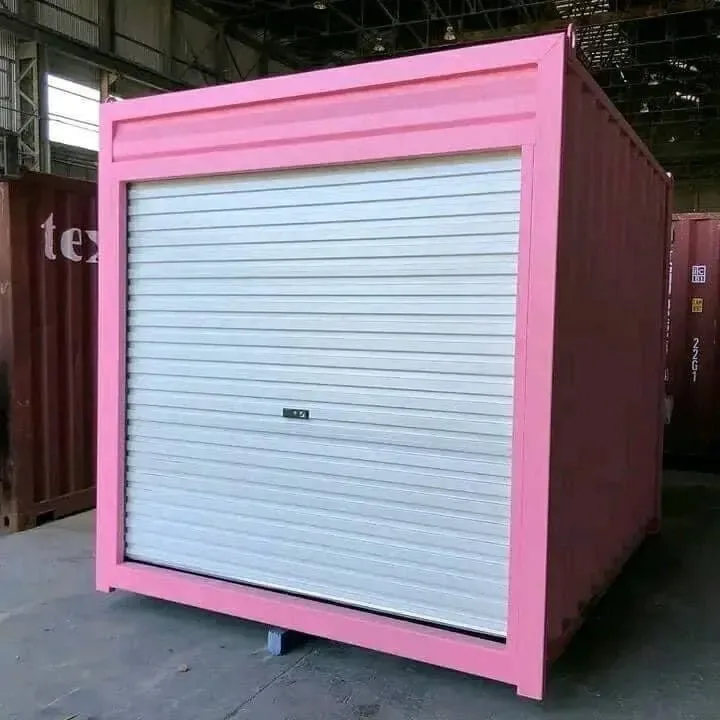
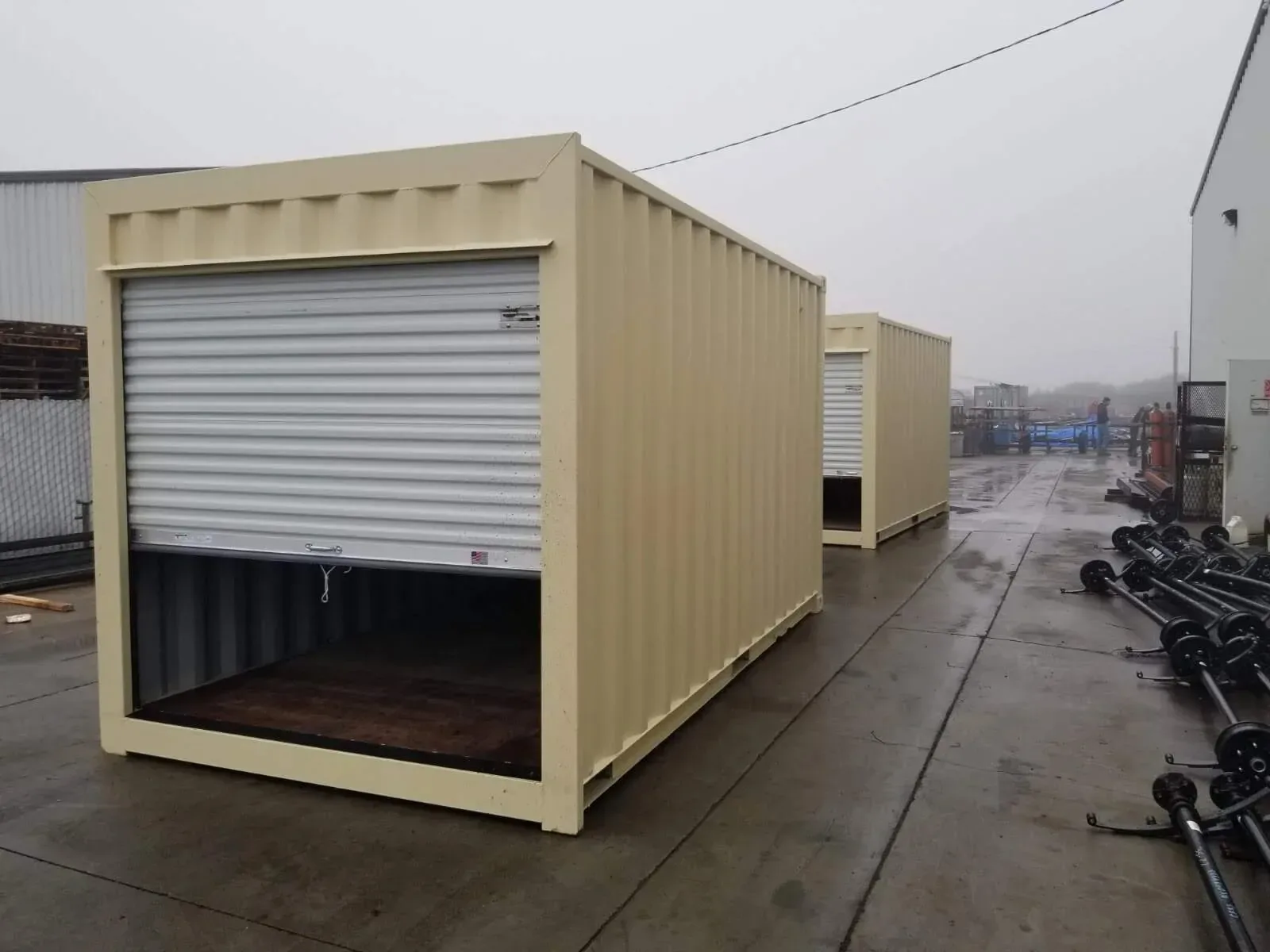
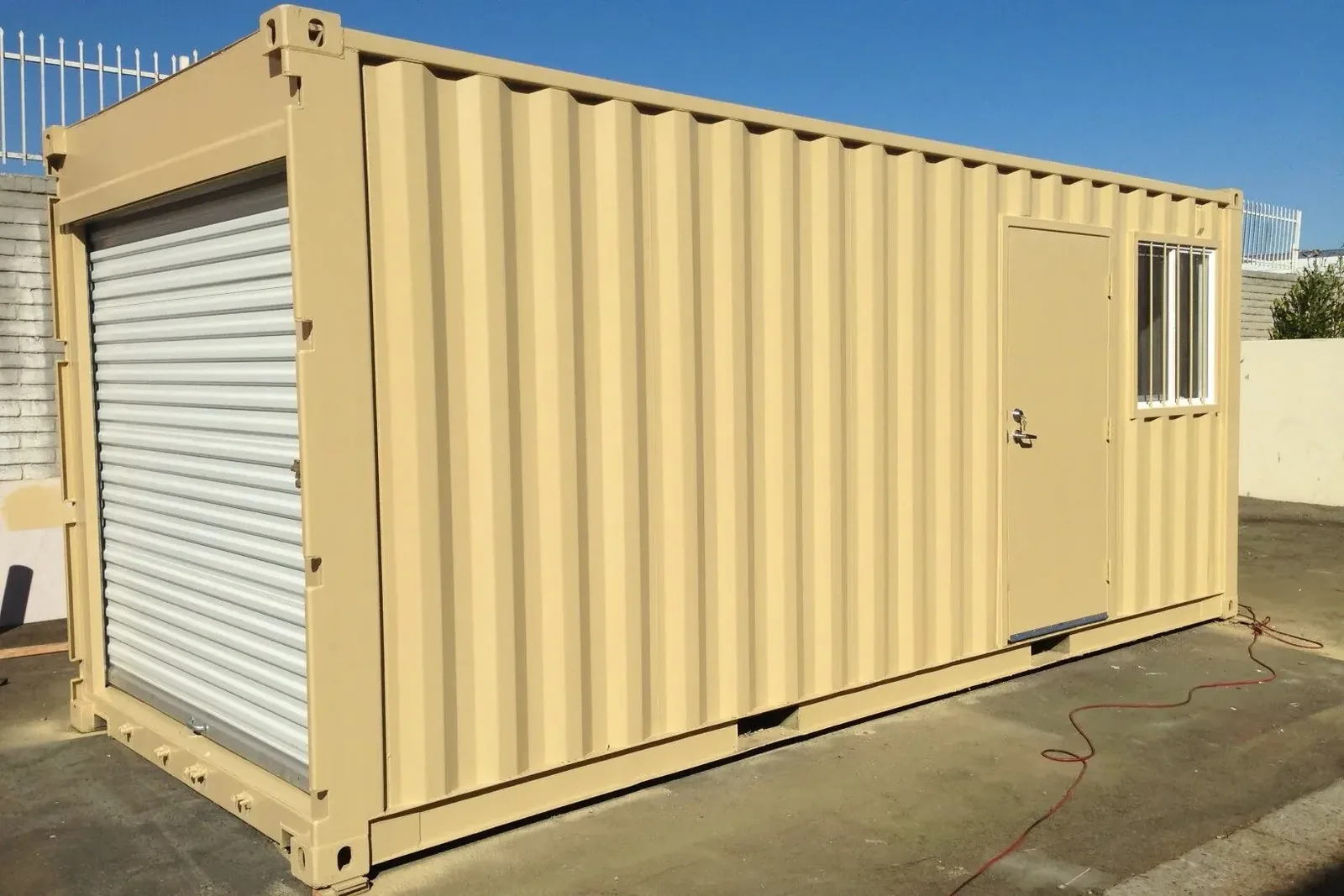
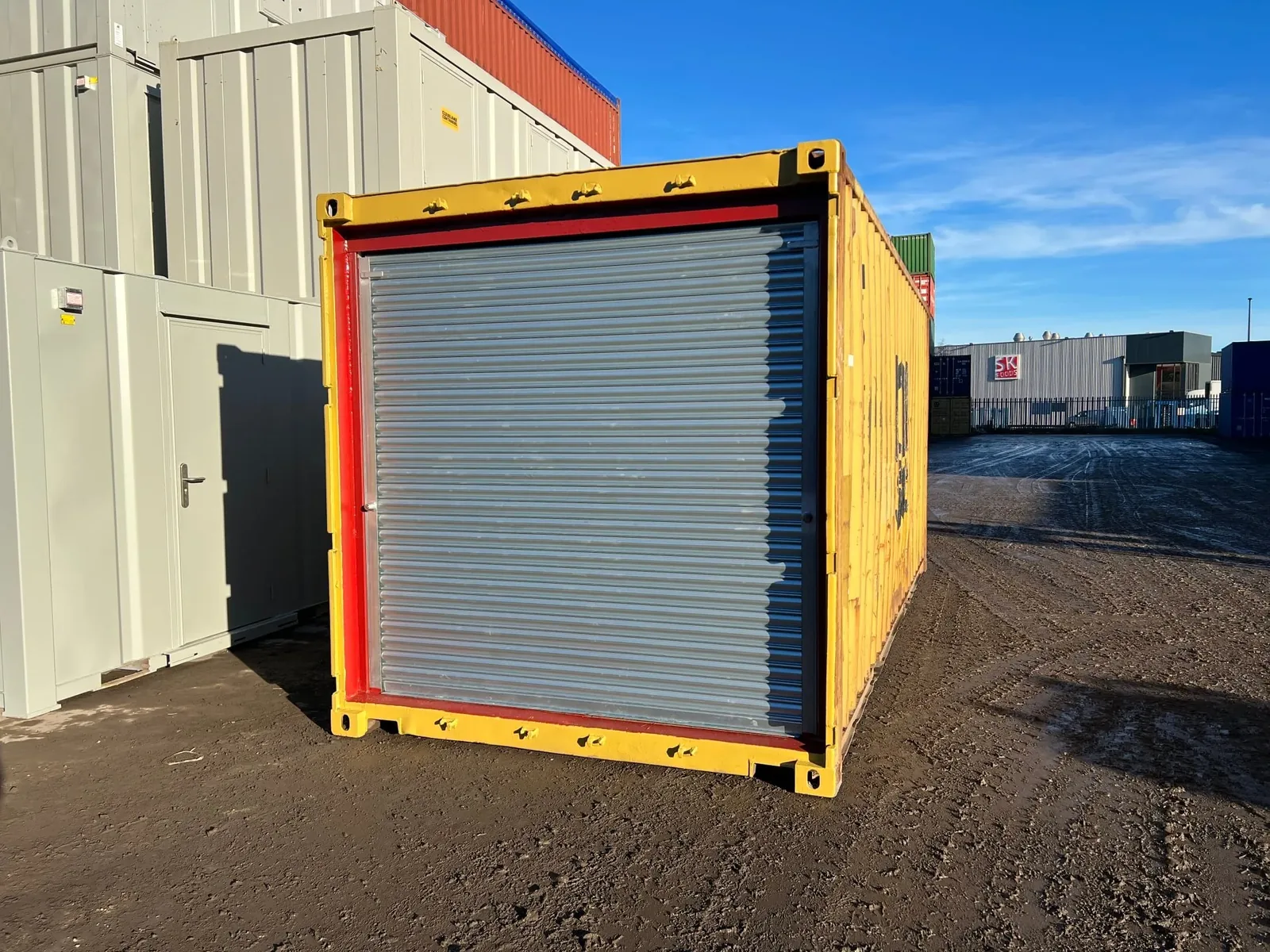
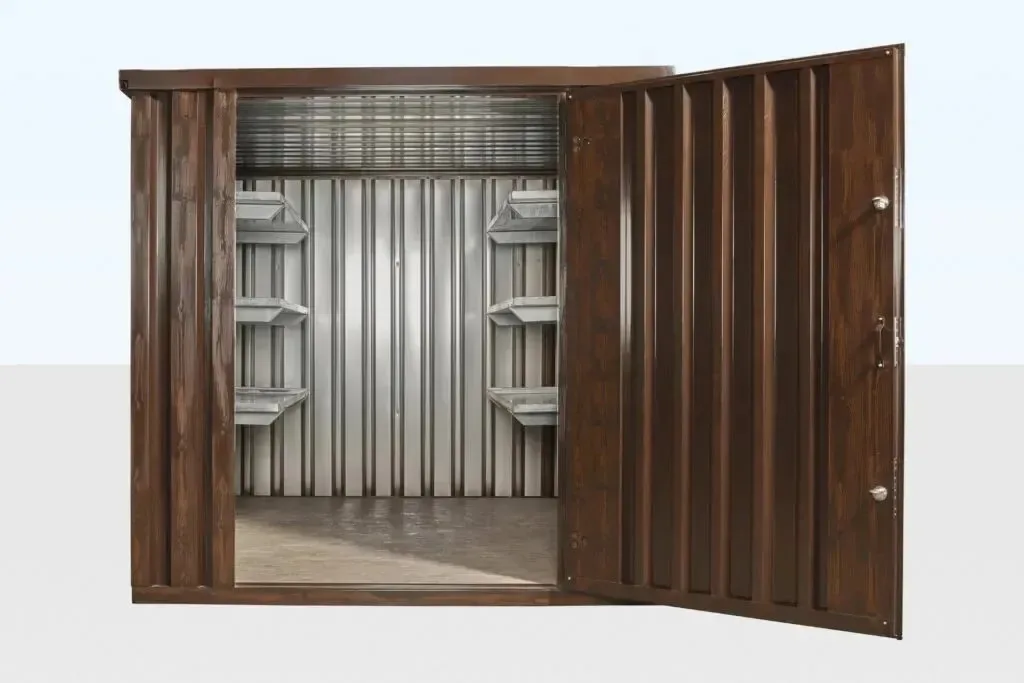
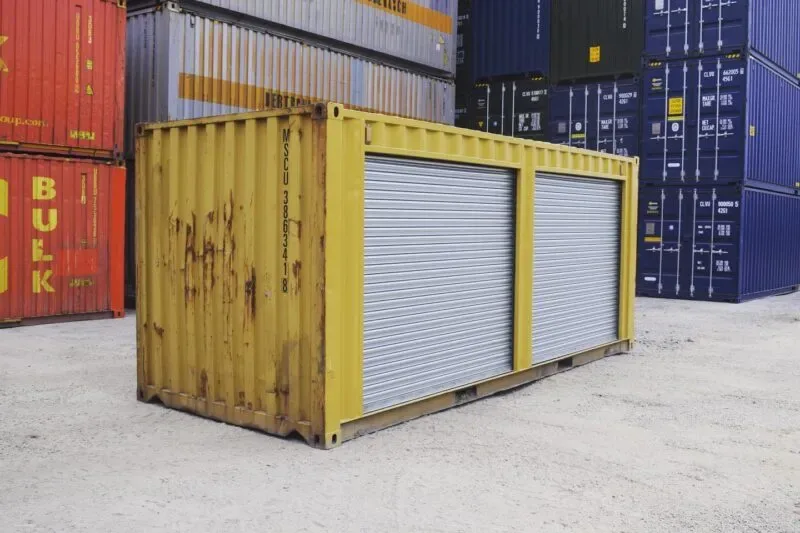
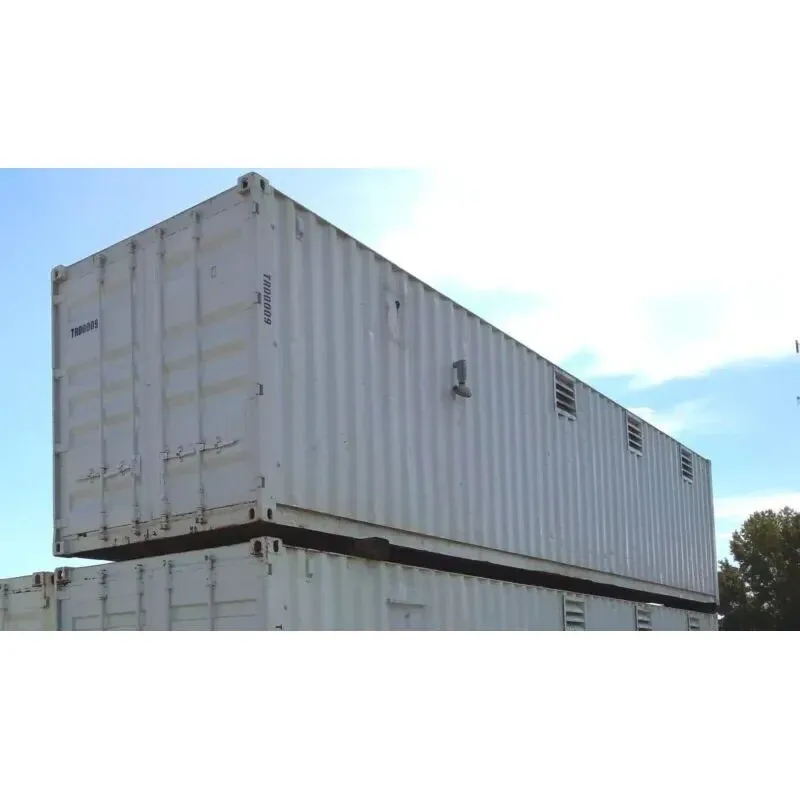
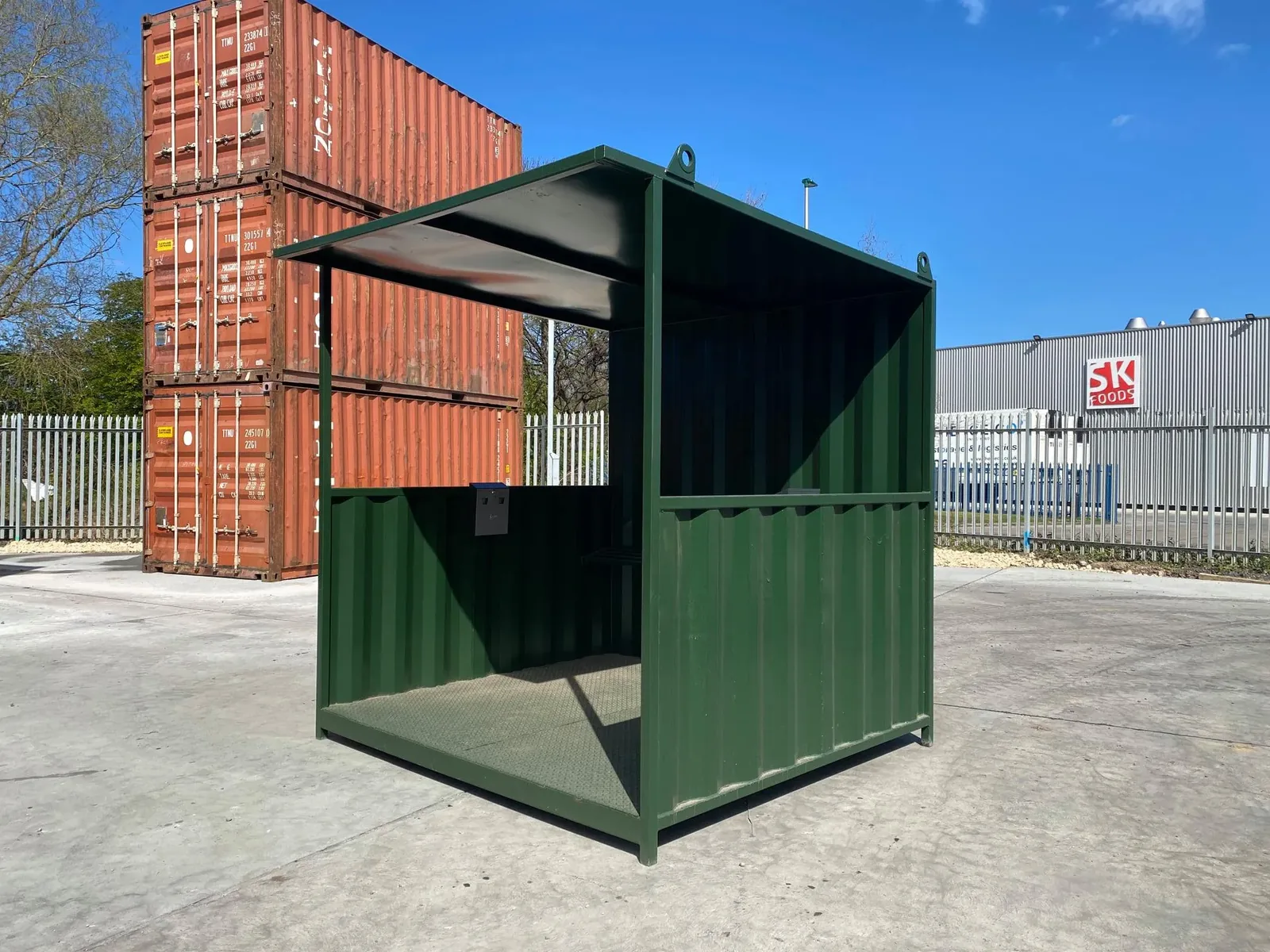
The storage line runs 10, 16, 20 and 30 ft, in one-trip, cargo-worthy and wind and watertight grades, with roll-up or roller-shutter doors on several units. Standard boxes are 8 ft wide and 8 ft 6 in tall. High cubes add a foot at 9 ft 6 in and sit on their own page. The 40 ft boxes are on the shipping container side of the shop.
Every unit is photographed and priced in dollars before you call, so you are looking at the box you get rather than a sample. For a Seattle lot the 20 ft is the workhorse: 20 ft long, 8 ft wide, and it needs less clear run than anything longer. On a driveway off a 30 ft street, 10 ft and 16 ft are worth a look. The full line is under storage containers.
The route, and what the window means
Seattle is about 2,800 miles from the lot, roughly 50 hours behind the wheel. The truck runs I-77 and US-35 across the Appalachians, I-74 through Indiana and Illinois, I-80 into Iowa, then I-90 the rest of the way across South Dakota, Wyoming, Montana and Idaho, over Snoqualmie Pass and down into the city.
Washington sits in our 7-18 business day band after dispatch, and dispatch runs 2-5 business days after payment clears. Read that band as the honest answer rather than a promise: Snoqualmie Pass closes for weather and avalanche control in winter, and no schedule survives a closed pass. If your drop is time-critical, say so up front and we will tell you what we can and cannot stand behind.
The delivery figure is priced to your ZIP and shown in writing on the invoice before anything is paid. Nothing is charged on the website: checkout sends an invoice, paid by ACH or wire, Zelle, or a secure card payment link. See delivery and payment methods.
A tilt-bed does not reverse into a drop
This is the part that decides whether a Seattle address works. The trailer comes down the block, tilts, slides the container off behind it and drives forward out. It cannot back a box into a tight spot, so the run in front of your address has to be straight and clear.
- About 75 ft of straight clear run for a 20 ft, about 110 ft for a 40 ft.
- About 14 ft of clear air across the whole run.
- Firm, dry ground under both the trailer and the box.
Seattle's residential blocks are often 25 to 30 ft of asphalt with cars parked along both sides, and on Queen Anne, Magnolia, Beacon Hill, West Seattle and Capitol Hill the grade climbs hard inside a single block. A truck can sit in that street. A steel box will not stay put on a slope, and the tilting deck cannot work at that angle. Out of level is worse than steep: a box that lands twisted leaks at the door seals from the day it arrives.
Where the run or the grade does not exist, the answer is a crane. A flatbed or step-deck brings the box and a crane sets it over a fence, a hedge or a retaining wall. Tell us at quote time and the crane goes into the delivery figure; on the morning of the drop it is a different conversation. Measure the turn into the block as well as the block itself, because the corner is usually the tightest part.
Overhead, and the street itself
Street trees, service drops to the houses, power lines in the older neighborhoods, and the trolleybus wire downtown. The whole run needs about 14 ft of clear air, and one low branch at the wrong end of the block stops the drop.
Parked cars are the other half of it. You generally need the run cleared, not just the space in front of your gate, which means talking to your neighbors before the truck arrives rather than on the day.
Placement in the street, the parking strip or across a sidewalk is not ours to arrange. Seattle requires a Street Use permit before a portable container is placed in the public right-of-way, and that permit is the customer's to apply for and hold before the box ships. On private ground the question becomes how the city treats a container that stays, which is a call for Seattle's Department of Construction and Inspections. We deliver; we do not pull permits.
Many Seattle blocks have an alley behind them. If yours is straight and clear, an alley drop is often easier than a street drop, and it is worth checking before you rule it out.
A pad that drains
Seattle gets about 39 inches of rain a year across roughly 156 days, and close to half of it falls from November through February. A box set flat on bare dirt here is sitting in mud by January, and mud is how a level box goes out of level.
- Level the pad first: compacted gravel or crushed rock, or 4x4 timbers under the corners on firm ground.
- Give it a slight fall away from the doors so water runs off rather than standing under the floor.
- Keep the doors off the weather side where the site allows it. Wind-driven rain at the seals is where leaks start.
- Ventilate it. Warm damp air meeting cold steel condenses on the ceiling and drips on whatever is underneath, and two vents cost less than a ruined load.
The buyer's guide goes further on grade, pad and clearance.
Where the box goes
Three kinds of Seattle delivery, and they behave differently.
- Contractor yards and job sites. SoDo, Georgetown, Ballard, Interbay, Fremont: wide gates, forklift traffic, open ground. Straightforward drops.
- Residential lots. Rainier Valley, West Seattle, Ballard, Shoreline, Burien and the rest of the city's house lots. Tight, and the run is the whole question.
- Out of the city. Kent, Auburn, Renton, Everett and Tacoma have flatter ground and bigger lots, and a 30 ft box is a much easier sell out there than on a city block.
Addresses on Bainbridge, Vashon and the other islands need a conversation before you buy, because the routing is not the same as a mainland street address.
Buying from 2,800 miles away
Free pick-up at the Concord lot is not much use from Seattle, so the photograph, the grade and the invoice are what you have to go on. Every unit is photographed and priced up front, and units can be inspected at the lot by appointment if you have someone local to look. Orders can be cancelled at no cost before dispatch, and damage reported within 48 hours of delivery is repaired, replaced or refunded, with the return freight on us. The refund policy has the detail.