There is no single US rule
Permits for a shipping container come from the city or county that governs your parcel, not from a federal standard and not from the seller. Two neighbours can get different answers because one is inside city limits and the other is in the unincorporated county. Treat any blanket answer you read online, including the confident ones, as a question to check rather than a ruling.
Four things that usually decide it
- How you use it. A box holding tools, mowers or stock is usually treated as accessory storage. A box people work, sleep or live in gets treated as a building, with plan review and separate permits for power, water and septic.
- How it sits on the ground. A gravel pad, timber skids or block runners read as temporary to many inspectors. A poured slab, a permanent anchorage or a utility connection is more likely to be treated as a permanent structure — and a permanent foundation is where a building permit most often appears.
- How long it stays. Plenty of codes issue a separate temporary storage permit and cap the duration, or allow a container on site while a build is active. Permanent placement is a different application from a 90-day one.
- Zoning, not just the building code. Setbacks, height, lot coverage, maximum accessory square footage and which uses are allowed at all are zoning questions. A zoning officer can say no where the building department would say yes, so ask both.
Questions to put to the building department
- Is a shipping container classed as an accessory structure here, and does storage-only use need a permit?
- What are the setback, height and lot coverage limits for the spot it will sit on?
- Do you want a survey or plot plan with the application?
- Does the answer change if the box is anchored, or wired for power and light?
- Is the parcel in a flood zone, a high-wind zone or a historic district, and does that require engineered anchorage or tie-downs?
- Is there a time limit on how long an unpermitted storage container may stay?
Get the answer by email if you can. A written reply travels better than a phone call when the truck is already booked.
Check the HOA and the deed first
A homeowners association, a recorded deed restriction or a commercial lease can prohibit containers outright, whatever the city allows. Covenants often restrict size, color, visibility from the road and how long a unit may stay. Read them before you order — it is a short check, and it is cheaper to find out at that stage than after the container is on the ground. Get any HOA approval in writing too, since boards change.
Permits for an occupied container
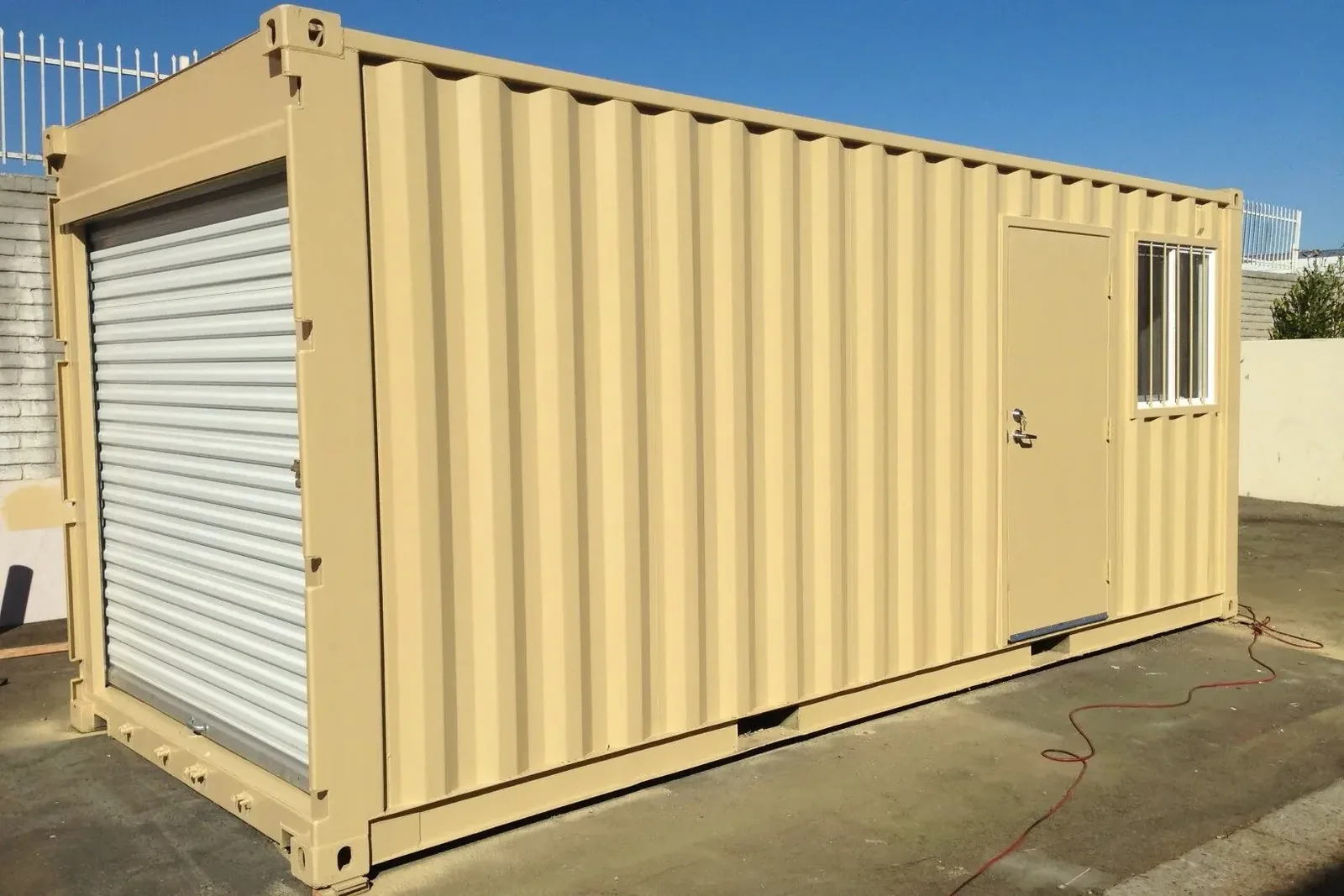
An office, cabin or dwelling is a different job from storage. Expect a building permit, plan review, and electrical, plumbing and mechanical permits where those systems are installed; expect questions about egress, fire separation and accessibility. Some departments want plans stamped by an engineer licensed in that state. The container itself arrives as a container — it left the factory as cargo equipment, not as a habitable structure — so the approvals that turn it into a permitted building are between you, your designer and the jurisdiction.
Where Ironyard fits
We sell the container and deliver it. We cannot tell you what your city will require on your parcel, and nothing here is a ruling on your land. The clean order is: permit answer first, payment second. Dispatch runs 2 to 5 business days after payment clears and orders can be cancelled at no cost before dispatch, so an unanswered permit question is not worth paying against. If you want to see the grade and the door before committing, units can be inspected at the lot in Concord, NC by appointment and pick-up there is free.
Site access is a separate question
Even a permit-free storage box needs a truck that can reach the spot. A tilt-bed drop needs about 75 ft of straight clear run for a 20 ft container and about 110 ft for a 40 ft, plus 14 ft of overhead clearance and firm, dry ground. Measure the gate, the drive and the wires overhead before delivery day. Delivery is priced to your ZIP and shown in writing on the invoice before you pay — delivery details.
What to order once the answer is yes
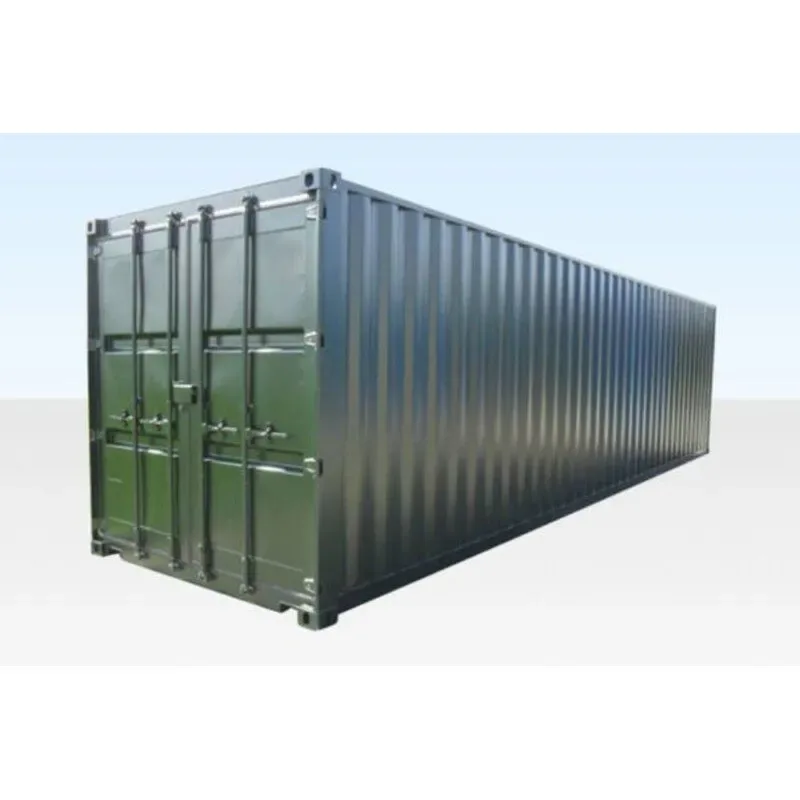
For plain storage, a 20 ft is the common pick: 8 ft wide, 8 ft 6 in tall, and enough floor to walk a mower in. A 10 ft or 16 ft unit fits a tighter yard or a narrow side lot; a 40 ft high cube earns its freight only when you have the clear run for the truck and the volume to fill it. Browse storage containers, or modified and office containers if people will be working inside. The buyer's guide covers grades and sizes, and contact gets you a delivered figure for your ZIP.