The steel is not the weak point
Containers are built from cor-ten steel in 8 ft wide panels with a 1 in or thicker plywood or bamboo floor over steel crossmembers, and they are designed to be stacked loaded at sea for years. The box itself is not fragile. What fails first is the coating, then the bare steel underneath it, then the floor and the door hardware. That order matters, because it tells you where to look and what to keep up.
What shortens a container's life
- Standing water underneath. A box set flat on dirt in a low spot holds moisture against the crossmembers and the underside of the floor pan. The floor rots and the framing rusts from below, where you cannot see it. This is the single most common way a sound container is ruined.
- A dented roof. Roof panels are thin compared with the sides. One knock from a limb or a loader and the panel dishes, water ponds in the dish, the paint lifts, and pinholes follow. A ponding roof turns into drips onto your stock within a season or two.
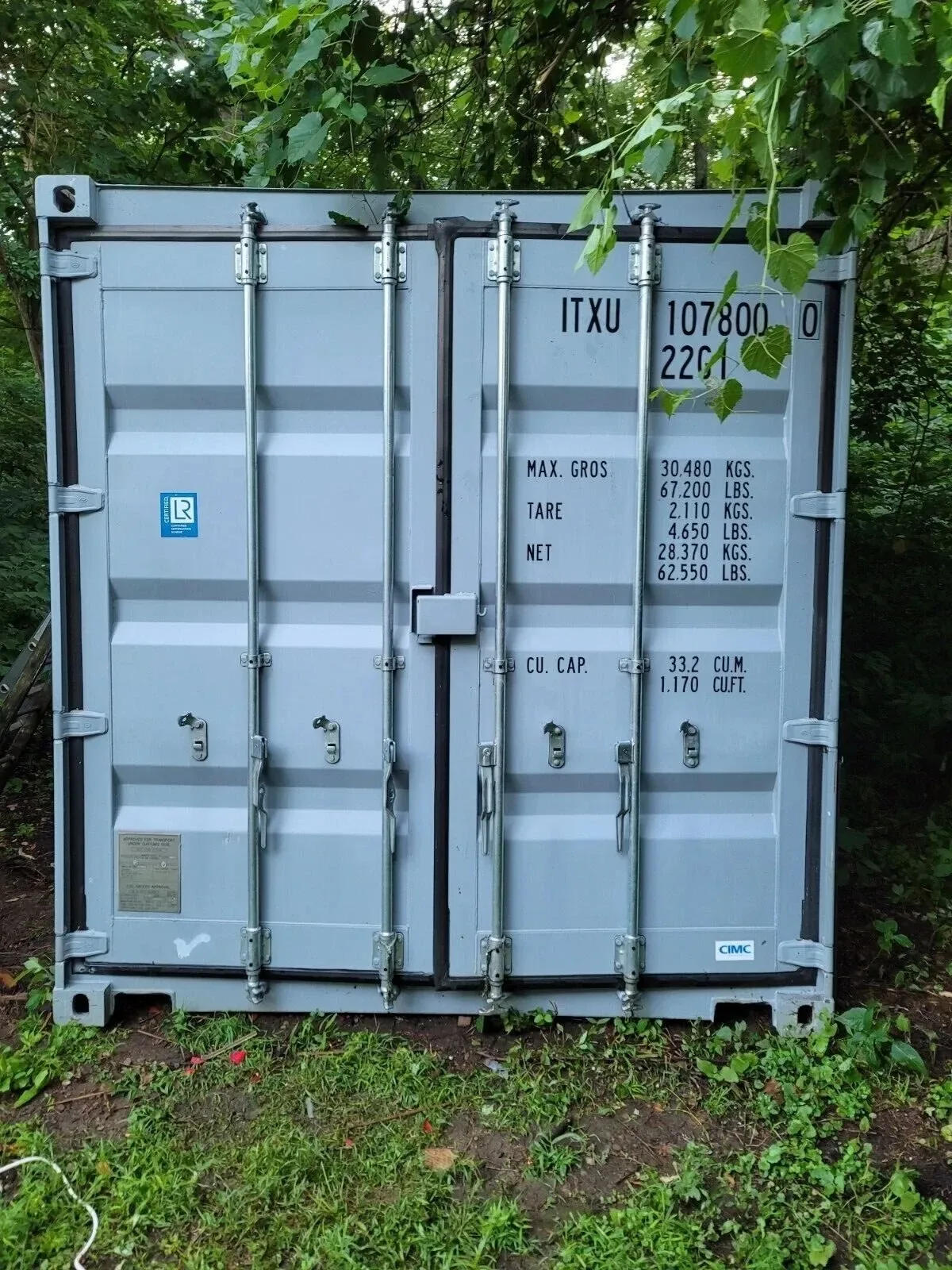
- Rust at the door frame and corner castings. The door end takes the weather and the handling. Rust creeping out from behind the door gasket or around the corner castings is what makes doors stiff and eventually leak.
- Doors left to seize. Locking bars and cams that are never worked will bind, and a door forced open bends the bars and tears the gasket. A torn gasket is a permanent leak until it is replaced.
- Condensation inside. Steel sweats when warm moist air meets a cold wall, and any moisture that cannot drain goes into the floor. Keeping the floor dry is a big part of keeping the box sound.
What extends it
- A level pad, above the water line. Firm, dry, drained ground, with the box up on timber, concrete blocks or a gravel pad at the corner castings so air moves under the floor and rain runs away.
- Clear of vegetation. Grass and brush against the sides hold damp against the paint and hide rust until it has spread.
- Two inspections a year. Walk the roof, check the door gaskets, look along the bottom rail and the underside. Ten minutes twice a year catches rust while it is a spot, not a panel.
- Touch up bare steel. Wire-brush the spot, prime it, paint it. Rust only spreads where bare steel is exposed, and stopping it early is cheap.
- Look after the doors. Work the locking bars, keep the gasket clean, wipe it with silicone or a gasket treatment. A door that shuts square and seals keeps the whole box dry.
- Do not load the roof. Walk on it carefully when you have to, and keep weight off the panels.
One-trip, cargo-worthy and WWT start from different places
The grade on the listing tells you how much of that life is already spent.
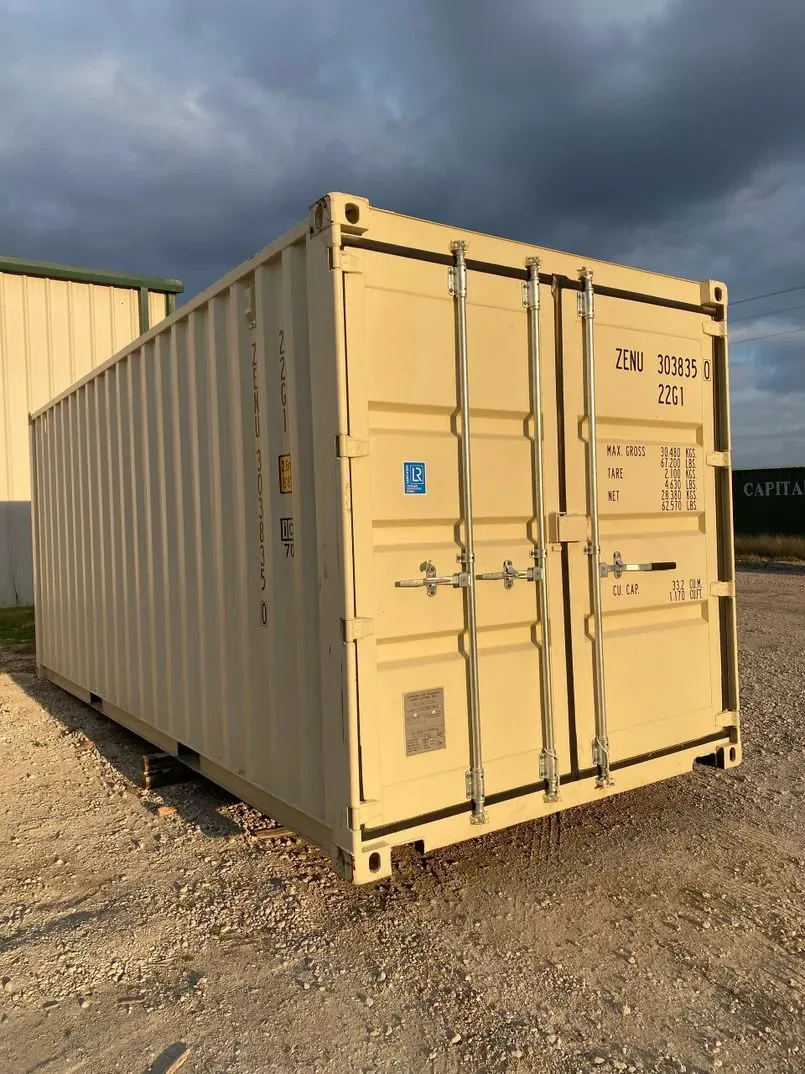
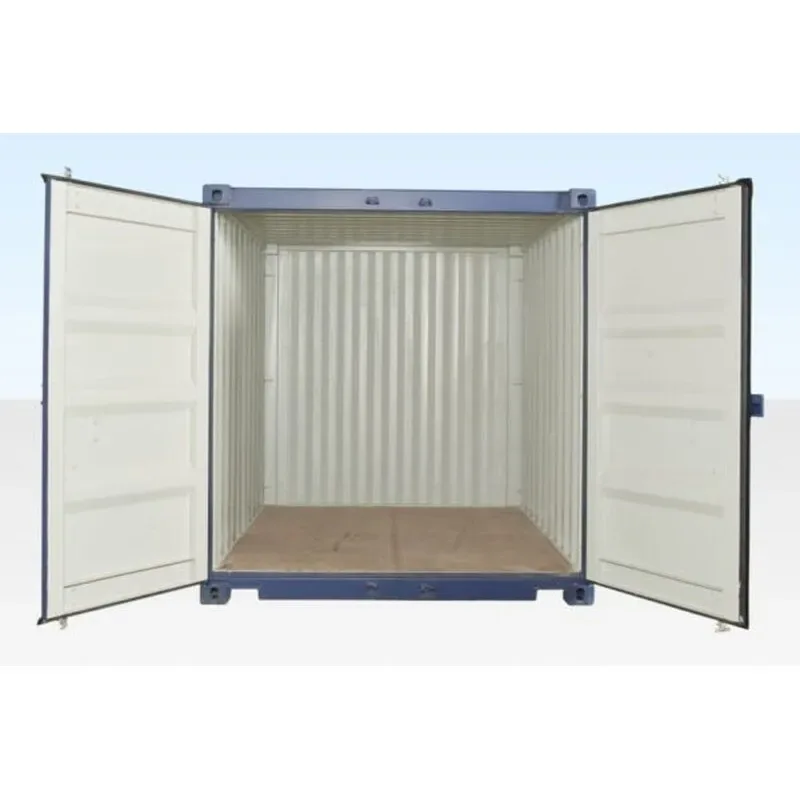
- One-trip (new). Crossed the sea once with a load and was sold on. Expect small dents, light floor scuffs and minor cosmetic marks; the shell, doors, corner castings and flooring are in near-new order. This is the longest runway, and the cleanest starting point for a conversion.
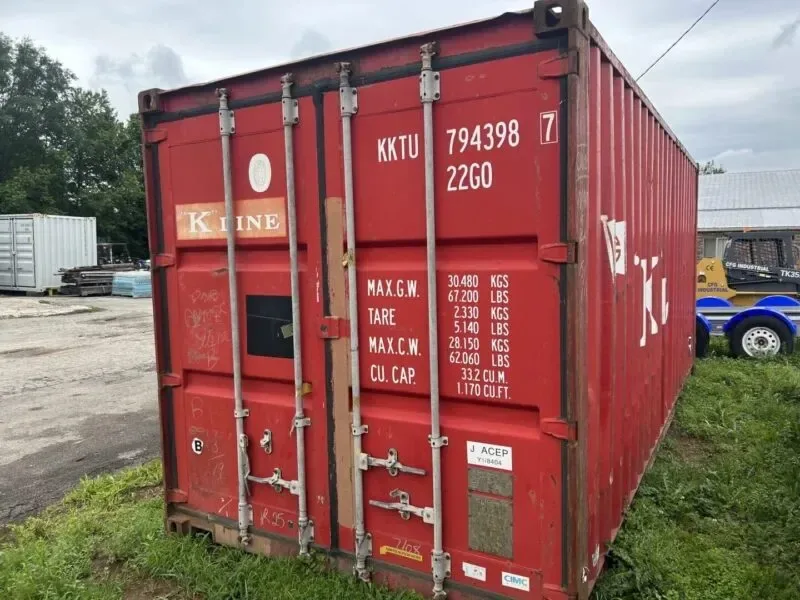
- Cargo-worthy (used). Assessed as fit to carry cargo again, so the structure and the doors are sound and the box is weather-tight. It will show honest wear: dents, surface rust, faded paint, a patched floor maybe. Plenty of working life left, and the cheapest way into a big box.
- Wind and watertight (used). The test is narrower: it keeps wind and rain out. That is all a storage box needs, and it is why the grade is the cheapest. Expect more dents, more surface rust and possibly patches. It is not the grade to buy if you plan to ship it or build a finished office inside it.
The point for lifespan: a one-trip box starts years ahead of a WWT box on the same ground with the same upkeep. What you do after delivery decides far more than which of the three you picked.
Judging a used box in ten minutes
- Walk the floor, pressing near the doors and along the walls, and feel for soft spots or delamination.
- Look along the underside crossmembers with a light. Flaking scale there is the expensive kind of rust.
- Open and shut both doors. They should swing and lock without force. Check the gasket all the way round for tears and the locking bars for bends.
- Check the corner castings and the bottom rail for heavy scale or holes.
- Get up on the roof, or have someone look, for dished panels, pinholes and standing water.
- Look for blistering paint low on the sides and around the door frame, which is rust starting under the coating.
Units at the Concord lot can be inspected by appointment, and a walk-round on your own box before you commit beats any grade label.
Buying for the long haul
If you want the longest life per dollar, buy the best shell you can afford and set it up properly. The shipping containers page lists what is on the lot now with photos and specs, and high cube containers are worth a look if you need the extra foot of inside height. For grade-by-grade guidance see the buyer's guide, and the FAQ covers delivery and site access. Ground prep is set out in more detail on the delivery page.