Used and scrapped are not the same thing
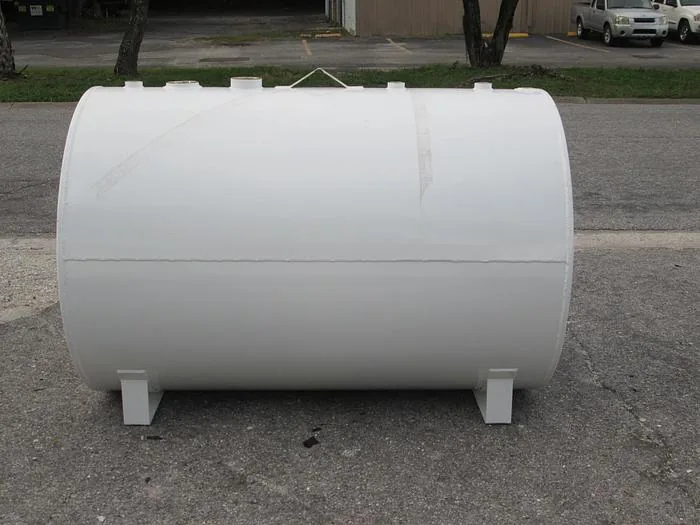
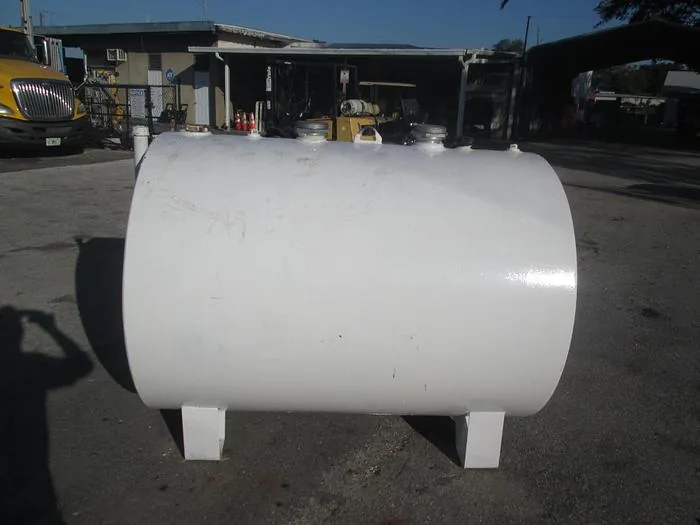
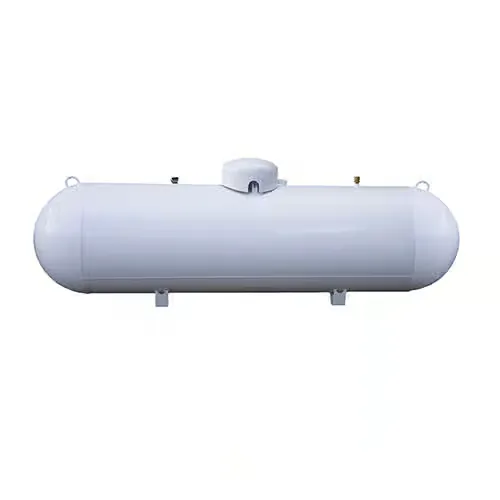
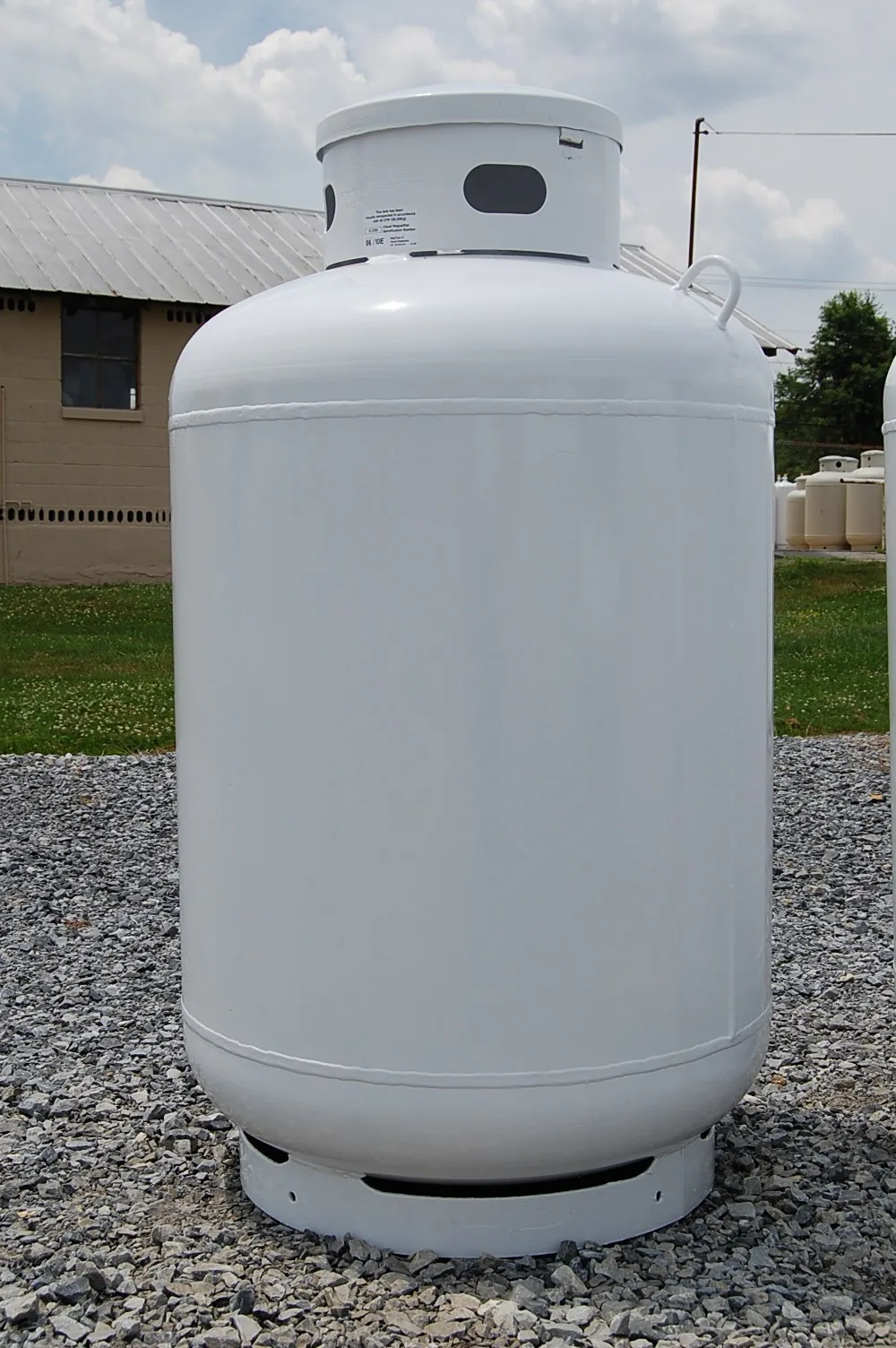
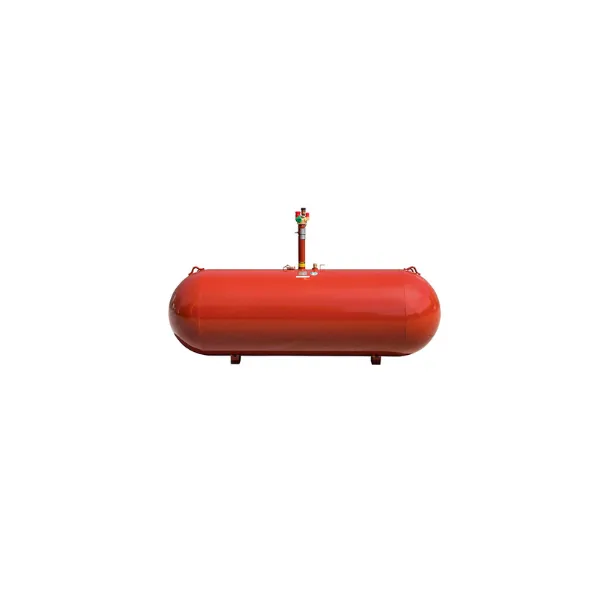
A used tank that passes inspection is a legitimate way to save money on a 250 or 500 gallon set. A scrapped tank is not a propane tank anymore — it is a steel vessel being sold for repurposing, and no licensed provider will put gas in it. On our own lot, most of the used and scrapped tanks carry a condition line that says plainly it cannot be used for propane; they are priced for smokers, grills, fire pits and yard projects. A few listings do state the tank can still be used for propane, and those are worth a closer look. If a seller cannot tell you which of the two you are buying, walk away.
The price gap between the two is the whole story. Steel sold for a fire pit and a tank headed back into service are priced differently for a reason, and a very cheap "propane tank" is usually the first kind.
What to check before you pay
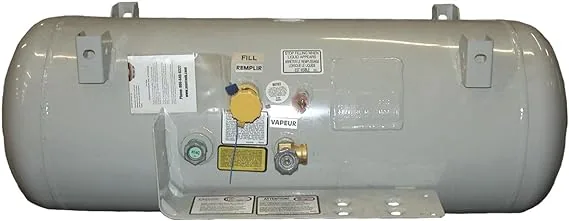
- The data plate. Every ASME tank has a nameplate welded on with the manufacturer, year built, water capacity in gallons and the maximum allowable working pressure. It should be legible and intact. A tank with a missing or ground-off plate has no paperwork behind it and no value as a pressure vessel.
- Rust, and where it is. Surface rust on the shell is normal on a tank that sat outdoors. Pitting that has eaten into the wall, flaking scale, or rust through the base ring and along the longitudinal weld seams is not. An underground tank that has been backfilled for twenty years deserves more suspicion than an above-ground one, not less.
- Dents and bowing. A dent in the shell next to a weld, or a head that has been pushed in or bowed out, is a reject regardless of how good the paint looks. Check the saddles and the foot ring too — that is where a tank sits in water and rots.
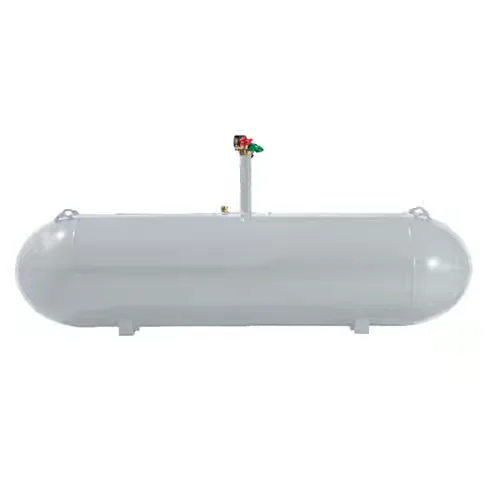
- Valves and fittings. The filler valve, service valve, relief valve, gauge and the collar that protects them. Seized stems, missing caps, or a relief valve that has been plugged or welded over are all hard stops. A tank that needs a new multivalve and regulator is not the bargain it looked like.
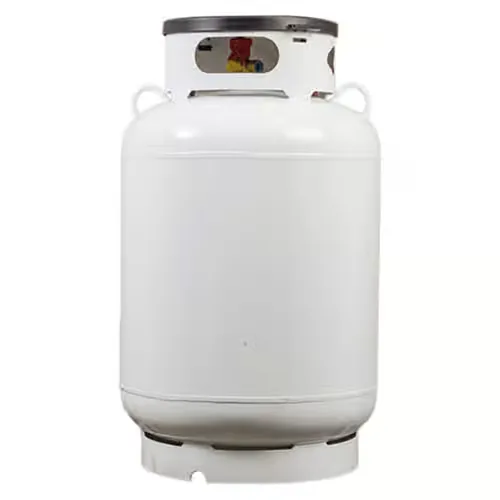
- Test dates on DOT cylinders. Cylinders are requalified on a cycle and the date is stamped on the collar. If it is out of date, it has to be requalified before anyone fills it, and that cost belongs in your comparison.
If you can visit the lot, do it. Every unit here can be inspected in person by appointment, and a used tank is the one purchase where ten minutes with a flashlight beats any photo.
Who decides whether it can be filled
Not us, and not the delivery driver. Setting, connecting and filling a tank is done by a licensed propane provider, and that provider has the final word under NFPA 58 — a tank can look fine to a buyer and still be refused at the first fill. Tanks ship empty, so nothing is under pressure when it reaches you, and the provider inspects it on site before it goes into service. Budget for that visit and treat the provider's sign-off, not the listing, as the real answer to whether the tank is safe.
What a used tank actually costs once it is set
The tank is one line on the bill. A used one often needs a new regulator, a new valve or a gauge, sometimes a recoat, plus blocking or a concrete pad and the provider's labour to set it and connect the line. Weigh that against a new ASME tank that arrives with the manufacturer's warranty in force — a used tank carries no warranty of ours. Remember the working volume too: tanks are filled to about 80% of water capacity, so a 500 gallon tank holds roughly 400 gallons of propane. Our buyer's guide covers sizing, and if you are weighing ownership against a supplier-owned tank, the buy vs lease comparison is the shorter read.
Buying a used tank from the lot
Every tank is photographed with its condition stated and priced in USD, so you know which kind you are looking at before you call. Nothing is charged on the site: you get an invoice first, pay by ACH or wire, Zelle or a card link, and the delivery figure is quoted to your ZIP and written on that invoice before anything is paid. Delivery is by flatbed or tilt-bed with a crane where the tank needs one, so the site should have firm, dry ground and room for the truck; pick-up at the lot in Concord, NC is free. Used tanks sold for repurposing that have been cut, modified or filled are excluded from change-of-mind returns, so ask before you commit. Questions on a specific unit go to the lot, or call +1 (645) 529-6321.