Start with the appliances, not the gallons
A tank does two jobs. It stores liquid, and it boils that liquid off into vapor fast enough to feed whatever is running. Gallons measure the first. The appliance list measures the second, and that is usually what decides the size.
Open the data plate on every propane appliance in the house and write down its input in BTU/hr. Then separate them into two piles:
- Runs all winter, often at the same time: furnace or boiler, water heater, range or cooktop, dryer, and any gas logs or wall heater.
- Runs hard but rarely: a standby generator, a pool or spa heater, a shop heater, a fire pit.
Add up the first pile. That total is the load the tank has to carry on a cold evening in January, and it is the number a propane provider sizes to. Generators rarely run for hours on end, but when one does start it is asking for everything at once, so it gets added in when the house has one.
Why the tank's surface area matters as much as its size
Propane boils off at the surface of the liquid, so a wider tank vaporizes more BTU/hr than a narrow one holding the same gallons. And vaporization slows down as the tank gets cold, which is exactly when the furnace is working hardest. That is why a tank that carried the house comfortably in October can fall short in a hard freeze: the load went up and the tank's ability to feed it went down.
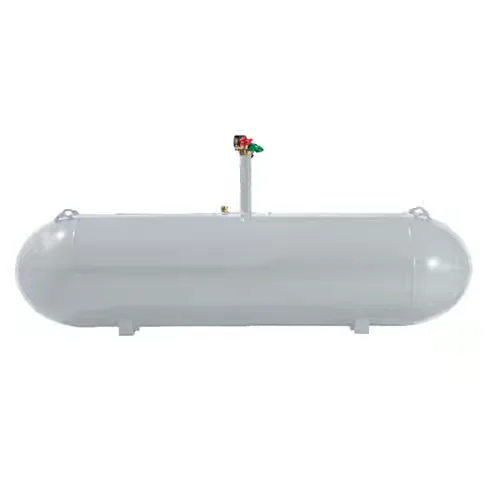
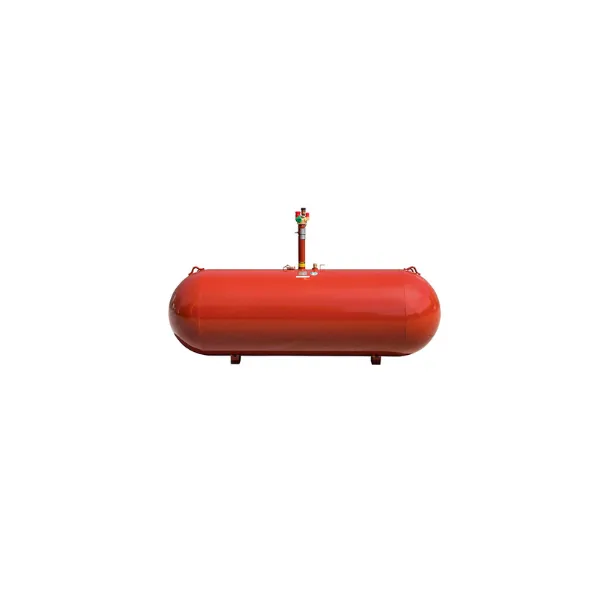
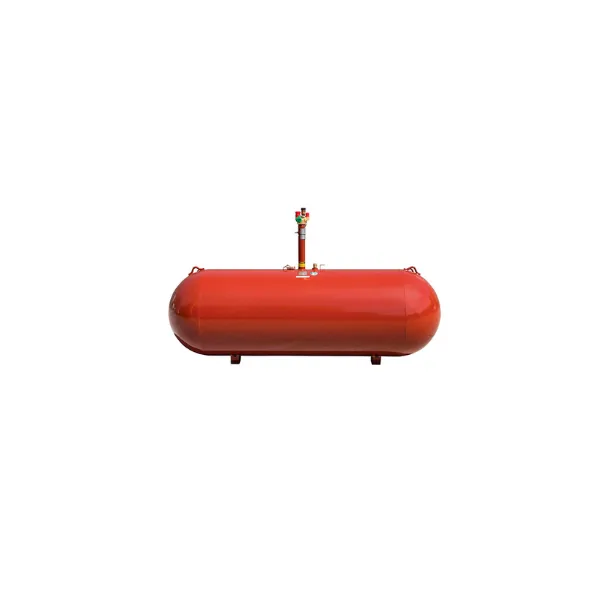
Underground tanks hold ground heat around them and keep vaporizing when an above ground tank is iced over. In a cold state that is worth real money in avoided nuisance outages. If your winters are long and hard, or you are near the limit on load, it is the cheaper fix.
Climate sets the size as much as the house does
The same house needs a bigger tank in Maine than in South Carolina. Colder design temperatures cut vaporization and raise the peak load at the same time, and a longer heating season means more gallons between fills. A house that heats with propane for six or seven months is also a house where fill frequency is worth paying to reduce.
Ask your provider for the design temperature for your county, not the city average. Sizing is done against the cold snap, not the normal week.
The 80% fill rule: what you can actually burn
Tanks are filled to about 80% of water capacity, not 100%, because the liquid has to have room to expand with temperature. So a 500 gallon tank holds roughly 400 gallons, and a 120 gallon tank holds about 96. Do the fill math on usable gallons or you will plan a winter that does not fit.
Once you know your gallons per winter, the question becomes how often you want the truck in the yard. A 500 gallon tank at 400 usable, burning 800 gallons a season, means two fills. A 1,000 gallon tank means one. That is the whole trade-off, plus the yard space.
How the sizes usually land
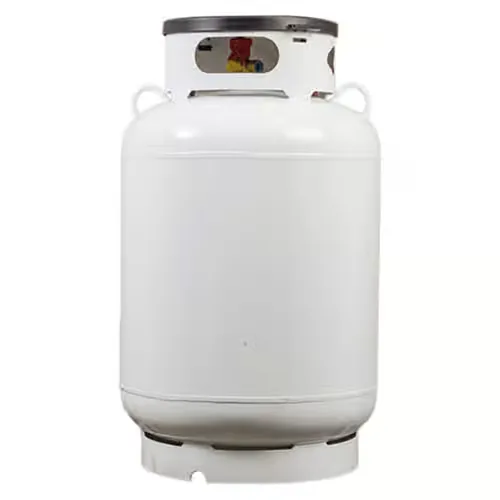
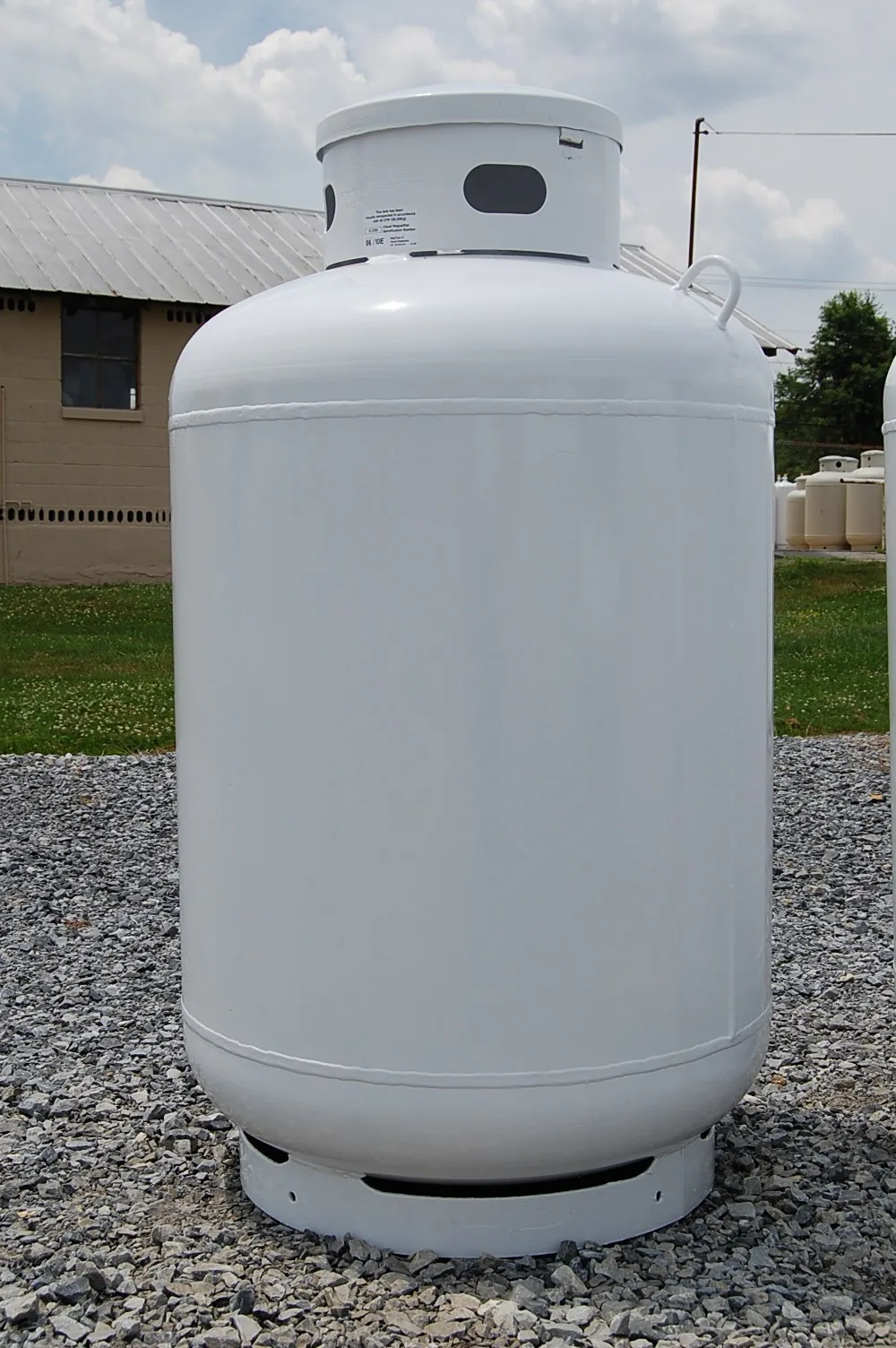
- 120 gallons: one appliance, or a small building. A cookstove, a garage or shop heater, a cabin, a food trailer, a single water heater. Not a house with a furnace.
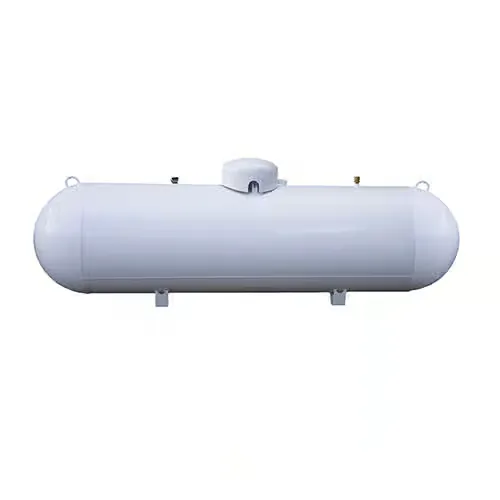
- 250 to 325 gallons: a small house, a mild-climate house, or a house where propane does hot water and cooking but not the heat. Also where a 500 will not fit the setbacks.
- 500 gallons: the common residential size. Whole house on propane - furnace, water heater, range, dryer - in a moderate climate.
- 1,000 gallons: a larger or older, looser house, more than one heating zone, a pool or spa heater, a standby generator, or a long cold winter where you would rather not see the truck often.
- 2,000 gallons: big houses, multiple buildings on one meter, or light commercial loads.
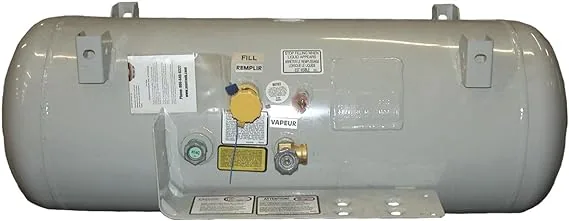
Above ground and underground versions exist in most of these. Every tank we list is priced and photographed, including 120, 250, 320, 325, 500, 1,000 and 2,000 gallon ASME tanks, above ground and buried.
The load figure is your provider's call, not a guess
Sizing is a calculation, not a rule of thumb, and it is not something to eyeball from a website. Hand a licensed propane provider your appliance list with the BTU/hr ratings, your ZIP, and last year's usage if you have it. They will come back with the peak load the tank has to vaporize at design temperature and the size that covers it with some headroom.
That same provider sets the tank, connects it, runs and tests the lines, and fills it. They also handle the parts of the job that live outside the tank: setback from the house and property lines, the pad, access for the delivery truck on fill day, and whatever permit your county or town wants. Get them involved before you buy, not after - they may want a size or a placement you had not planned for.
What you buy from us, and what happens next
Tanks ship empty. Nothing goes in the tank until your provider fills it on site.
We deliver across the contiguous US from the lot in Concord, NC. The delivery figure is quoted to your ZIP and written on the invoice before you pay anything; there is nothing charged on the website, and you can pick the tank up at the lot yourself if you are close enough. Orders are dispatched 2 to 5 business days after payment clears, and you can cancel at no cost before dispatch. Delivery and access details are on the delivery page.
If you are still weighing above ground against buried, or a tank against cylinders, the propane section of the buyer's guide goes through it. For anything else, send us the ZIP and the appliance list.